Nobel Peace Prize Awarded to Liu Xiaobo - October 12, 2010
2010 · Oslo, Norway
The Nobel Peace Prize was awarded to Liu Xiaobo for his long and non-violent struggle for fundamental human rights in China.
October 5, 2018
The Nobel Peace Prize was awarded to Denis Mukwege and Nadia Murad for their efforts to end the use of sexual violence as a weapon of war and armed conflict.
Oslo, Norway | Nobel Committee
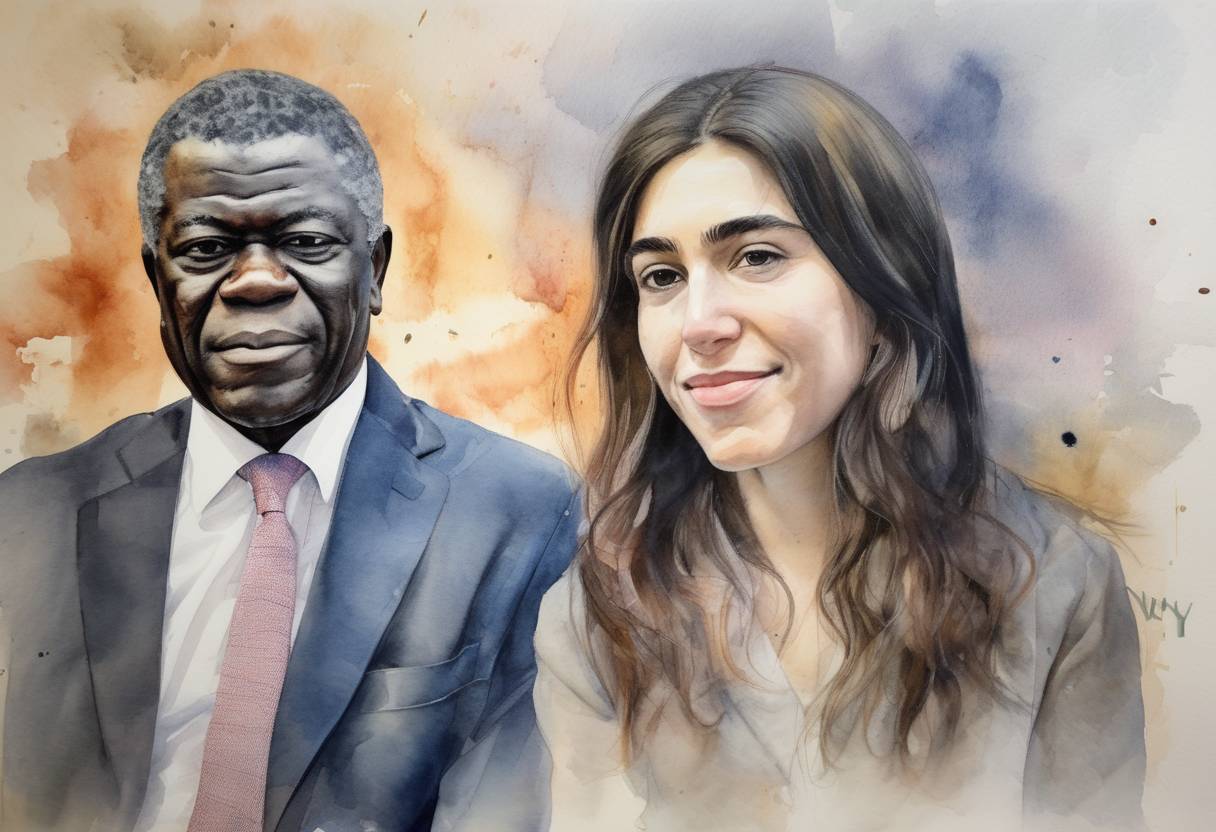
On October 5, 2018, the Nobel Peace Prize was awarded to Denis Mukwege and Nadia Murad for their courageous efforts to combat sexual violence as a weapon of war and armed conflict. This recognition highlighted the critical issue of sexual violence in conflict zones and honored the significant contributions of both laureates in advocating for victims and seeking justice.
Denis Mukwege, a Congolese gynecologist, has dedicated his life to treating women who have suffered sexual violence in the Democratic Republic of the Congo (DRC). He founded the Panzi Hospital in Bukavu in 1999, which has become a sanctuary for thousands of survivors of sexual violence. Mukwege’s work extends beyond medical treatment; he is a vocal advocate for women’s rights and has called for international action to hold perpetrators accountable. His efforts have brought global attention to the plight of women in conflict zones and the need for systemic change.
Nadia Murad, a Yazidi human rights activist from Iraq, survived abduction and sexual slavery at the hands of ISIS. After escaping captivity, she became a powerful voice for the Yazidi community and victims of sexual violence worldwide. Murad has worked tirelessly to raise awareness about the atrocities committed against the Yazidis and has advocated for the prosecution of ISIS members for war crimes. Her memoir, “The Last Girl,” details her harrowing experiences and her mission to end sexual violence in conflict.
The Nobel Committee’s decision to honor Mukwege and Murad underscored the urgent need to address sexual violence in conflicts. Their work has not only provided direct support to survivors but also challenged global leaders to take action against these crimes. The award brought increased visibility to the issue and reinforced the message that sexual violence in war is a grave violation of human rights that must be eradicated.
Sexual violence has been used as a tactic of war throughout history, often with devastating consequences for individuals and communities. The recognition of Mukwege and Murad’s efforts by the Nobel Committee marked a significant moment in the ongoing struggle to end such practices. It also highlighted the importance of survivor advocacy and the role of international institutions in addressing war crimes.
Following the award, both Mukwege and Murad continued their advocacy work, leveraging the increased attention to push for policy changes and greater support for survivors. Their recognition by the Nobel Committee has inspired further dialogue and action on the global stage, contributing to a broader movement against sexual violence in conflict.
The 2018 Nobel Peace Prize served as a powerful reminder of the resilience of survivors and the critical need for justice and accountability in the fight against sexual violence in war.
Source: www.nobelprize.org