1970 · Suva, Fiji
The Fiji Independence Act 1970 is enacted, granting Fiji independence from the United Kingdom.
November 3, 1978
Dominica gains its independence from the United Kingdom.
Roseau, Dominica | United Kingdom
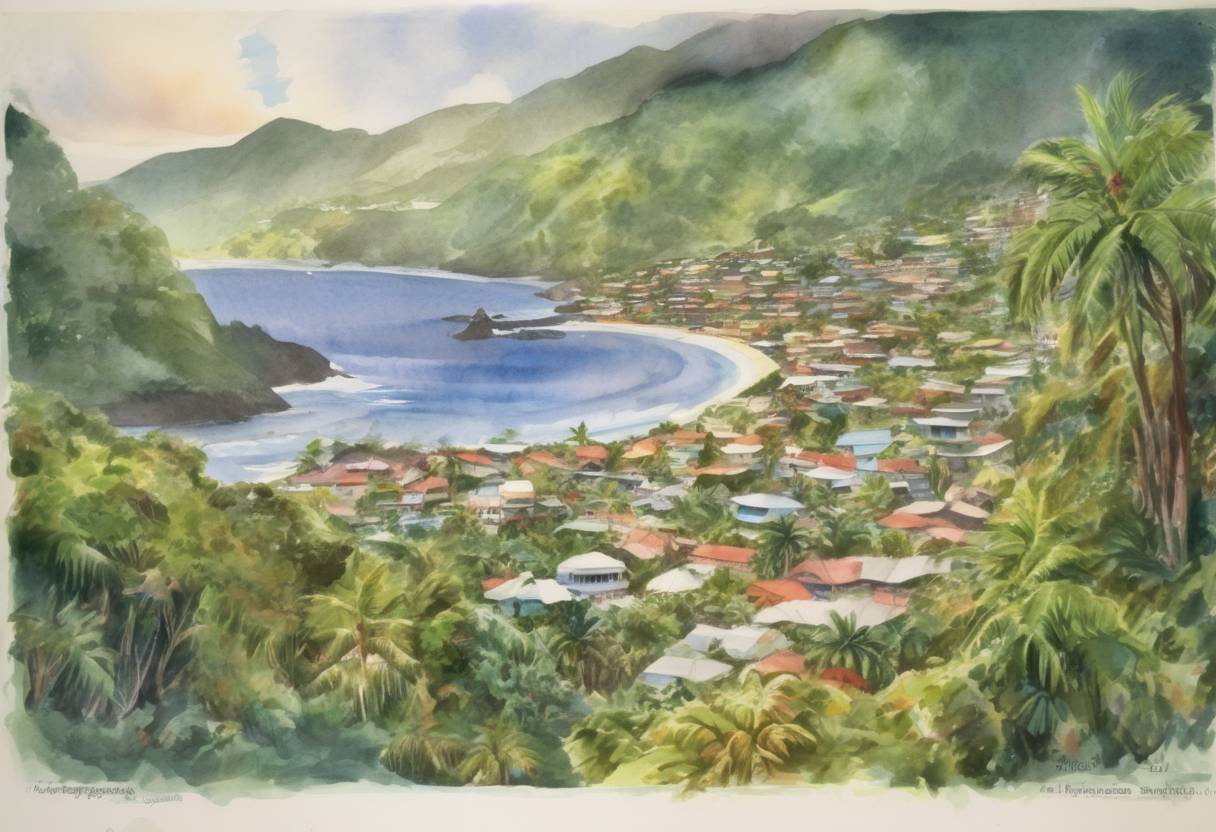
On November 3, 1978, the Caribbean island nation of Dominica achieved full independence from the United Kingdom, marking a significant milestone in its history. This event was the culmination of a long journey towards self-governance and national sovereignty.
Dominica, located in the Lesser Antilles region of the Caribbean Sea, was originally inhabited by the Kalinago people. The island was colonized by Europeans, with the French and British vying for control over the centuries. The British ultimately gained dominance, and Dominica became a British colony in 1805.
In the 20th century, the global wave of decolonization influenced Dominica’s path towards independence. The island was part of the West Indies Federation from 1958 to 1962, an attempt to create a political union among British Caribbean colonies. After the federation dissolved, Dominica became an associated state of the United Kingdom in 1967, granting it more autonomy while Britain retained control over its defense and foreign affairs.
The push for full independence gained momentum in the 1970s, driven by a growing sense of national identity and the global trend towards decolonization. The Dominica Labour Party, led by Patrick John, played a pivotal role in advocating for independence. Negotiations with the British government eventually led to an agreement on the terms of independence.
On November 3, 1978, Dominica officially became an independent nation. The day was marked by celebrations across the island, with ceremonies attended by local leaders and international representatives. Patrick John became the first Prime Minister of the newly independent Dominica.
Independence allowed Dominica to establish its own constitution and government, taking control of its domestic and foreign affairs. However, the early years of independence were challenging. The island faced political instability, economic difficulties, and natural disasters, including Hurricane David in 1979, which caused widespread devastation.
Despite these challenges, independence was a crucial step in Dominica’s development as a sovereign nation. It allowed the country to forge its own path and identity on the international stage. Today, November 3rd is celebrated annually as Dominica’s Independence Day, a national holiday commemorating the island’s journey to self-determination.
Dominica’s independence from the United Kingdom on November 3, 1978, was a landmark event that reshaped the island’s political landscape. It marked the end of colonial rule and the beginning of a new era of self-governance and national pride. The journey to independence and the subsequent challenges highlight the resilience and determination of the Dominican people in shaping their nation’s future.
Source: en.wikipedia.org