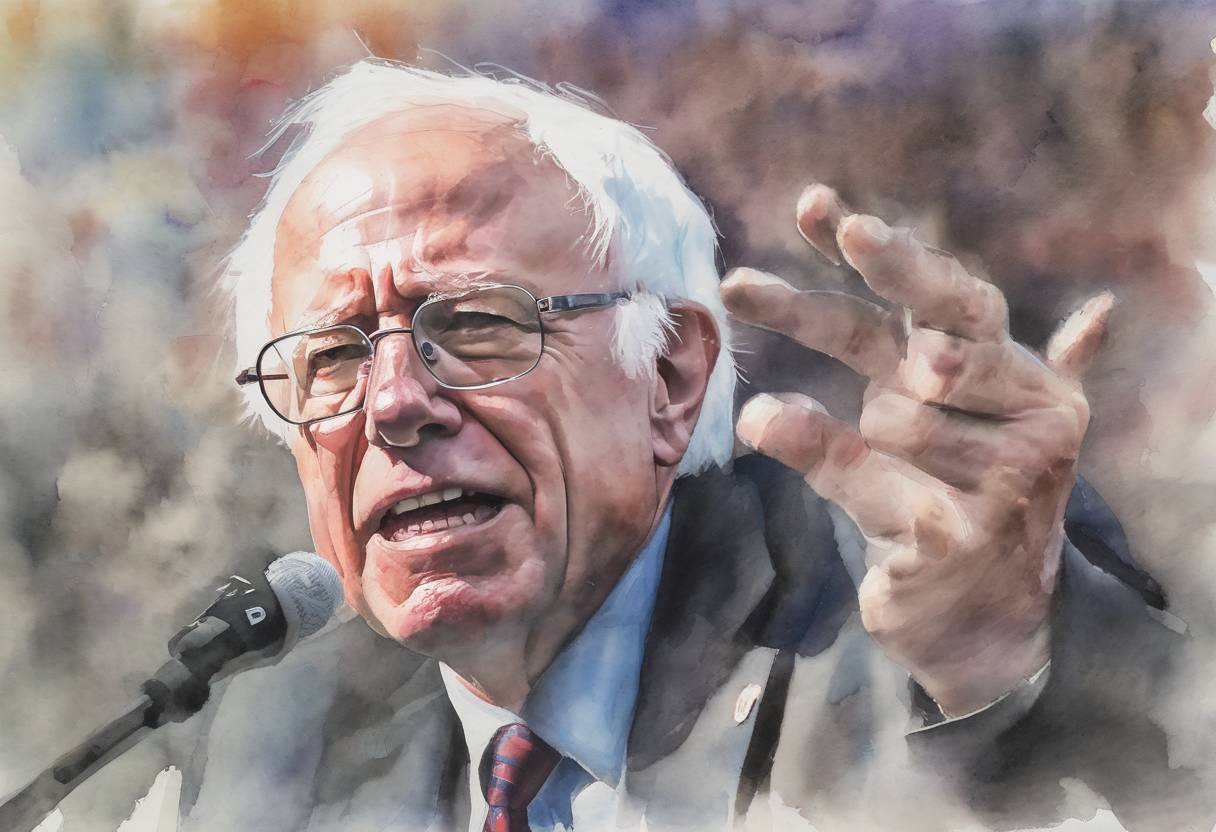
Bernie Sanders Suspends 2020 Presidential Campaign
On April 8, 2020, Senator Bernie Sanders announced the suspension of his campaign for the 2020 U.S. presidential election. This decision effectively cleared the path for former Vice President Joe Biden to become the Democratic nominee for the presidency.
Context and Background
Bernie Sanders, an Independent senator from Vermont, had been a prominent figure in American politics, known for his progressive platform advocating for policies such as Medicare for All, the Green New Deal, and tuition-free public college. Sanders had previously run for the Democratic nomination in 2016, where he emerged as a significant challenger to Hillary Clinton.
In the 2020 race, Sanders once again positioned himself as a leading progressive voice, drawing substantial support from young voters and grassroots activists. His campaign focused on issues of economic inequality, healthcare reform, and climate change.
Key Events Leading to the Suspension
Early Successes: Sanders showed strong performance in early primary contests, winning the popular vote in Iowa, and securing victories in New Hampshire and Nevada. These successes positioned him as a frontrunner in the crowded Democratic field.
Super Tuesday Setback: On March 3, 2020, Super Tuesday, Joe Biden gained significant momentum by winning key states, including Texas and Virginia. Biden’s victories were bolstered by endorsements from former candidates such as Pete Buttigieg and Amy Klobuchar, who had exited the race and rallied behind him.
COVID-19 Pandemic: The onset of the COVID-19 pandemic in the United States shifted the focus of the election. The crisis underscored the importance of leadership and stability, factors that played into Biden’s appeal as a seasoned political figure.
Delegate Count: By early April, Biden had amassed a substantial lead in the delegate count, making it increasingly difficult for Sanders to secure the nomination.
The Announcement
On April 8, 2020, Sanders addressed his supporters in a live-streamed speech, acknowledging that the path to victory was “virtually impossible.” He expressed gratitude to his supporters and emphasized the importance of continuing the fight for progressive causes. Sanders’ decision to suspend his campaign was seen as a strategic move to unify the Democratic Party against the incumbent president, Donald Trump.
Aftermath and Significance
Endorsement of Joe Biden: Following the suspension, Sanders endorsed Joe Biden, urging his supporters to rally behind the Democratic nominee to defeat Trump in the general election.
Impact on the Democratic Party: Sanders’ campaign had a lasting impact on the Democratic Party, pushing it towards more progressive policies. His influence was evident in the party’s platform and in Biden’s policy proposals, which incorporated elements of Sanders’ agenda.
2020 Election Outcome: Joe Biden went on to win the 2020 presidential election, defeating Donald Trump and becoming the 46th President of the United States.
Sanders’ suspension marked a pivotal moment in the 2020 election cycle, highlighting the dynamics within the Democratic Party and setting the stage for the general election battle against Trump.