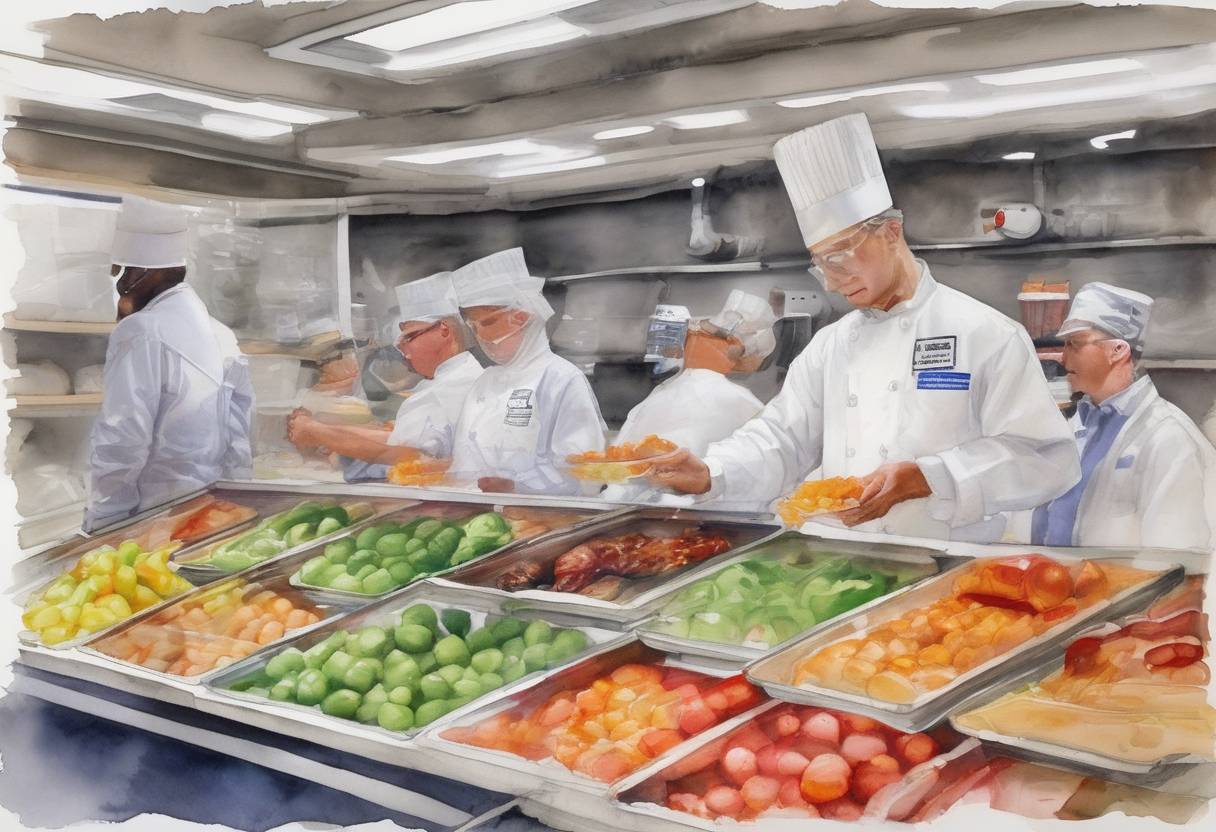
The Food Safety Modernization Act: Senate Passage on November 19, 2010
On November 19, 2010, the United States Senate passed the Food Safety Modernization Act (FSMA), marking a significant shift in the country’s approach to food safety. This legislation aimed to enhance the safety of the U.S. food supply by transitioning from a reactive to a preventive strategy in dealing with food contamination.
Background
Before the FSMA, the U.S. food safety system primarily focused on responding to contamination incidents after they occurred. However, several high-profile foodborne illness outbreaks in the early 2000s, including those involving spinach, peanuts, and eggs, highlighted the need for a more proactive approach to food safety.
Key Provisions of the FSMA
The FSMA introduced several critical measures designed to prevent food safety issues before they arise:
Preventive Controls: Food facilities are required to implement written preventive control plans, identifying potential hazards and outlining steps to address them.
Inspection and Compliance: The Act increased the frequency of inspections for food facilities, particularly those deemed high-risk, to ensure compliance with safety standards.
Imported Food Safety: The FSMA established stricter oversight of imported foods, requiring importers to verify that their foreign suppliers meet U.S. safety standards.
Response: The Act granted the Food and Drug Administration (FDA) the authority to mandate recalls of contaminated food products, enhancing the agency’s ability to respond swiftly to food safety issues.
Enhanced Partnerships: The FSMA encouraged collaboration between federal, state, local, and foreign agencies to improve food safety practices and standards.
Passage and Significance
The Senate’s passage of the FSMA was a crucial step in overhauling the U.S. food safety system. The bill received bipartisan support, reflecting a shared recognition of the importance of safeguarding the nation’s food supply. The House of Representatives had already passed a version of the bill in 2009, and the Senate’s approval paved the way for final reconciliation and enactment.
Aftermath and Impact
The FSMA was signed into law by President Barack Obama on January 4, 2011. Its implementation marked a transformative period for food safety in the United States, with the FDA taking on a more proactive role in preventing foodborne illnesses. The Act’s emphasis on prevention, accountability, and collaboration has had a lasting impact on how food safety is managed, contributing to a more robust and reliable food supply chain.
Overall, the passage of the Food Safety Modernization Act represented a significant advancement in public health policy, aiming to protect consumers and enhance confidence in the safety of the food they consume.