Founding of the Legion of Honour
1802 · Paris, France
Napoleon Bonaparte founded the Legion of Honour, the highest French order of merit for military and civil merits.
August 24, 1931
France and the Soviet Union sign a treaty of non-aggression.
Paris, France | French government
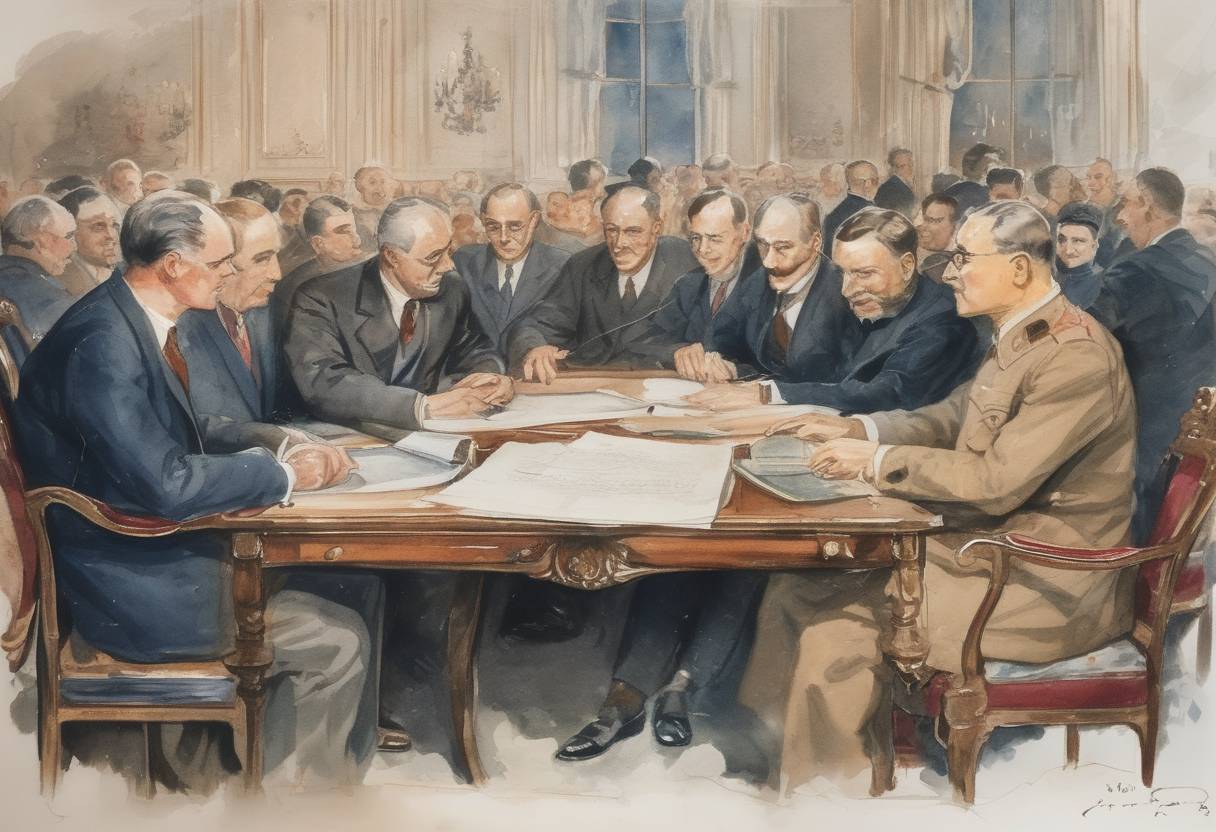
On August 24, 1931, France and the Soviet Union signed a treaty of non-aggression, marking a significant moment in the interwar period’s complex diplomatic landscape. This treaty was part of a broader effort by European nations to stabilize international relations and prevent the outbreak of future conflicts following the devastation of World War I.
Post-World War I Tensions: The aftermath of World War I left Europe in a state of political and economic instability. The Treaty of Versailles and other peace agreements had redrawn national boundaries and imposed significant reparations, particularly on Germany, leading to widespread dissatisfaction and unrest.
Rise of the Soviet Union: Following the Russian Revolution of 1917 and the subsequent civil war, the Soviet Union emerged as a new political entity. Its communist ideology and expansionist policies were viewed with suspicion by many Western nations, including France.
French Foreign Policy: France, seeking to secure its borders and prevent another German resurgence, pursued alliances and treaties to bolster its security. The French government was also interested in containing the spread of communism.
Non-Aggression Pact: The treaty stipulated that both France and the Soviet Union would refrain from any acts of aggression against each other. This was intended to reduce the likelihood of conflict between the two nations and contribute to broader European stability.
Diplomatic Relations: The agreement also aimed to improve diplomatic relations between France and the Soviet Union, which had been strained due to ideological differences and mutual distrust.
Stabilizing Effect: The treaty was part of a series of non-aggression pacts signed by the Soviet Union with various European countries during this period. These agreements were intended to secure the Soviet Union’s western borders and reduce the risk of a two-front war.
Impact on European Diplomacy: While the treaty did not eliminate tensions between communist and capitalist states, it represented a pragmatic approach to diplomacy, acknowledging the need for peaceful coexistence despite ideological differences.
Prelude to Future Alliances: Although the treaty was a step towards stabilizing relations, the geopolitical landscape of Europe continued to evolve rapidly. The rise of Nazi Germany and the eventual outbreak of World War II would later test the durability of such agreements.
In summary, the non-aggression treaty between France and the Soviet Union on August 24, 1931, was a strategic move by both nations to secure their interests and contribute to a more stable European order. It reflected the complex interplay of diplomacy, ideology, and security concerns that characterized the interwar period.
Source: en.wikipedia.org