Execution of the Girondists: October 31, 1793
1793 · Paris, France
Execution of the Girondists: Twenty-one leaders of the Girondin political faction are executed during the French Revolution.
October 16, 1793
Marie Antoinette, the former Queen of France, is executed by guillotine in Paris during the French Revolution.
Paris, France | Revolutionary Tribunal
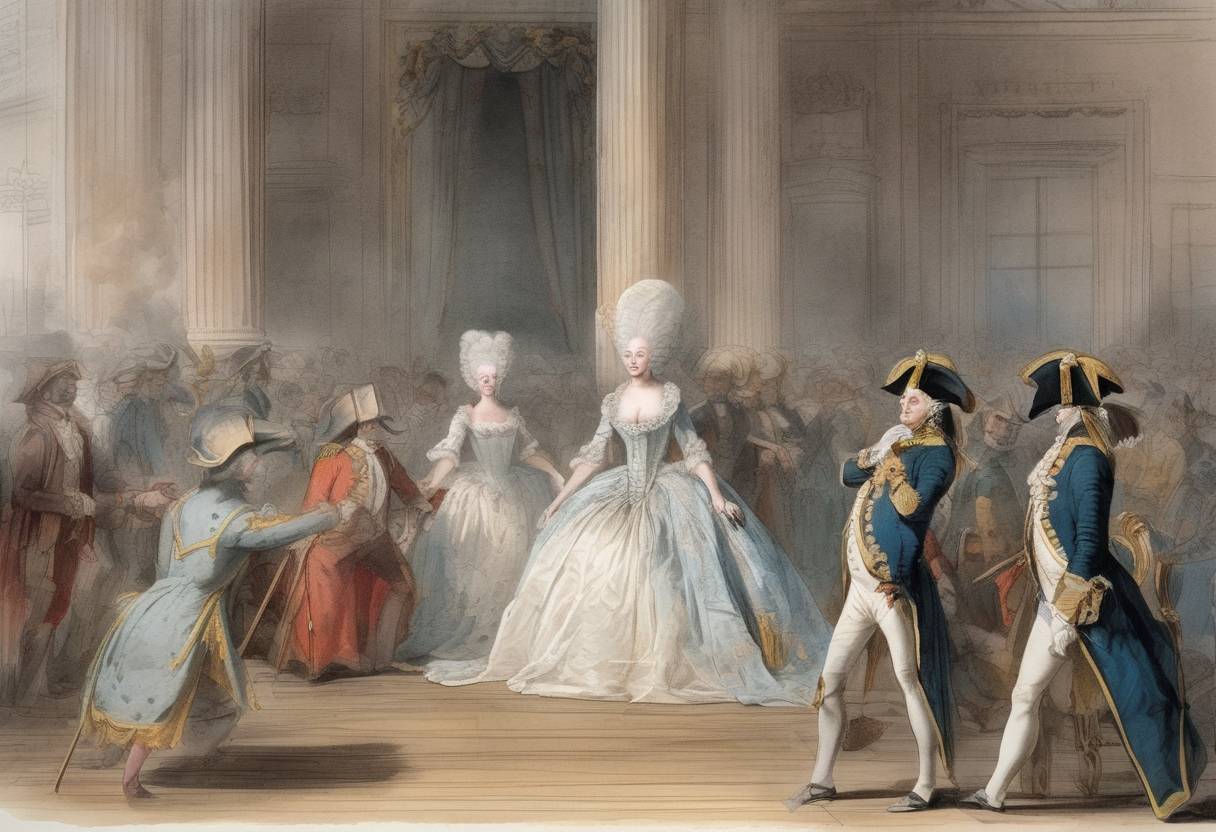
On October 16, 1793, Marie Antoinette, the former Queen of France, was executed by guillotine in Paris, marking a significant moment in the French Revolution. Her death symbolized the fall of the French monarchy and the radical shift towards republicanism.
Marie Antoinette was born on November 2, 1755, in Vienna, Austria, as the Archduchess of Austria. She was the daughter of Empress Maria Theresa and Emperor Francis I. In 1770, she married Louis-Auguste, the Dauphin of France, who later became King Louis XVI. Her marriage was intended to solidify the alliance between Austria and France.
As queen, Marie Antoinette became a controversial figure. Her extravagant lifestyle and perceived indifference to the plight of the French people earned her the nickname “Madame Déficit.” The financial crisis in France, partly attributed to her spending, fueled public discontent.
The French Revolution began in 1789, driven by widespread discontent with the monarchy, economic hardship, and a desire for political reform. The royal family was forced to move from Versailles to the Tuileries Palace in Paris, effectively placing them under the control of the revolutionary government.
In 1791, the royal family attempted to flee France in the Flight to Varennes, but they were captured and returned to Paris. This event further eroded their credibility and support.
Following the abolition of the monarchy in 1792 and the execution of Louis XVI in January 1793, Marie Antoinette was imprisoned in the Temple prison. Her trial began on October 14, 1793, before the Revolutionary Tribunal. She faced charges of treason, depleting the national treasury, and conspiracy against the state. The trial was swift, and the outcome was largely predetermined.
Marie Antoinette was found guilty and sentenced to death. On the morning of October 16, she was transported to the Place de la Révolution (now Place de la Concorde) in an open cart, a stark contrast to the carriage used for her husband’s execution. She maintained her composure throughout the journey.
Marie Antoinette’s execution marked the end of an era and underscored the radical changes sweeping through France. Her death, along with that of Louis XVI, symbolized the collapse of the ancien régime and the rise of revolutionary ideals. The execution also highlighted the intense class struggles and the demand for equality and justice that characterized the Revolution.
Marie Antoinette remains a complex and polarizing figure in history. Her life and death continue to be subjects of fascination, representing both the excesses of the monarchy and the tumultuous period of the French Revolution.
Source: en.wikipedia.org