The First All-Talking Motion Picture: "Lights of New York"
1928 · New York, United States
The first all-talking motion picture, Lights of New York, is shown in New York City.
October 6, 1927
The Jazz Singer, the first feature-length motion picture with synchronized dialogue sequences, premiered in New York City. This film marked the beginning of the sound era in cinema.
New York City, United States | Warner Bros.
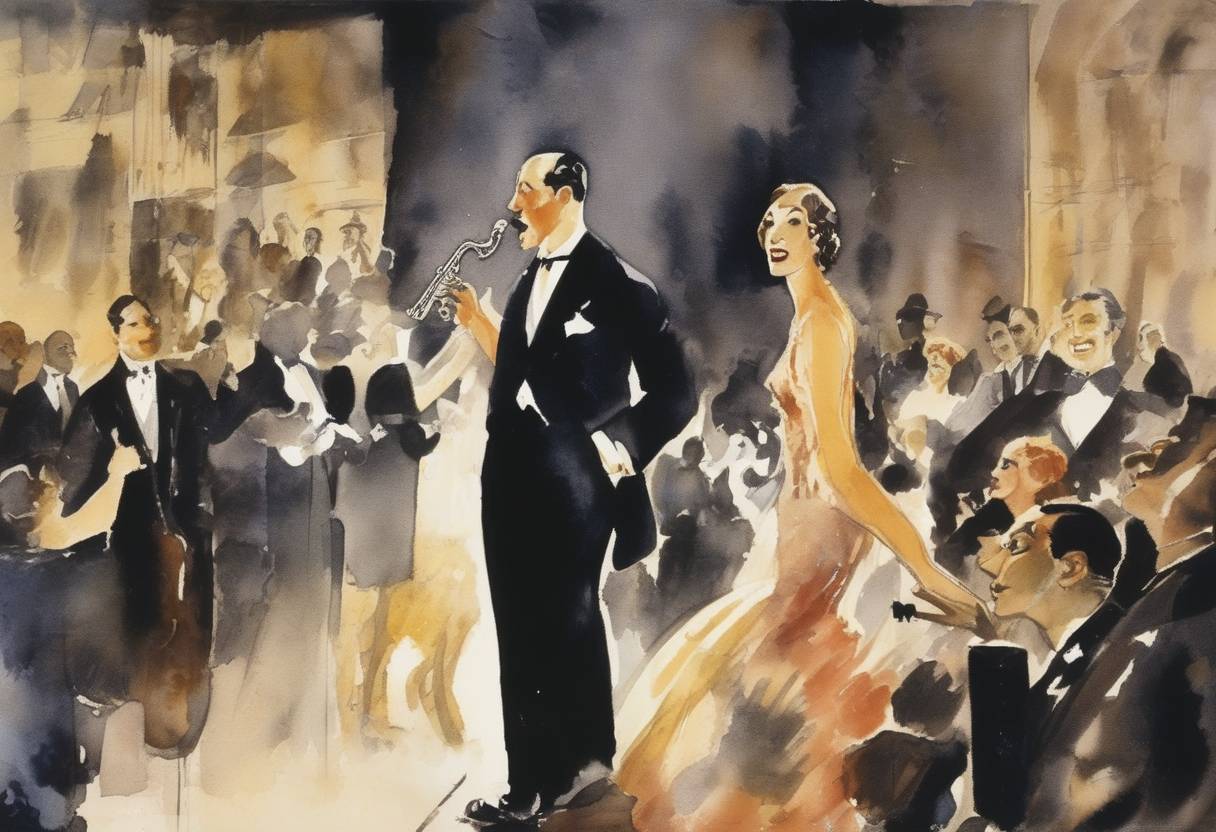
On October 6, 1927, The Jazz Singer premiered at Warner Bros.’ flagship theater, the Warner Theatre, in New York City. This event marked a pivotal moment in cinematic history, heralding the dawn of the sound era in film.
Before The Jazz Singer, films were silent, often accompanied by live music and intertitles to convey dialogue and narrative. The transition to “talkies” was a significant technological and cultural shift. Warner Bros., a relatively small studio at the time, took a bold step by investing in the Vitaphone sound-on-disc system, which synchronized recorded sound with film.
The Jazz Singer was directed by Alan Crosland and starred Al Jolson, a popular vaudeville performer known for his dynamic stage presence and vocal talent. The film is an adaptation of a play by Samson Raphaelson and tells the story of Jakie Rabinowitz, a young man who defies his devout Jewish family’s traditions to pursue a career in music.
Following the success of The Jazz Singer, the film industry underwent a rapid transformation. By the end of the 1920s, silent films were largely obsolete, and “talkies” became the new standard. This transition also led to changes in acting styles, set design, and audience expectations, reshaping the landscape of cinema.
The Jazz Singer remains a landmark in film history, symbolizing the end of the silent film era and the beginning of a new age of sound in cinema.
Source: en.wikipedia.org