October 26, 2015

A magnitude 7.5 earthquake struck the Hindu Kush region in Afghanistan, causing significant damage and resulting in over 300 deaths across Afghanistan, Pakistan, and India.


Hindu Kush, Afghanistan | United States Geological Survey
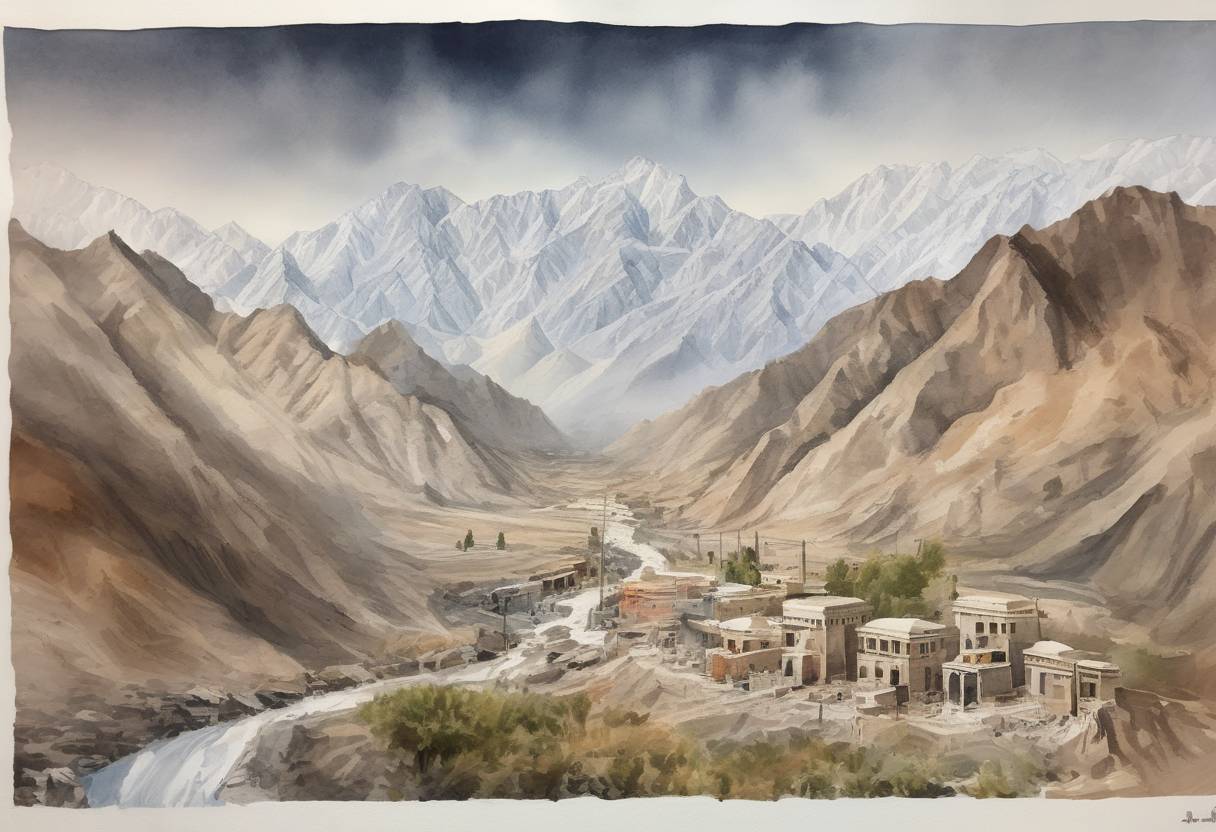
Watercolor painting based depiction of A magnitude 7.5 earthquake struck the Hindu Kush region in Afghanistan, causing significant damage and resulting in over 300 deaths across Afghanistan, Pakistan, and India. (2015)

Earthquake in the Hindu Kush Region - October 26, 2015

On October 26, 2015, a powerful earthquake with a magnitude of 7.5 struck the Hindu Kush region in Afghanistan. This seismic event had widespread repercussions, affecting not only Afghanistan but also neighboring countries, including Pakistan and India. The earthquake resulted in significant damage and loss of life, with over 300 fatalities reported across the affected areas.

Geographical and Geological Context

The Hindu Kush region is known for its seismic activity due to its location at the convergence of the Indian and Eurasian tectonic plates. This area is part of the broader Himalayan seismic belt, which is prone to earthquakes due to the ongoing collision between these two major plates.

Key Details of the Earthquake

  • Date and Time: The earthquake occurred on October 26, 2015, at approximately 13:39 local time.
  • Magnitude: The earthquake registered a magnitude of 7.5.
  • Epicenter: The epicenter was located in the mountainous region of the Hindu Kush, approximately 213 kilometers (132 miles) deep, which is relatively deep for an earthquake of this magnitude.

Impact and Damage

Afghanistan

  • Casualties: Afghanistan reported significant casualties, with numerous deaths and injuries. The remote and mountainous terrain complicated rescue and relief efforts.
  • Infrastructure: Many buildings, particularly in rural areas, were not constructed to withstand such strong seismic activity, leading to widespread structural damage.

Pakistan

  • Casualties: Pakistan experienced the highest number of casualties, with over 200 deaths reported. The Khyber Pakhtunkhwa province was particularly hard-hit.
  • Damage: The earthquake caused extensive damage to infrastructure, including homes, schools, and roads. Landslides triggered by the quake further hampered rescue operations.

India

  • Casualties: In India, the earthquake was felt across northern regions, including Jammu and Kashmir. While the death toll was lower compared to Afghanistan and Pakistan, several fatalities and injuries were reported.
  • Infrastructure: Some structural damage occurred, but it was less severe than in the other affected countries.

Aftermath and Response

  • Rescue Operations: The immediate aftermath saw a concerted effort from local and international agencies to provide aid and support. The challenging terrain and aftershocks complicated these efforts.
  • International Aid: Various countries and international organizations offered assistance, including financial aid, medical supplies, and personnel to support rescue and recovery operations.

Broader Historical Significance

This earthquake highlighted the vulnerability of the Hindu Kush region to seismic events and underscored the need for improved infrastructure and emergency preparedness in the affected countries. It also demonstrated the importance of regional cooperation in disaster response and recovery efforts.

The 2015 Hindu Kush earthquake serves as a reminder of the ongoing geological activity in the region and the potential for future seismic events, emphasizing the need for continued vigilance and preparedness.