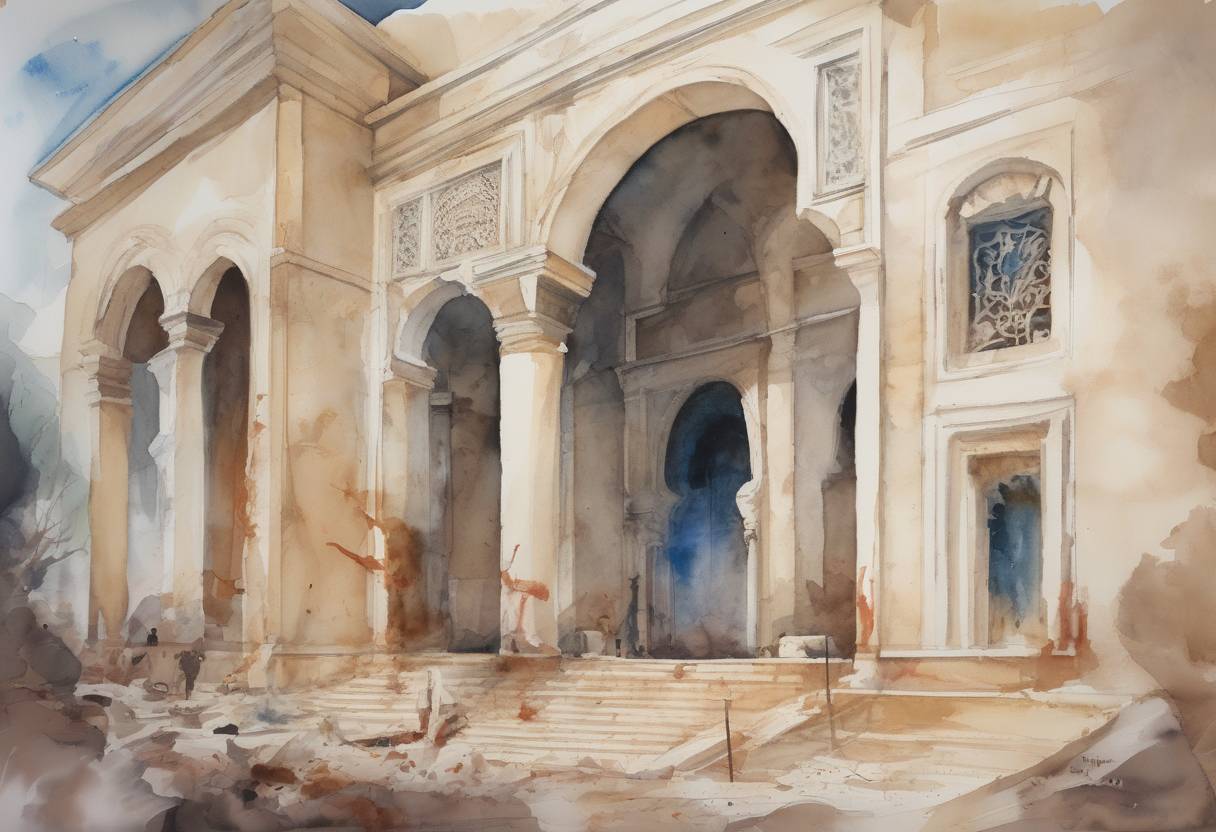
Bardo National Museum Attack - March 18, 2015
On March 18, 2015, a tragic terrorist attack occurred at the Bardo National Museum in Tunis, Tunisia, resulting in the deaths of 22 individuals, including 20 foreign tourists. This attack was a stark reminder of the persistent threat of terrorism in North Africa and was claimed by the Islamic State group.
Context and Background
The Bardo National Museum is one of Tunisia’s most significant cultural institutions, renowned for its extensive collection of Roman mosaics and artifacts. Tunisia, a country that had been relatively stable compared to its neighbors, was still grappling with the aftermath of the Arab Spring and the challenges of transitioning to a democratic government. Despite these efforts, the region remained vulnerable to extremist influences and attacks.
The Attack
- Date and Time: The attack took place on the morning of March 18, 2015.
- Location: The Bardo National Museum, located near the Tunisian Parliament in the capital city of Tunis.
- Perpetrators: The attack was carried out by two gunmen, later identified as Yassine Labidi and Saber Khachnaoui.
- Casualties: 22 people were killed, including 20 foreign tourists from countries such as Italy, Japan, France, Spain, and Colombia. Additionally, over 50 people were injured in the attack.
- Response: Tunisian security forces responded to the attack, eventually killing the two gunmen and securing the museum.
Claim of Responsibility
The Islamic State group claimed responsibility for the attack, marking it as part of their broader campaign to destabilize the region and target Western interests. The attack was intended to undermine Tunisia’s tourism industry, a vital component of the country’s economy.
Aftermath and Consequences
- National and International Reactions: The attack was widely condemned both within Tunisia and internationally. It prompted a global outpouring of support for Tunisia and its efforts to combat terrorism.
- Security Measures: In response, the Tunisian government increased security measures, particularly around tourist sites and public spaces, to prevent future attacks.
- Impact on Tourism: The attack had a significant negative impact on Tunisia’s tourism industry, leading to a decline in tourist arrivals and affecting the country’s economy.
- Broader Implications: The attack highlighted the ongoing threat of terrorism in North Africa and underscored the challenges faced by countries in the region in maintaining security and stability amidst extremist threats.
The Bardo National Museum attack remains a poignant reminder of the global reach of terrorism and the importance of international cooperation in combating such threats.