Execution of Ten Nazi War Criminals: October 16, 1946
1946 · Nuremberg, Germany
Ten Nazi war criminals are executed in Nuremberg following the Nuremberg Trials, marking a significant moment in post-World War II justice.
November 20, 1945
The Nuremberg Trials began, marking the first time in history that an international tribunal was used to prosecute war crimes. Twenty-four high-ranking Nazi officials were put on trial for crimes against humanity, war crimes, and other offenses committed during World War II.
Nuremberg, Germany | International Military Tribunal
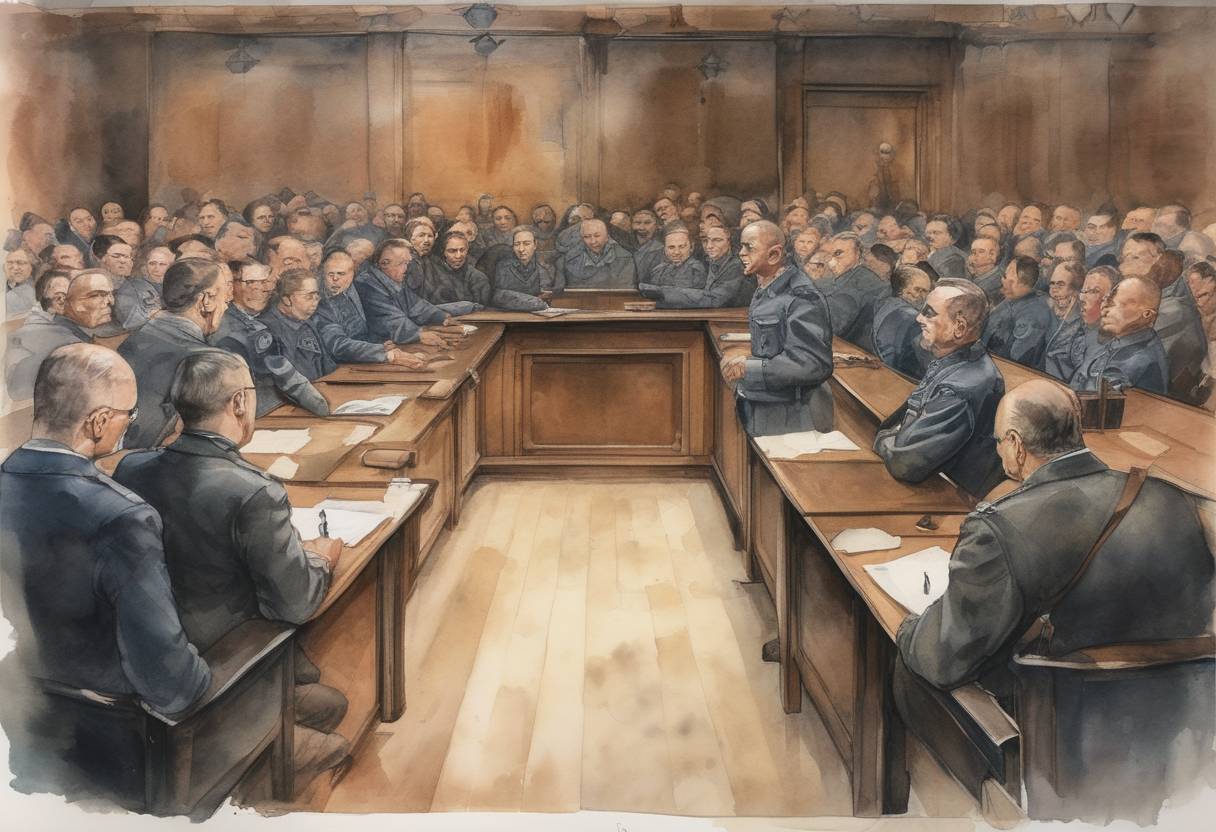
On November 20, 1945, the Nuremberg Trials commenced, marking a pivotal moment in international law and justice. These trials were the first of their kind, establishing an international tribunal to prosecute major war criminals of World War II. Held in the city of Nuremberg, Germany, the trials sought to bring justice for the atrocities committed by the Nazi regime.
The end of World War II in 1945 left Europe devastated and the world grappling with the horrors of the Holocaust and other war crimes. The Allied powers—comprising the United States, the Soviet Union, the United Kingdom, and France—agreed on the necessity of holding Nazi leaders accountable for their actions. The Nuremberg Trials were established to prosecute individuals for crimes against humanity, war crimes, and other offenses.
The International Military Tribunal (IMT) was formed to conduct the trials. It was composed of judges from the four Allied nations. The legal framework for the trials was outlined in the London Charter of the International Military Tribunal, which defined the categories of crimes:
Twenty-four high-ranking Nazi officials were indicted, including:
These individuals were charged with various crimes, reflecting their roles in the Nazi regime’s criminal activities.
The trials were conducted in Courtroom 600 of the Palace of Justice in Nuremberg. They lasted from November 20, 1945, to October 1, 1946. The prosecution presented extensive evidence, including documents, testimonies, and film footage, to demonstrate the defendants’ culpability.
The verdicts were delivered on October 1, 1946:
The Nuremberg Trials set a precedent for international law and the prosecution of war crimes. They established the principle that individuals, including state leaders, could be held accountable for crimes against humanity. The trials also contributed to the development of subsequent international legal frameworks, such as the Geneva Conventions and the establishment of the International Criminal Court.
The Nuremberg Trials remain a landmark in the pursuit of justice and the fight against impunity for war crimes and crimes against humanity. They underscored the importance of legal accountability and the protection of human rights on a global scale.
Source: www.history.com