Reunification of Vietnam: July 2, 1976
1976 · Hanoi, Vietnam
North and South Vietnam, divided since 1954, reunite to form the Socialist Republic of Vietnam.
October 13, 1990
Le Duc Tho, a Vietnamese revolutionary, diplomat, and politician, passed away. He was awarded the Nobel Peace Prize in 1973, which he declined.
Hanoi, Vietnam | Vietnamese government
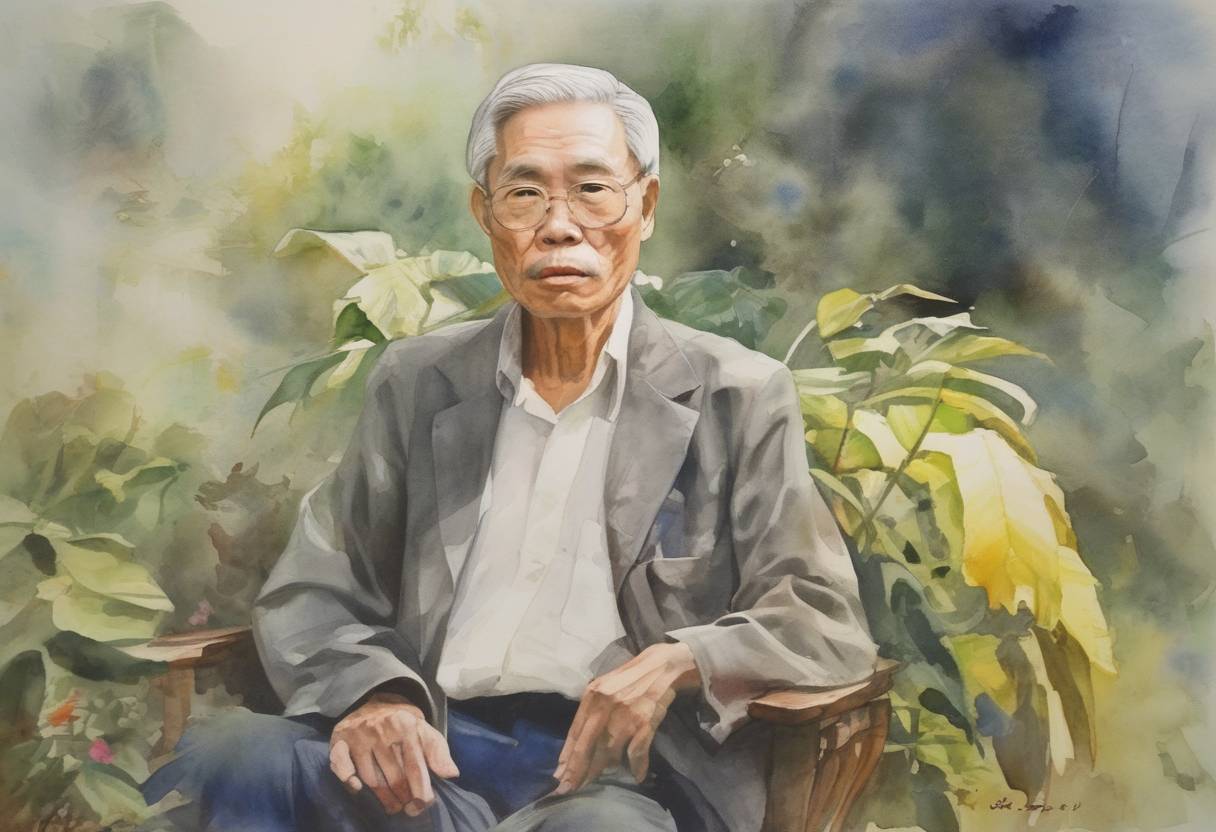
Le Duc Tho, a prominent Vietnamese revolutionary, diplomat, and politician, passed away on October 13, 1990. He is notably remembered for his role in the Vietnam War peace negotiations and his unique decision to decline the Nobel Peace Prize.
Le Duc Tho was born on October 14, 1911, in Nam Dinh Province, French Indochina. He became involved in revolutionary activities at a young age, joining the Indochinese Communist Party in 1930. His early political activities led to multiple imprisonments by French colonial authorities. Despite these setbacks, Tho remained a committed revolutionary, playing a significant role in the struggle for Vietnamese independence.
During the Vietnam War, Le Duc Tho emerged as a key figure in the North Vietnamese government. He was a senior member of the Politburo of the Communist Party of Vietnam and was deeply involved in the strategic planning and execution of the war effort against South Vietnam and its allies, including the United States.
Le Duc Tho’s most notable diplomatic achievement came during the Paris Peace Accords, where he served as the chief negotiator for North Vietnam. The negotiations, which took place from 1968 to 1973, were aimed at ending the Vietnam War. Tho’s counterpart was U.S. National Security Advisor Henry Kissinger.
In 1973, both Tho and Kissinger were awarded the Nobel Peace Prize for their efforts in negotiating a ceasefire and the eventual withdrawal of American troops from Vietnam. However, Le Duc Tho declined the award, citing the ongoing conflict and lack of true peace in Vietnam as his reasons. He remains the only person to have voluntarily declined the Nobel Peace Prize.
After the war, Le Duc Tho continued to hold influential positions within the Vietnamese government, contributing to the country’s post-war reconstruction and political consolidation. He retired from active politics in the late 1980s.
Le Duc Tho passed away on October 13, 1990, in Hanoi, Vietnam. His legacy is complex, reflecting both his commitment to Vietnamese independence and the contentious nature of the Vietnam War. His decision to decline the Nobel Peace Prize underscores his belief in the importance of genuine peace and reconciliation.
Le Duc Tho’s life and work remain significant in the study of Vietnam’s modern history, illustrating the challenges and complexities of diplomatic negotiations during one of the 20th century’s most protracted conflicts.
Source: en.wikipedia.org