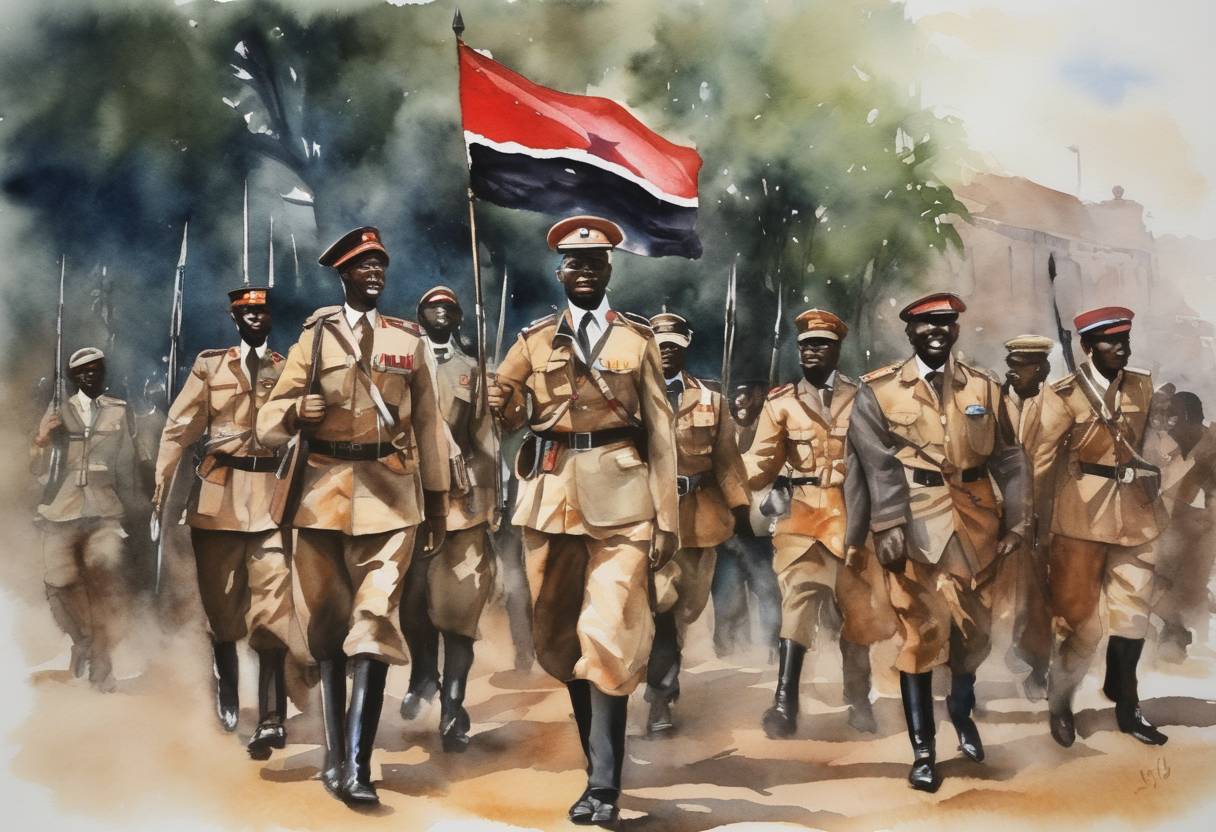
Mashujaa Day: Kenya’s Commemoration on October 20, 2010
On October 20, 2010, Kenya celebrated the very first Mashujaa Day, also known as Heroes’ Day, to honor those who contributed significantly to the country’s struggle for independence and national development. Although initially mistaken for an event on September 1, the accurate date reflects its annual observance on October 20th. This day marks a national holiday and represents a pivotal moment in appreciating the sacrifices made by Kenya’s freedom fighters and acknowledging the diverse heroes and heroines who’ve impacted the nation’s history across various fields.
Historical Context
Mashujaa Day was instituted following the ratification of Kenya’s new constitution on August 27, 2010, which provided the framework to replace Kenyatta Day—previously commemorated for Jomo Kenyatta and other political detainees arrested on October 20, 1952. The new observance aimed to broaden the recognition of national contributors beyond political figures, incorporating a wide array of Kenyans who have played beneficial roles in the country’s history, including those in education, health, sports, and community development.
Key Events Leading Up to Mashujaa Day
Colonial Struggle: Kenya’s journey to independence was turbulent, marked by resistance against colonial rule prominently exemplified by the Mau Mau uprising in the 1950s. Freedom fighters played a crucial role in opposing British rule and advocating for self-governance, eventually culminating in Kenya’s independence on December 12, 1963.
Promulgation of the New Constitution: As part of political reforms and a national healing process that followed the post-election violence of 2007-2008, the Kenyan government and citizens worked towards constitutional change. This led to the promulgation of the new constitution which introduced Mashujaa Day as a means to commemorate all Kenyans who have affected the nation positively.
Celebrations and Significance
Mashujaa Day is observed with various ceremonies throughout the nation, including parades, speeches by national leaders, and cultural displays. These events are aimed not only at honoring past heroes but also inspiring current and future generations to contribute positively to the country.
The recognition extends to ordinary Kenyans who have made extraordinary contributions in their communities, shedding light on modern-day heroes from all sectors. The day is significant for fostering unity, national pride, and reflecting on both the past struggles and the triumphs that have shaped Kenya’s identity and progress.
Broader Significance
The inaugural Mashujaa Day set a precedent for how Kenya honors its history and celebrates its citizens. It emphasized an inclusive narrative of heroism that fosters national cohesion while acknowledging diverse efforts that define Kenya’s societal fabric.
By observing Mashujaa Day, Kenya not only commemorates its history but also reaffirms the value of collective contribution toward national building, echoing the ethos that the country’s prosperity benefits from the endeavors of many, rather than a few celebrated individuals.