Ellen Johnson Sirleaf: Liberia's Historic Election on November 23, 2005
2005 · Monrovia, Liberia
Ellen Johnson Sirleaf is declared the winner of the Liberian presidential election, becoming Africa's first elected female head of state.
December 21, 2005
Ellen Johnson Sirleaf is officially confirmed as the winner of Liberia's presidential election, making her Africa's first elected female head of state.
Monrovia, Liberia | National Elections Commission of Liberia
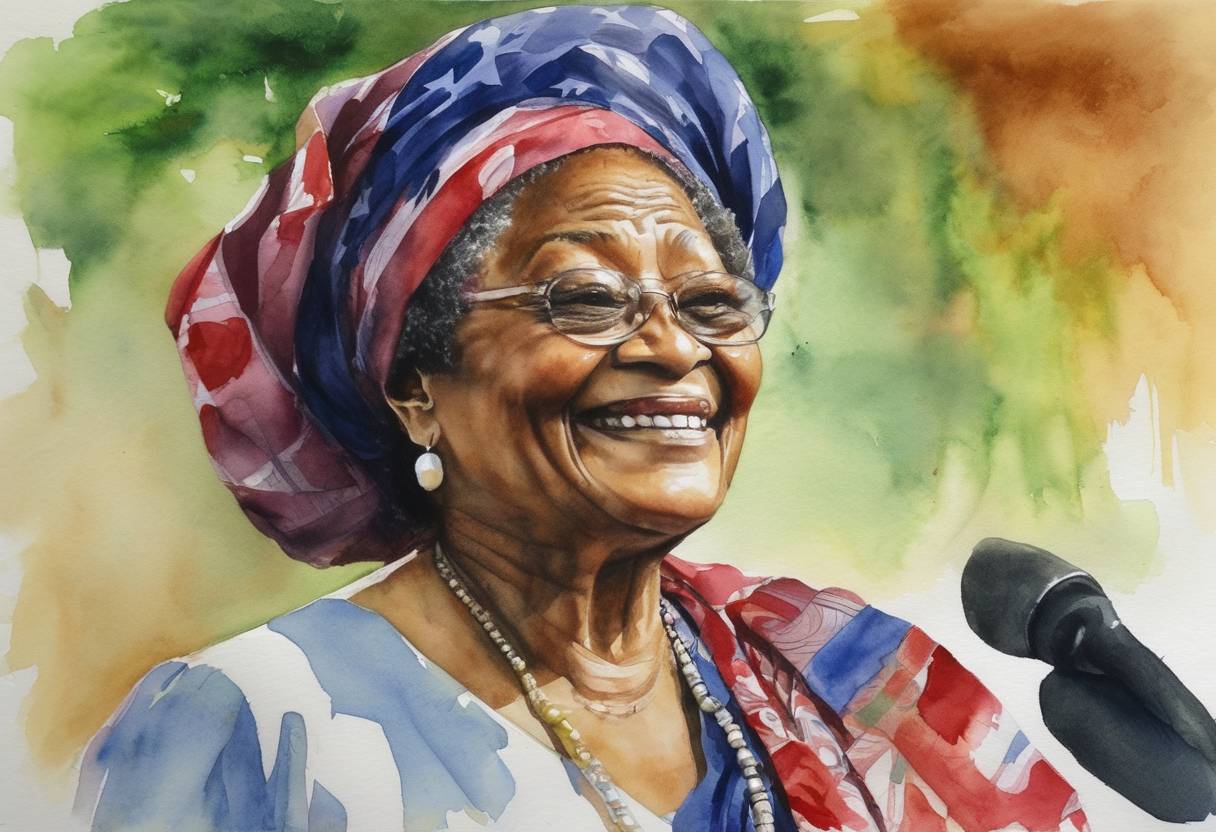
On December 21, 2005, Ellen Johnson Sirleaf was officially confirmed as the winner of Liberia’s presidential election, a milestone event that marked her as Africa’s first elected female head of state. Her victory was announced following the November elections, where she ran against George Weah, a former football star who enjoyed significant popularity. Sirleaf’s win was officially declared by the National Elections Commission of Liberia, concluding a pivotal moment in the nation’s post-conflict history.
Liberia had recently emerged from over a decade of civil war, which left the nation in a state of economic and social disrepair. The civil conflict officially ended in 2003 with the help of international interventions and peacekeeping efforts by the United Nations. The 2005 elections were the first conducted under peaceful conditions in Liberia since the war, offering hope for stable governance and reconstruction.
Ellen Johnson Sirleaf was born on October 29, 1938, and had a distinguished career in economics and international development prior to her presidency. Educated in the United States, with degrees from the University of Colorado and Harvard University, Sirleaf worked for the World Bank and the United Nations, gaining a reputation as a skilled technocrat. She also served as Liberia’s Minister of Finance in the 1970s, navigating a complex political landscape dominated by military leadership and political upheaval.
Sirleaf’s election represented a breakthrough in gender barriers in African politics, positioning her as a symbol of empowerment for women across the continent. Her presidency promised a shift towards stability, peace, and development, which were critical themes in her campaign. Sirleaf advocated for rebuilding Liberia’s infrastructure, improving education, and fostering economic growth, appealing to the Liberian electorate’s desire for sustainable post-war recovery.
Under Sirleaf’s leadership, Liberia achieved significant progress in terms of infrastructure rebuilding, economic reforms, and enhanced international relations. Her administration worked on improving educational opportunities, healthcare services, and governance transparency. Sirleaf’s presidency also inspired broader discussions on female political representation, not only in Liberia but worldwide.
Her eventual receipt of the Nobel Peace Prize in 2011 underscored her efforts towards peacebuilding and women’s rights, cementing her legacy as a pivotal figure in African and global politics.
Overall, Ellen Johnson Sirleaf’s confirmation as president on December 21, 2005, was not just a personal triumph but a historic turning point in Liberia’s ongoing journey towards democracy and equality.
Source: www.nytimes.com