The Sinking of MV Sewol - April 16, 2014
2014 · Jindo, South Korea
The South Korean ferry MV Sewol capsized and sank, resulting in the deaths of 304 passengers, most of whom were high school students.
March 6, 1987
The British ferry MS Herald of Free Enterprise capsizes off the coast of Zeebrugge, Belgium, resulting in the deaths of 193 people.
Zeebrugge, Belgium | Townsend Thoresen
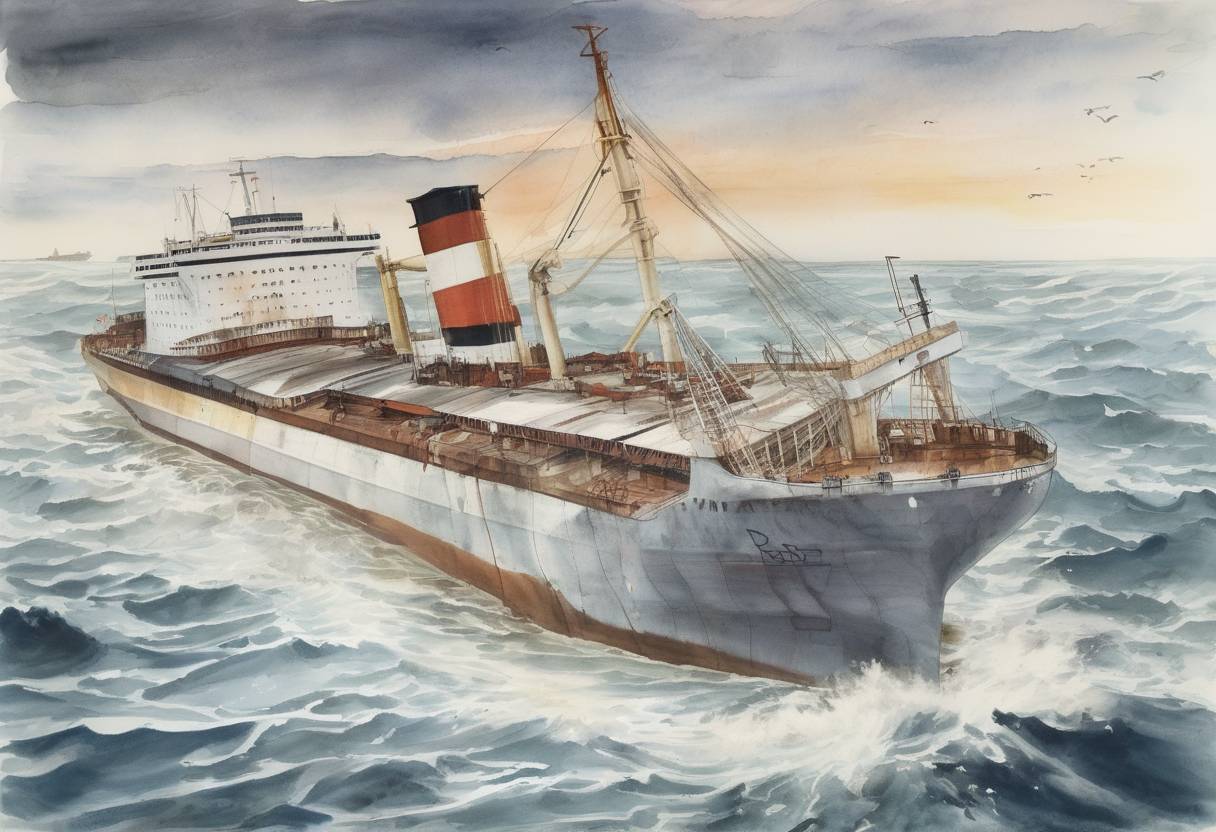
On March 6, 1987, the British ferry MS Herald of Free Enterprise tragically capsized off the coast of Zeebrugge, Belgium, resulting in the deaths of 193 people. This disaster is one of the deadliest maritime incidents in British peacetime history and had significant implications for ferry safety regulations.
The MS Herald of Free Enterprise was a roll-on/roll-off (Ro-Ro) ferry operated by Townsend Thoresen, a subsidiary of P&O European Ferries. It was designed to carry both passengers and vehicles across the English Channel, a popular route connecting Dover, England, and Zeebrugge, Belgium.
Design and Operational Practices: The ferry’s design featured a bow door that allowed vehicles to drive on and off the ship. This design, while efficient, posed risks if the doors were not properly secured.
Crew Fatigue and Procedures: On the day of the disaster, the crew was under significant pressure to maintain tight schedules. Fatigue and inadequate procedures contributed to lapses in safety protocols.
Failure to Close Bow Doors: As the ferry departed Zeebrugge, the bow doors were left open, allowing water to flood the car deck. This critical oversight was due to a combination of human error and systemic failures in communication and safety checks.
Capsizing: Shortly after leaving the harbor, the ferry began to take on water rapidly. Within minutes, it capsized in shallow waters, trapping many passengers and crew inside.
Rescue Efforts: Emergency services from Belgium and nearby countries responded quickly. Despite their efforts, the rapid capsizing and cold waters resulted in a high fatality rate.
Inquiry and Findings: A public inquiry was conducted, revealing systemic failures in safety practices and management oversight. The inquiry criticized the ferry operator for prioritizing speed and efficiency over safety.
Regulatory Changes: The disaster led to significant changes in maritime safety regulations, particularly for Ro-Ro ferries. These included mandatory safety drills, improved door locking mechanisms, and stricter adherence to safety protocols.
Impact on Ferry Industry: The incident prompted a reevaluation of ferry design and operations across the industry, leading to enhanced safety measures to prevent similar tragedies.
The capsizing of the MS Herald of Free Enterprise highlighted the critical importance of safety in maritime operations and the need for rigorous enforcement of safety standards. It served as a catalyst for international maritime safety reforms, influencing policies that continue to protect passengers and crew worldwide.
This tragic event remains a somber reminder of the potential consequences of neglecting safety in favor of operational efficiency.
Source: en.wikipedia.org