Lewis Hamilton Wins the 2008 Formula One World Championship
2008 · São Paulo, Brazil
Lewis Hamilton wins the Formula One World Championship after finishing fifth in the Brazilian Grand Prix.
May 1, 1994
Ayrton Senna, a Brazilian Formula One driver, died in a crash during the San Marino Grand Prix, leading to significant safety changes in the sport.
Imola, Italy | Formula One
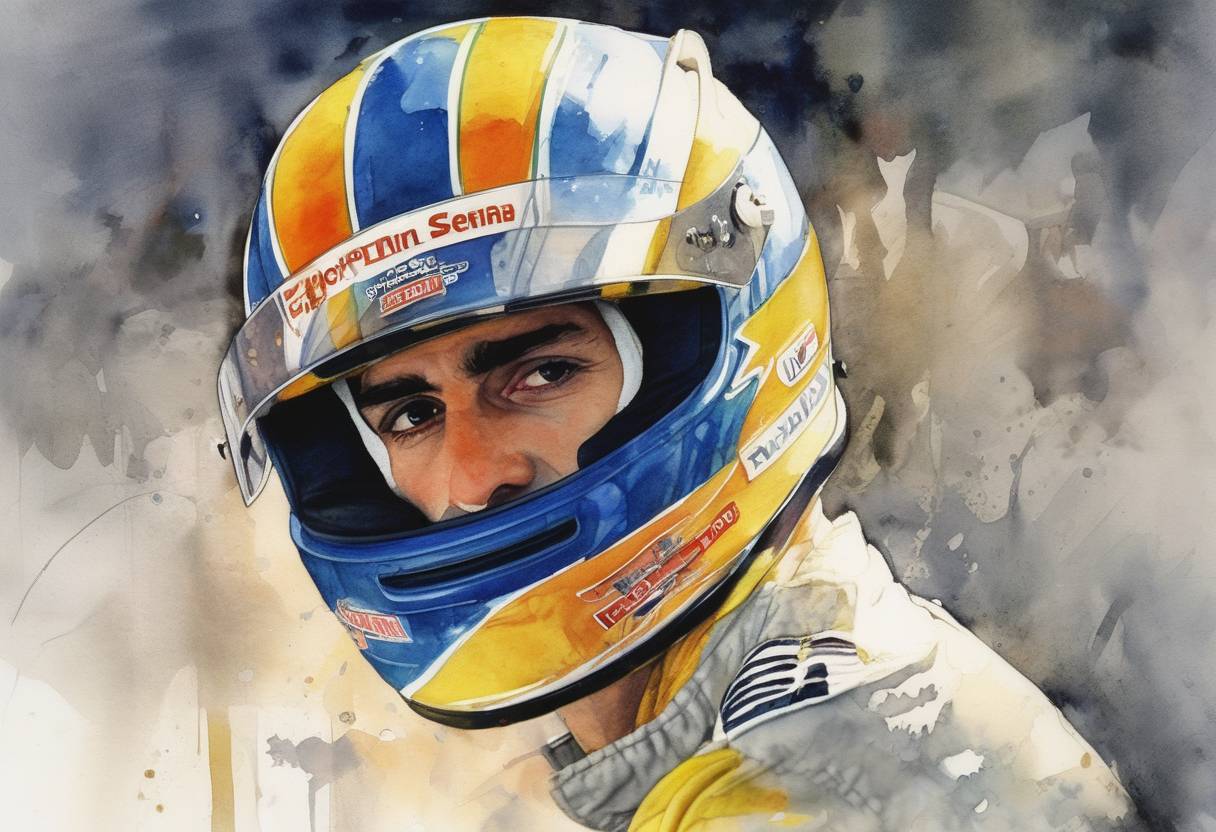
Ayrton Senna da Silva, born on March 21, 1960, in São Paulo, Brazil, was one of the most talented and celebrated drivers in Formula One history. Known for his exceptional skill, fierce competitiveness, and charismatic personality, Senna won three World Championships in 1988, 1990, and 1991, driving for McLaren. By 1994, he had joined the Williams-Renault team, aiming to continue his dominance in the sport.
On May 1, 1994, during the San Marino Grand Prix at the Imola circuit in Italy, Ayrton Senna tragically lost his life in a crash that profoundly impacted the world of motorsport. The weekend was already marred by accidents, including the death of Austrian driver Roland Ratzenberger during qualifying and a severe crash involving Rubens Barrichello during practice.
Senna’s fatal accident occurred on the seventh lap of the race. As he was leading, his car veered off the track at the high-speed Tamburello corner and collided with a concrete wall at approximately 135 mph (217 km/h). The impact caused a suspension arm to penetrate his helmet, inflicting fatal head injuries. Despite immediate medical attention, Senna was pronounced dead at the hospital later that day.
Senna’s death, along with Ratzenberger’s, marked one of the darkest weekends in Formula One history. The incidents prompted widespread calls for improved safety measures in the sport. In response, the FIA (Fédération Internationale de l’Automobile) implemented several significant changes:
Car Design Modifications: Regulations were introduced to reduce downforce and speed, making cars safer in the event of a crash.
Circuit Changes: Tracks were modified to include more run-off areas and better barriers to protect drivers in case of accidents.
Driver Safety Equipment: Improvements were made to helmets and the introduction of the HANS (Head and Neck Support) device became mandatory, reducing the risk of head and neck injuries.
Medical and Rescue Protocols: Enhanced medical facilities and quicker response times were established at race tracks.
Ayrton Senna’s legacy extends beyond his remarkable achievements on the track. His death was a catalyst for the transformation of Formula One into a much safer sport, saving countless lives in the years that followed. Senna is remembered not only for his extraordinary talent and passion for racing but also for his humanitarian efforts and enduring influence on motorsport safety.
Senna’s life and career continue to inspire fans and drivers worldwide, and his impact on Formula One remains a testament to his enduring legacy.
Source: en.wikipedia.org