WHO Declares Algeria and Argentina Malaria-Free
2019 · Geneva, Switzerland
The World Health Organization (WHO) declared Algeria and Argentina malaria-free, recognizing their efforts in eradicating the disease within their borders.
February 3, 2016
The World Health Organization declares the Zika virus outbreak a Public Health Emergency of International Concern due to its association with birth defects and neurological disorders.
Geneva, Switzerland | World Health Organization
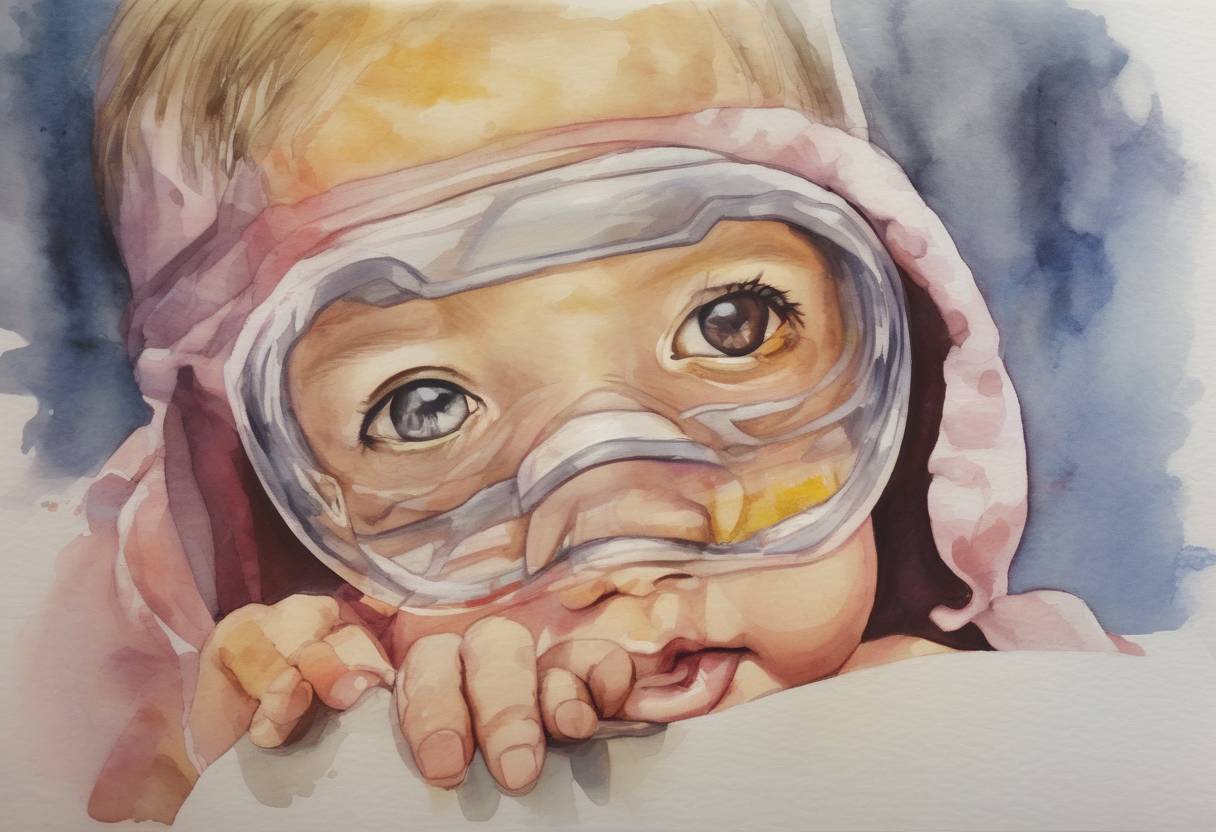
On February 3, 2016, the World Health Organization (WHO) declared the Zika virus outbreak a Public Health Emergency of International Concern (PHEIC). This decision was driven by the rapid spread of the virus and its alarming association with severe birth defects and neurological disorders.
The Zika virus, primarily transmitted by Aedes mosquitoes, was first identified in Uganda in 1947. For decades, it was considered a relatively mild disease, causing symptoms such as fever, rash, and joint pain. However, in 2015, a significant outbreak in Brazil revealed a disturbing link between Zika infections in pregnant women and microcephaly, a condition where babies are born with abnormally small heads and underdeveloped brains.
2015 Outbreak in Brazil: The outbreak in Brazil marked a turning point, with thousands of suspected cases of microcephaly reported. This unprecedented surge in birth defects prompted urgent investigations.
Spread Across the Americas: By early 2016, the virus had spread to over 20 countries and territories in the Americas, raising global concern about its potential impact.
Scientific Evidence: Emerging scientific evidence suggested a strong correlation between Zika virus infections and neurological conditions, including Guillain-Barré syndrome, a disorder that can lead to paralysis.
The WHO’s declaration of a PHEIC was a critical step in mobilizing international resources and attention to combat the outbreak. This designation is reserved for extraordinary events that pose a public health risk through the international spread of disease and require a coordinated global response.
Enhance Surveillance: Improve monitoring and reporting of Zika virus infections and associated complications.
Research and Development: Accelerate research into the virus, its transmission, and potential vaccines or treatments.
Public Health Measures: Implement strategies to control mosquito populations and reduce transmission, including public education campaigns.
Support for Affected Countries: Provide technical and financial assistance to countries grappling with the outbreak.
The declaration spurred a global response, leading to increased funding for research and the development of diagnostic tools. It also heightened awareness about the need for mosquito control and preventive measures, particularly for pregnant women.
Vaccine Development: Efforts to develop a Zika vaccine were intensified, although challenges remain due to the complexity of the virus and its transmission.
Public Health Infrastructure: The outbreak underscored the importance of robust public health systems capable of responding to emerging infectious diseases.
Global Health Policy: The Zika crisis highlighted the interconnectedness of global health and the necessity for international cooperation in addressing health emergencies.
In summary, the WHO’s declaration of the Zika virus outbreak as a PHEIC on February 3, 2016, was a pivotal moment in global health, prompting a concerted international effort to understand and mitigate the impact of this emerging threat.
Source: www.who.int