Overview
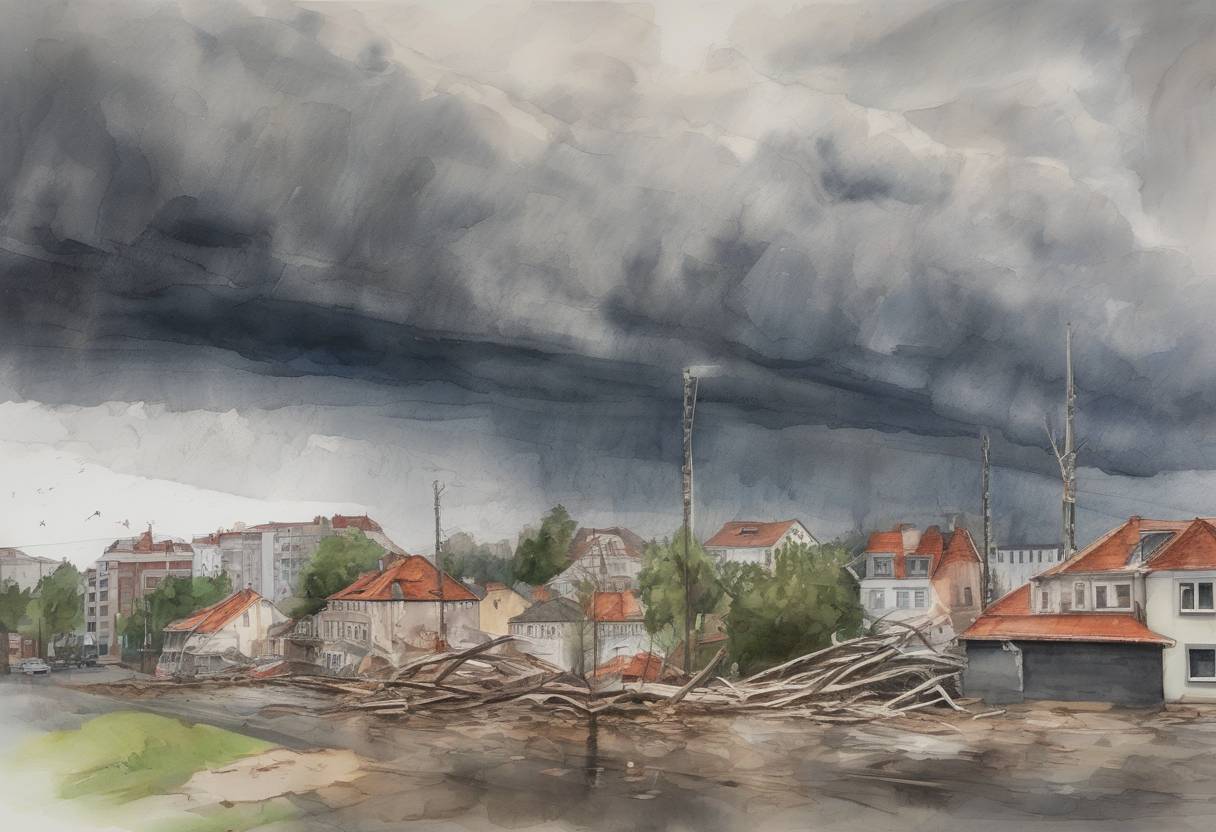
Hurricane Kyrill was a powerful European windstorm that struck several countries in Western Europe on January 18, 2007. It was one of the most severe storms to hit the region in recent years, causing widespread damage, significant disruptions, and resulting in the deaths of at least 47 people.
Impacted Regions
Germany
- Casualties and Damage: Germany was among the hardest-hit countries, with at least 13 fatalities reported. The storm caused extensive damage to infrastructure, uprooted trees, and led to widespread power outages.
- Transportation Disruptions: Rail services were severely affected, with Deutsche Bahn suspending all long-distance train services for the first time in its history due to safety concerns.
United Kingdom
- Casualties and Damage: The UK experienced severe winds, leading to the deaths of at least 14 people. The storm caused significant damage to buildings and infrastructure, particularly in southern England.
- Transportation Disruptions: Major airports, including Heathrow, faced delays and cancellations. Road and rail networks were also disrupted, with fallen trees and debris blocking routes.
Netherlands
- Casualties and Damage: The Netherlands reported several fatalities and widespread damage. The storm’s high winds led to the closure of the Oosterscheldekering, a major storm surge barrier, for the first time since its construction.
- Transportation Disruptions: Air and rail services were disrupted, with Schiphol Airport experiencing delays and cancellations.
Broader Impact
- Power Outages: Across Western Europe, millions of homes were left without electricity due to downed power lines and damaged infrastructure.
- Economic Consequences: The storm caused billions of euros in damages, impacting insurance companies and local economies. The disruption to transportation and power supplies had a ripple effect on businesses and daily life.
Aftermath and Significance
Hurricane Kyrill highlighted the vulnerability of European infrastructure to severe weather events. It prompted discussions on improving storm preparedness and resilience, particularly in the context of climate change and its potential to increase the frequency and intensity of such storms.
The storm also underscored the importance of international cooperation in weather forecasting and emergency response, as countries worked together to manage the storm’s impact and coordinate relief efforts.
In summary, Hurricane Kyrill was a significant meteorological event that had a lasting impact on Western Europe, both in terms of immediate damage and in shaping future policies on disaster preparedness and infrastructure resilience.