The Tehran Conference: November 28, 1943
1943 · Tehran, Iran
The Tehran Conference begins, a meeting between U.S. President Franklin D. Roosevelt, British Prime Minister Winston Churchill, and Soviet Premier Joseph Stalin during World War II.
August 14, 1941
The Atlantic Charter was issued by U.S. President Franklin D. Roosevelt and British Prime Minister Winston Churchill, outlining their goals for the post-war world.
Placentia Bay, Newfoundland (now Canada)
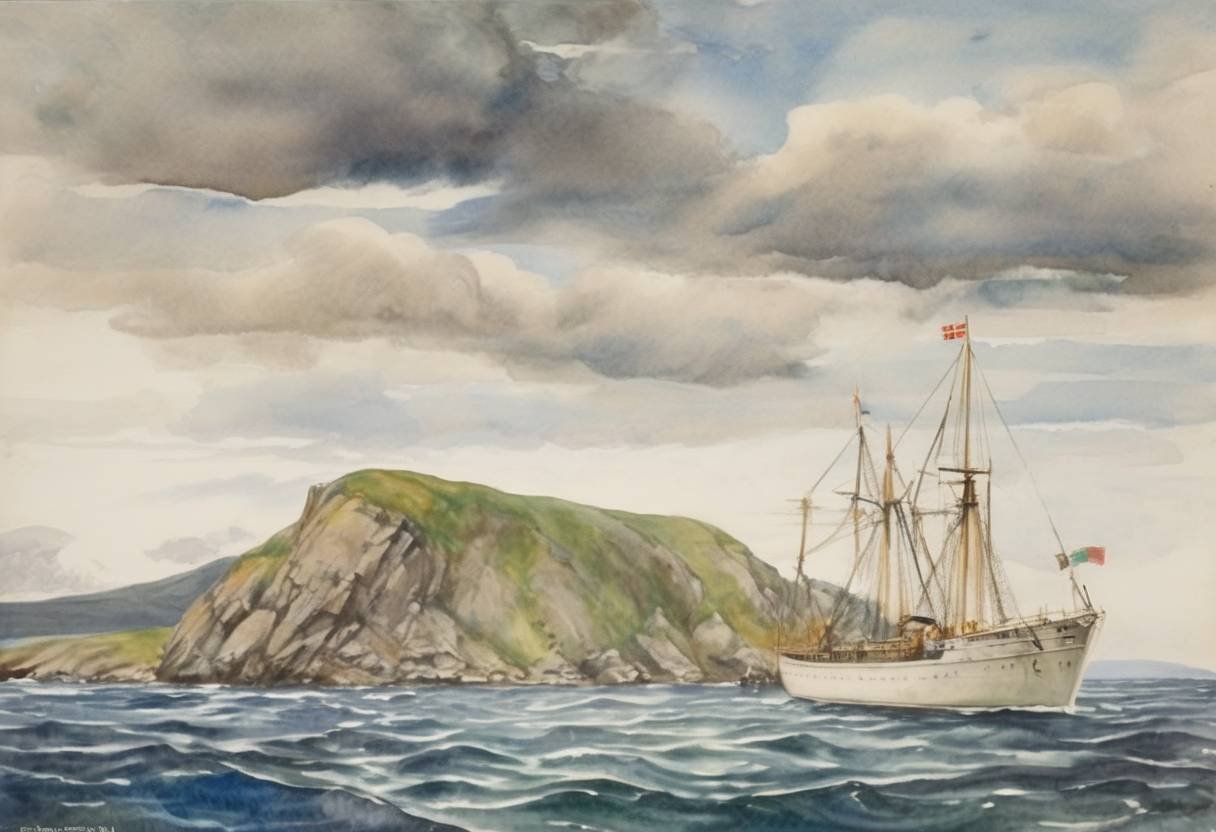
On August 14, 1941, U.S. President Franklin D. Roosevelt and British Prime Minister Winston Churchill issued the Atlantic Charter, a pivotal document that outlined their vision for the world after the conclusion of World War II. This joint declaration was not a formal treaty but rather a statement of shared principles and goals that would guide the Allied powers in shaping a peaceful and prosperous post-war order.
The Atlantic Charter emerged during a critical period of World War II. By mid-1941, the conflict had engulfed much of Europe, with Nazi Germany occupying several countries. The United States had not yet entered the war, but it was providing support to the Allies through programs like the Lend-Lease Act. Against this backdrop, Roosevelt and Churchill met secretly aboard naval ships anchored off the coast of Newfoundland, Canada, to discuss their nations’ wartime strategies and post-war aspirations.
The Atlantic Charter consisted of eight principal points that articulated the leaders’ vision for a world free from tyranny and oppression. These points included:
The Atlantic Charter laid the groundwork for the establishment of the United Nations and was a precursor to various international agreements and organizations that sought to promote peace and cooperation. It inspired many colonized nations to seek independence, as it underscored the importance of self-determination and equal rights.
The Charter also strengthened the bond between the United States and the United Kingdom, setting the stage for their close collaboration throughout the remainder of the war and beyond. It was a significant step in defining the ideological framework that would oppose Axis powers and shape the post-war geopolitical landscape.
While the Atlantic Charter was initially a bilateral agreement, it was later endorsed by all the Allies and became a symbol of their commitment to a just and equitable world order. Its principles influenced the drafting of the United Nations Charter and continue to resonate in international relations today.
In summary, the Atlantic Charter was a visionary document that articulated the hopes and aspirations of two leading democracies during a time of global conflict. It remains a testament to the power of diplomacy and shared values in shaping a better future for all nations.
Source: www.britannica.com