2008 · Wenchuan, China
A devastating earthquake measuring 7.9 on the Richter scale struck Sichuan Province in China, causing widespread destruction and loss of life. The earthquake resulted in nearly 87,000 deaths and left millions homeless.
July 5, 2009
The Xinjiang riots erupted in Urumqi, the capital of the Xinjiang Uyghur Autonomous Region in China, leading to significant ethnic violence between Uyghurs and Han Chinese, resulting in numerous deaths and injuries.
Urumqi, China | Chinese government
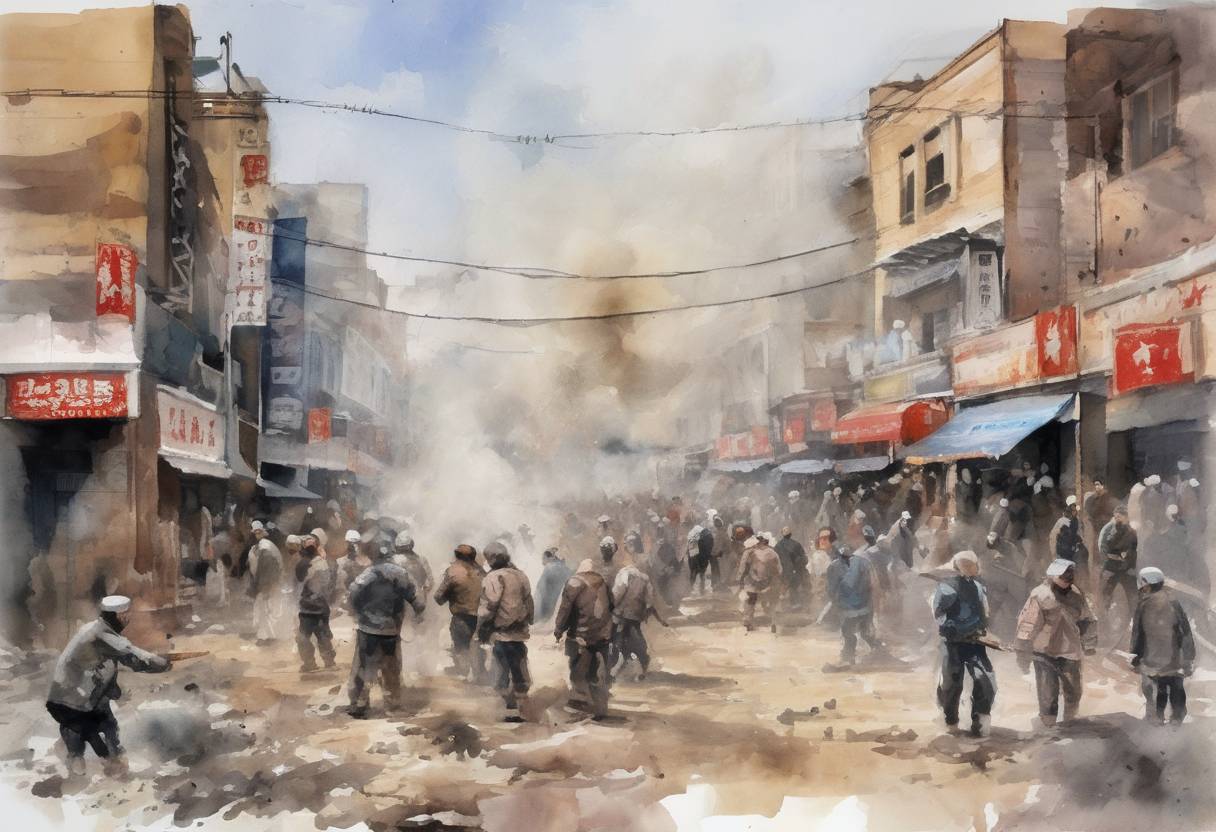
On July 5, 2009, the city of Urumqi, the capital of the Xinjiang Uyghur Autonomous Region in China, became the epicenter of severe ethnic violence. This unrest was primarily between the Uyghur population, a Turkic ethnic group native to the region, and the Han Chinese, the ethnic majority in China. The riots resulted in significant casualties and highlighted longstanding ethnic tensions in the region.
The Xinjiang Uyghur Autonomous Region has been a site of ethnic and cultural tensions for decades. The Uyghurs, who are predominantly Muslim, have expressed grievances over cultural repression, economic marginalization, and the influx of Han Chinese settlers, which they believe threatens their cultural identity and autonomy.
Tensions were exacerbated by an incident in late June 2009 at a toy factory in Shaoguan, Guangdong Province, where a brawl between Han Chinese and Uyghur workers resulted in the deaths of two Uyghurs. This incident was widely publicized and fueled anger among the Uyghur community in Xinjiang.
On July 5, 2009, what began as a peaceful protest by Uyghur students in Urumqi quickly escalated into violent clashes. The protesters were initially demanding a thorough investigation into the Shaoguan incident. However, the situation spiraled out of control, leading to widespread violence.
Casualties and Damage: The riots resulted in at least 197 deaths and over 1,700 injuries, according to official Chinese sources. The majority of the casualties were reported to be Han Chinese, although Uyghur groups disputed these figures, claiming a higher number of Uyghur deaths. The violence included arson, looting, and brutal attacks on individuals from both ethnic groups.
Government Response: The Chinese government responded with a heavy security crackdown. Thousands of troops were deployed to restore order, and a curfew was imposed. The government also temporarily shut down internet access and other communication channels in the region to prevent the spread of unrest.
The riots had significant repercussions:
Increased Security Measures: The Chinese government intensified its security presence in Xinjiang, implementing stricter surveillance and policing measures. This included the installation of numerous security cameras and checkpoints throughout the region.
Ethnic Relations: The riots further strained ethnic relations in Xinjiang. The Chinese government attributed the unrest to separatist elements and external influences, while Uyghur advocacy groups highlighted systemic discrimination and repression as root causes.
International Attention: The events drew international attention to the plight of the Uyghurs, with human rights organizations calling for investigations into the causes of the violence and the Chinese government’s response.
The 2009 Xinjiang riots underscored the deep-seated ethnic tensions in the region and highlighted the challenges of managing ethnic diversity in China. The events have had a lasting impact on Chinese domestic policy and international relations, particularly concerning human rights issues.
The situation in Xinjiang remains a sensitive and complex issue, with ongoing debates about autonomy, cultural rights, and security. The 2009 riots are a pivotal moment in understanding the broader context of ethnic relations and governance in China.
Source: en.wikipedia.org