The Women's March on January 21, 2017
2017 · Washington, D.C., United States
The Women's March took place in Washington, D.C., and around the world, with millions of people protesting for women's rights and other civil rights issues.
January 2, 2016
A group of armed militants, led by Ammon Bundy, occupy the Malheur National Wildlife Refuge in Oregon, protesting federal land policies. The standoff lasts 41 days.
Harney County, United States | Bundy militia
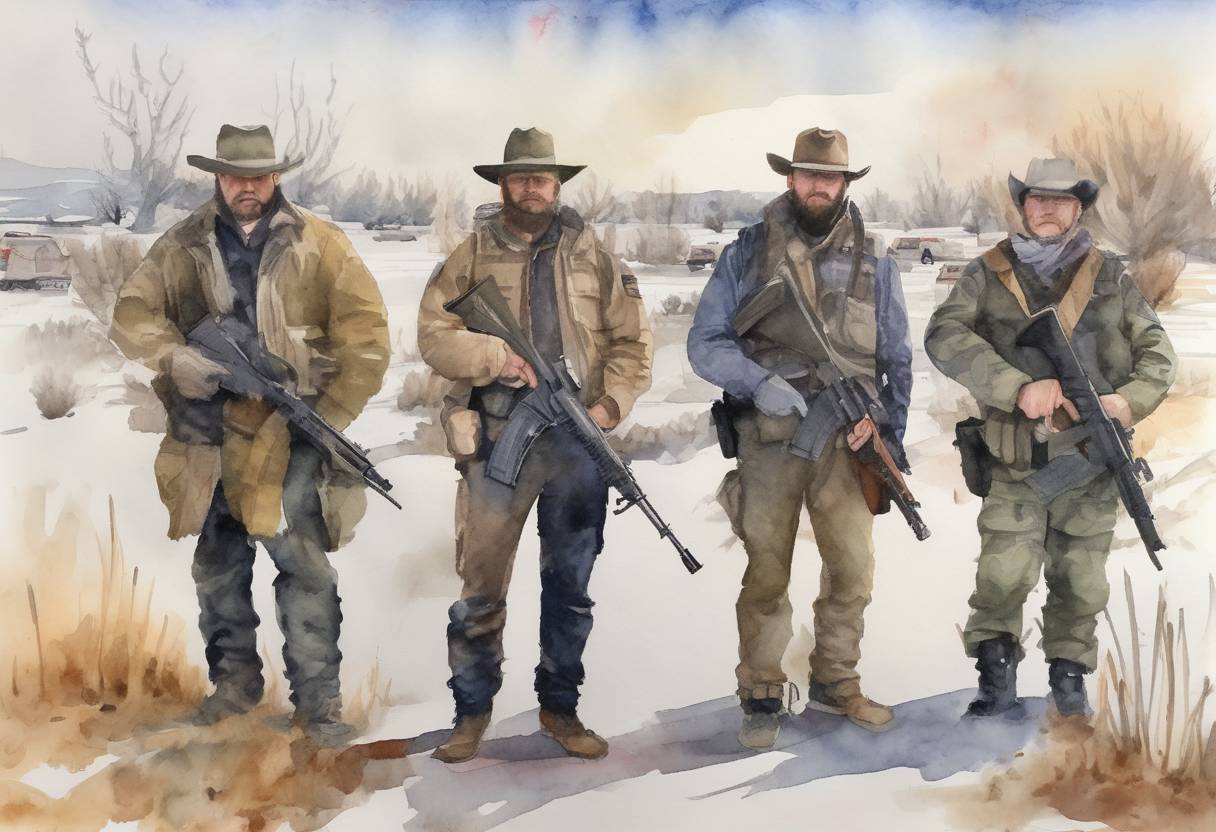
On January 2, 2016, a group of armed militants led by Ammon Bundy occupied the Malheur National Wildlife Refuge in Harney County, Oregon. This event marked the beginning of a 41-day standoff with federal authorities, drawing national attention to issues surrounding federal land management and the rights of local ranchers.
The occupation was rooted in longstanding tensions between local ranchers and the federal government over land use policies. The immediate catalyst for the standoff was the imprisonment of Dwight and Steven Hammond, father-and-son ranchers convicted of arson on federal lands. The Hammonds’ case was seen by many in the local community and beyond as an example of federal overreach.
Ammon Bundy, along with his brother Ryan Bundy and other supporters, traveled to Oregon to protest the Hammonds’ imprisonment. They called for the federal government to relinquish control of the Malheur National Wildlife Refuge and return the land to local control.
Initial Occupation: On January 2, 2016, the militants took over the refuge’s headquarters, which was unoccupied at the time. They declared their intention to remain indefinitely, demanding changes to federal land policies.
Participants: The group, which varied in size, included individuals from various states, many of whom were armed. They identified themselves as part of a broader movement advocating for states’ rights and reduced federal control over land.
Federal Response: The federal government, led by the FBI, opted for a cautious approach to avoid escalating the situation. Negotiations were attempted, but the occupiers remained steadfast in their demands.
Public Reaction: The occupation drew mixed reactions. Some supported the militants’ stance against federal land management, while others criticized their methods and the potential for violence.
The standoff ended on February 11, 2016, following a series of arrests and the death of one occupier, LaVoy Finicum, during a confrontation with law enforcement. The remaining occupiers surrendered peacefully.
Legal Consequences: Several of the occupiers, including Ammon and Ryan Bundy, were arrested and faced federal charges. In October 2016, a jury acquitted them of conspiracy charges, a verdict that surprised many observers.
Impact on Land Policy: The occupation highlighted deep-seated issues regarding federal land management in the Western United States. It sparked a national debate on the balance between federal authority and local control.
Broader Implications: The event underscored the potential for conflict over land use and the complexities of addressing grievances through armed protest. It also raised questions about the role of militias and the limits of protest in a democratic society.
The Malheur standoff remains a significant event in the ongoing discourse about land rights and federal authority in the United States, reflecting broader themes of governance, civil disobedience, and the rule of law.
Source: www.nytimes.com