Abu Sayyaf Attack on Philippine Military Convoy - December 8, 2004
2004 · Jolo, Philippines
The Al-Qaeda-linked group Abu Sayyaf attacked a Philippine military convoy on the island of Jolo, resulting in the deaths of at least 10 soldiers.
May 19, 2000
The Five Escobars and other breakaway factions from the hostage crisis in the Philippines freed 10 of their 11 hostages after talks with Filipino presidential candidate Gloria Macapagal Arroyo.
Basilan, Philippines | Abu Sayyaf
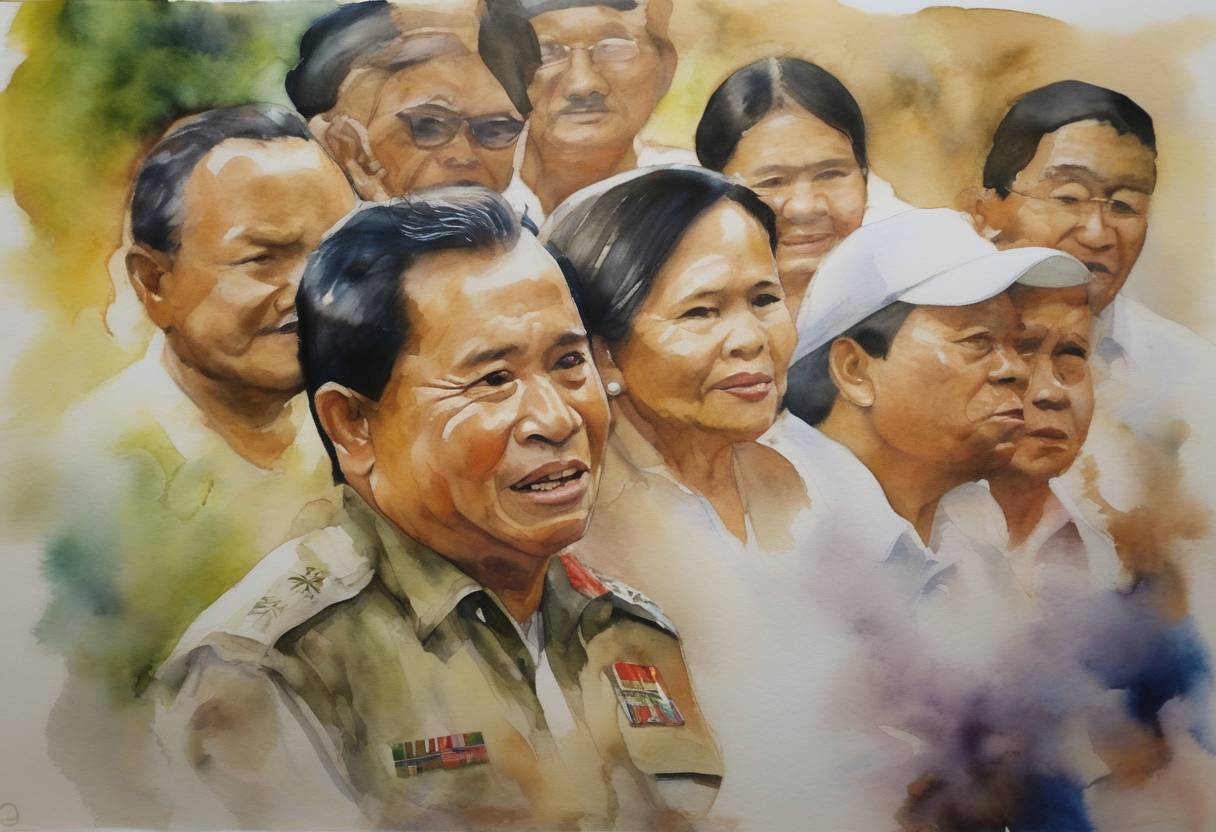
On May 19, 2000, in the Philippines, a group known as The Five Escobars, which had broken away from the larger group of hostage-takers during the infamous Sipadan kidnapping crisis, released 10 of their 11 hostages. The release followed negotiations with Gloria Macapagal Arroyo, a prominent Filipino presidential candidate at the time.
The incident originated on April 23, 2000, when Abu Sayyaf, a separatist militant group in the southern Philippines, kidnapped 21 hostages from the Malaysian dive resort island of Sipadan. The hostages included international tourists and resort workers. The crisis drew significant international attention and led to various diplomatic and military efforts to secure the hostages’ release.
During this tense period, several factions emerged within the hostage-takers, one of which was led by a subgroup referred to as The Five Escobars. This faction was named after its individual leaders, who held divergent views from the broader Abu Sayyaf leadership on handling the hostage situation.
Negotiations with The Five Escobars were spearheaded by Gloria Macapagal Arroyo. Arroyo, an influential figure in Philippine politics and campaigning for the presidency, played a crucial role in persuading the subgroup to release the hostages. Her involvement was part of a broader strategy by the Philippine government to resolve the crisis through dialogue and negotiation, aiming to minimize bloodshed and secure a peaceful resolution. The negotiations reportedly involved promises of improved livelihoods and development projects in exchange for the hostages’ freedom.
On May 19, ten of the eleven hostages held by The Five Escobars were freed, a move largely viewed as a positive step towards resolving the broader crisis. This event highlighted the possibility of negotiating with militants and underscored Arroyo’s diplomatic efforts during her campaign. The release was a significant moment in the lead-up to the eventual resolution of the hostage crisis, which saw most of the remaining hostages freed through subsequent negotiations and military interventions.
The release of hostages by The Five Escobars illustrated the complexities within the Abu Sayyaf group, showcasing its internal divisions. It also emphasized the effectiveness of negotiation in certain hostage situations, despite the prevailing danger. Gloria Macapagal Arroyo’s role in the negotiations may have bolstered her political standing, contributing to her election as President of the Philippines in 2001.
In the aftermath, continued efforts by the Philippine government and international partners eventually dismantled much of Abu Sayyaf’s operational capacity, though remnants of the group have persisted in the region, continuing to pose challenges in terms of security and stability.
Source: www.nytimes.com