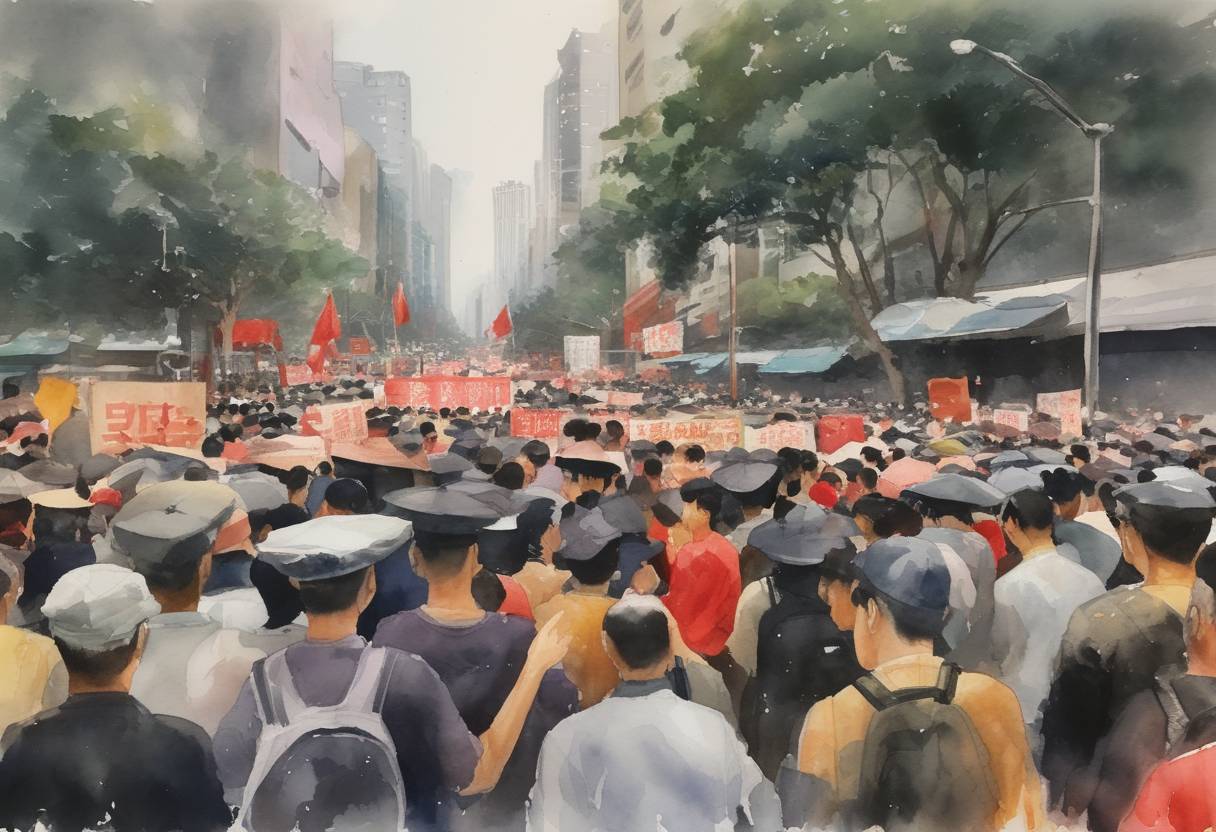
Protests in Hong Kong on June 17, 2019
On June 17, 2019, protests continued in Hong Kong against the proposed extradition bill, which had sparked significant controversy and unrest among the Hong Kong population. The bill proposed allowing the extradition of fugitives to jurisdictions with which Hong Kong did not have existing extradition agreements, most notably mainland China.
Background
The extradition bill was first introduced in February 2019 and was partly motivated by a high-profile criminal case in which a Hong Kong man was accused of murdering his girlfriend in Taiwan but could not be extradited. However, the bill faced widespread opposition due to concerns that it would undermine Hong Kong’s judicial independence and potentially expose citizens and visitors to unfair trials in mainland China’s judicial system, which is often criticized for lacking transparency and human rights protections.
Events of June 17, 2019
On June 17, the protests intensified following a large peaceful march the previous day, attended by approximately two million people according to the organizers. Protesters gathered in various parts of the city, including near government buildings in Admiralty. Demonstrators continued to call for the withdrawal of the bill and the resignation of Chief Executive Carrie Lam, who at that point had suspended the bill but did not fully withdraw it.
The protests expanded to broader demands, including:
- Full withdrawal of the extradition bill.
- Investigation into police use of force during earlier protests.
- Release of arrested protesters.
- Retraction of the characterization of the protests as “riots.”
- Implementation of universal suffrage in Hong Kong.
Broader Significance
The protests on June 17 were part of a larger movement that marked one of the largest political crises in Hong Kong since its handover from Britain to China in 1997. The demonstrations highlighted the deep-seated fears among Hong Kongers regarding the erosion of freedoms and autonomy under the “one country, two systems” framework.
Aftermath
The protests continued in the following months, growing in size and leading to significant political and social impacts. The movement became emblematic of broader frustrations with Beijing’s increasing influence over Hong Kong’s affairs, simultaneously drawing international attention and condemnation of the perceived encroachment on Hong Kong’s autonomy.
In September 2019, the extradition bill was officially withdrawn, but by then, the movement had grown to call for comprehensive democratic reforms and accountability for police actions during the protests. This period continued to reshape Hong Kong’s political landscape and its relations with both China and the international community.