Samuel Taylor Coleridge: A Reflection on His Passing
1834 · Highgate, United Kingdom
Samuel Taylor Coleridge, the renowned English poet and philosopher famous for his works such as 'The Rime of the Ancient Mariner', passed away.
March 31, 1790
Future founder of German aesthetic romanticism, Friedrich Hölderlin, wrote a letter to his brother detailing his philosophical outlook.
Jena, Germany
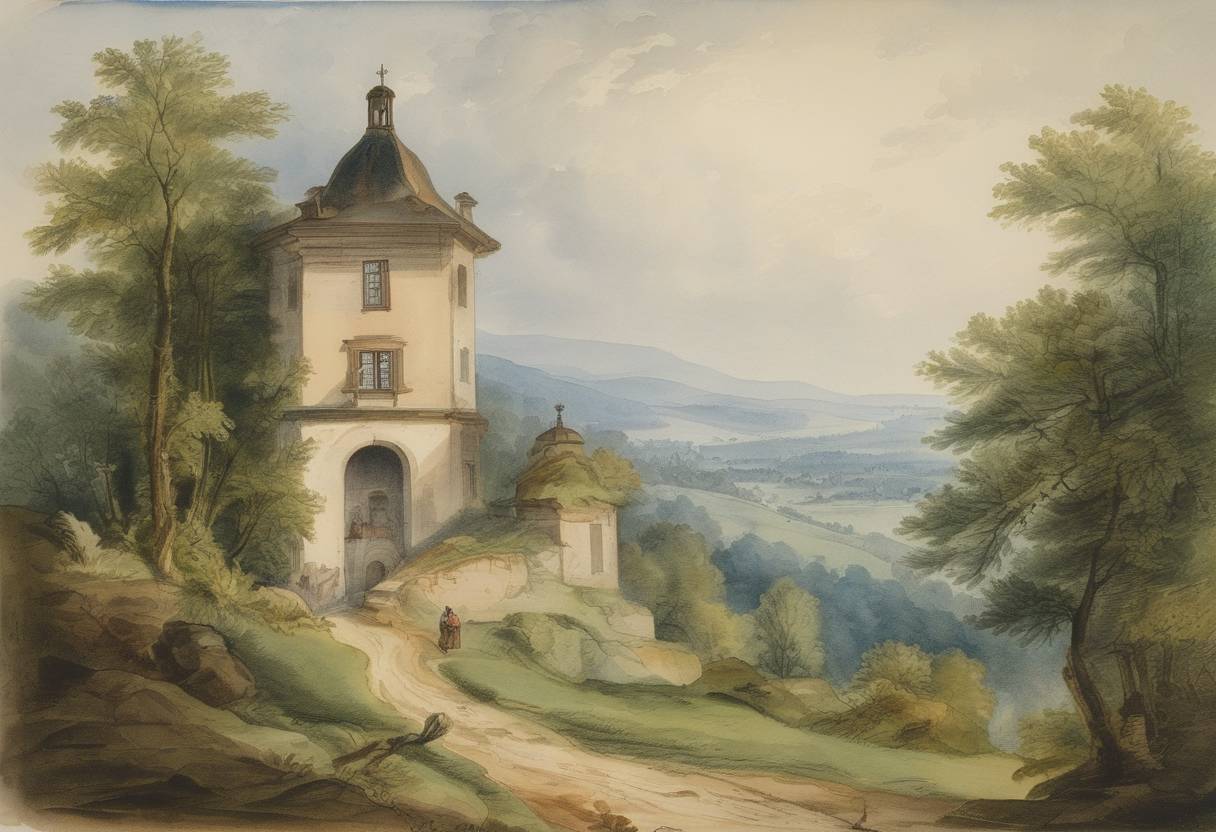
On March 31, 1790, Friedrich Hölderlin, a seminal figure in German aesthetic romanticism, penned a letter to his brother in which he expounded upon his philosophical ideas and personal beliefs. This correspondence provides critical insight into the early thoughts of Hölderlin, who would later become renowned for his lyrical poetry and philosophical depth.
At the time of writing, Hölderlin was a young intellectual, deeply engaged with the tumultuous philosophical and cultural shifts of the late 18th century. This period in Europe was marked by the burgeoning Enlightenment ideals, the rise of Romanticism, and the impact of the French Revolution. Hölderlin was significantly influenced by these currents, along with the works of philosophers like Immanuel Kant and subsequent German idealists.
Nature and the Divine: Hölderlin articulated a profound connection between nature and spirituality, a theme that would resonate through much of his later work. In his letter, he discusses the harmonious unity of the natural world as an expression of divine presence, reflecting the romantic emphasis on nature as a source of inspiration and transcendent truth.
Idealism and Reality: The correspondence sheds light on Hölderlin’s exploration of idealism. Drawing from the philosophies of Kant and his contemporaries, Hölderlin grapples with the nature of human perception versus objective reality, contemplating how idealist philosophy can reconcile the two.
Human Freedom and Society: The letter hints at Hölderlin’s contemplation of freedom, both personal and societal. Influenced by Enlightenment ideals, he debates the implications of individual liberty within the constructs of society and governance.
Aesthetic and Moral Values: Hölderlin’s writing also touches upon the intricate relationship between aesthetic appreciation and moral ethics. He suggests that beauty and truth are intrinsically linked, with moral clarity stemming from an appreciation of the sublime and the beautiful in the world.
Friedrich Hölderlin’s thoughts, as expressed in this formative letter, prefigure the themes that would dominate his later, more mature works. His focus on the intertwining of nature, freedom, and philosophical idealism would come to characterize his contributions to German literature and philosophy. Furthermore, his ideas would leave a lasting legacy, influencing the trajectory of Romantic thought and beyond.
In summary, this document not only provides personal insight into Hölderlin’s intellectual development but also marks an important moment in the evolution of Romantic philosophy and aesthetics at a time when European thought was undergoing profound transformation.
Source: www.poetessays.com