Cyclone Gita Strikes New Zealand: February 20, 2018
2018 · Wellington, New Zealand
Cyclone Gita struck New Zealand, causing significant damage and power outages as authorities declared a state of emergency in some of the affected areas.
November 13, 2016
A powerful earthquake, the Kaikōura earthquake, strikes the South Island of New Zealand with a magnitude of 7.8, leading to two deaths and triggering landslides that significantly impact infrastructure and the environment.
Kaikōura, New Zealand | n/a
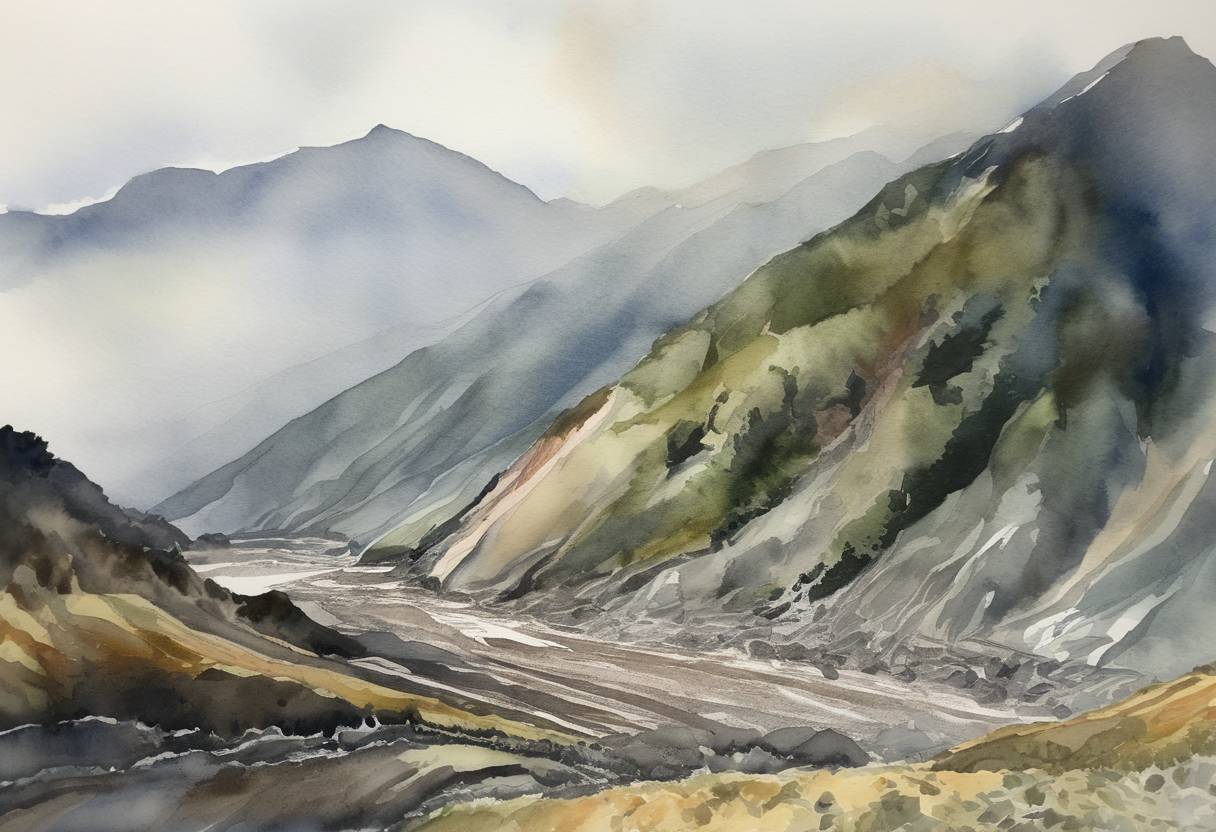
On November 13, 2016, at 11:02 PM local time, a powerful earthquake with a magnitude of 7.8 struck the South Island of New Zealand. The epicenter was near Kaikōura, a coastal town known for its stunning landscapes and marine life. This event became one of the most complex earthquakes ever recorded due to the multiple faults that ruptured simultaneously.
The earthquake was felt widely across New Zealand, including in the capital, Wellington, located several hundred kilometers away. The intensity of the quake caused substantial ground shaking and sustained for nearly two minutes, adding to the damage and unsettling local communities.
Two people tragically lost their lives during the earthquake. The tremor not only resulted in fatalities but also led to significant infrastructural damage:
Buildings and Homes: Several buildings in Kaikōura and surrounding areas sustained severe damage. Residential homes bore the brunt, rendering many uninhabitable.
Transportation and Infrastructure: Critical transport routes suffered disruptions:
Landslides and Environmental Impact: A series of landslides were triggered along the coast and mountains, altering landscapes and threatening native wildlife.
New Zealand’s government and local agencies responded swiftly, deploying emergency services to assess and repair damaged infrastructure. The New Zealand Defence Force was mobilized to provide humanitarian aid and facilitate evacuations, particularly for stranded tourists in Kaikōura.
The earthquake had several significant long-term consequences:
Infrastructure Rebuild: The reconstruction efforts took several years, with major roadworks completed to restore full connectivity along affected routes. The recovery provided an opportunity to upgrade infrastructure resilience against future seismic events.
Economic Impact: There was a marked impact on the local economy, particularly on tourism—a key sector in Kaikōura. Recovery efforts and government support aimed to mitigate the adverse economic effects.
The 7.8 magnitude tremor was notable for involving at least 21 separate faults, providing geologists with unprecedented insights into the complex tectonics of the region. It highlighted the need for comprehensive seismic studies, leading to advancements in earthquake preparedness and building codes in New Zealand.
The Kaikōura earthquake of 2016 remains a poignant reminder of the New Zealand region’s vulnerability to seismic events and a testament to the resilience and swift response of its people and government.
Source: www.geonet.org.nz