German Reunification: October 2, 1990
1990 · Berlin, Germany
The German reunification was completed, with the former East Germany officially joining the Federal Republic of Germany.
November 9, 1989
The Berlin Wall fell, marking a pivotal moment in the collapse of communist regimes in Eastern Europe and symbolizing the end of the Cold War.
Berlin, Germany | East Germany
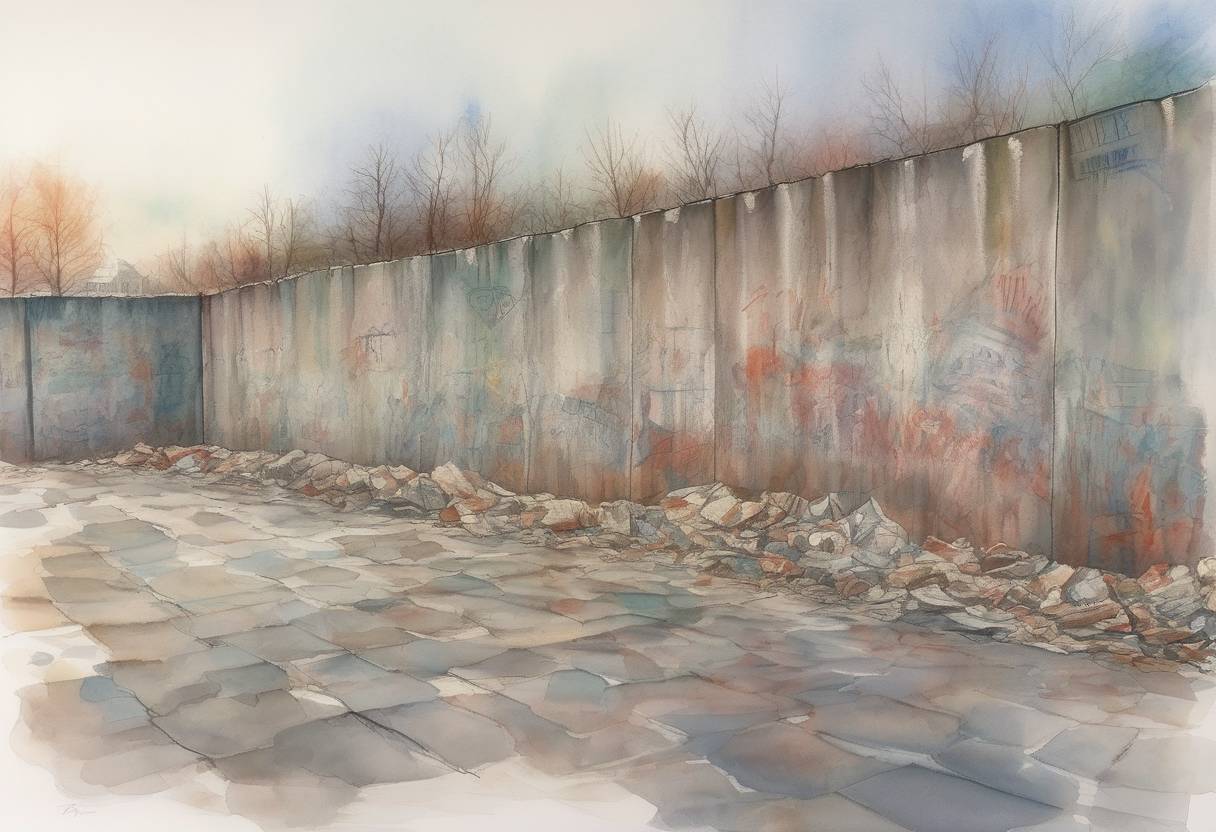
The Berlin Wall, erected on August 13, 1961, by the German Democratic Republic (GDR), was a concrete barrier that physically and ideologically divided East and West Berlin. It became a potent symbol of the Cold War, representing the division between the communist Eastern Bloc and the capitalist Western nations. The Wall was intended to stop the mass emigration and defection from the Eastern Bloc to the West, which had seen millions of East Germans flee to West Germany through Berlin.
In the late 1980s, the Eastern Bloc experienced significant political and social changes. The Soviet Union, under the leadership of Mikhail Gorbachev, introduced reforms such as glasnost (openness) and perestroika (restructuring), which encouraged more liberal policies and greater transparency. These reforms inspired movements across Eastern Europe, leading to demands for more freedom and the end of authoritarian rule.
In East Germany, public discontent grew, fueled by economic stagnation and the desire for political reform. Mass protests, notably the Monday demonstrations in Leipzig, gathered momentum throughout 1989, demanding democratic reforms and the freedom to travel.
On November 9, 1989, a series of events unfolded that led to the unexpected opening of the Berlin Wall. Earlier that day, the East German government, under pressure from the growing protests, decided to allow limited travel to the West. During a press conference, GDR official Günter Schabowski mistakenly announced that East Germans could cross the border freely, effective immediately. This announcement, broadcast live, led to thousands of East Berliners gathering at the Wall, demanding passage.
Overwhelmed by the crowds, border guards, unsure of how to respond and lacking clear instructions, eventually opened the gates. People from both East and West Berlin flooded through, celebrating and dismantling parts of the Wall in a spontaneous and joyous event.
The fall of the Berlin Wall was a pivotal moment in world history, symbolizing the collapse of communist regimes in Eastern Europe and the end of the Cold War. It paved the way for German reunification, which was formally completed on October 3, 1990. The event also accelerated the dissolution of the Soviet Union and the spread of democratic governance across Eastern Europe.
The fall of the Wall remains a powerful symbol of the triumph of freedom over oppression and the enduring human spirit’s desire for unity and self-determination. It marked the beginning of a new era in European and global politics, reshaping international relations and the geopolitical landscape.
Source: en.wikipedia.org