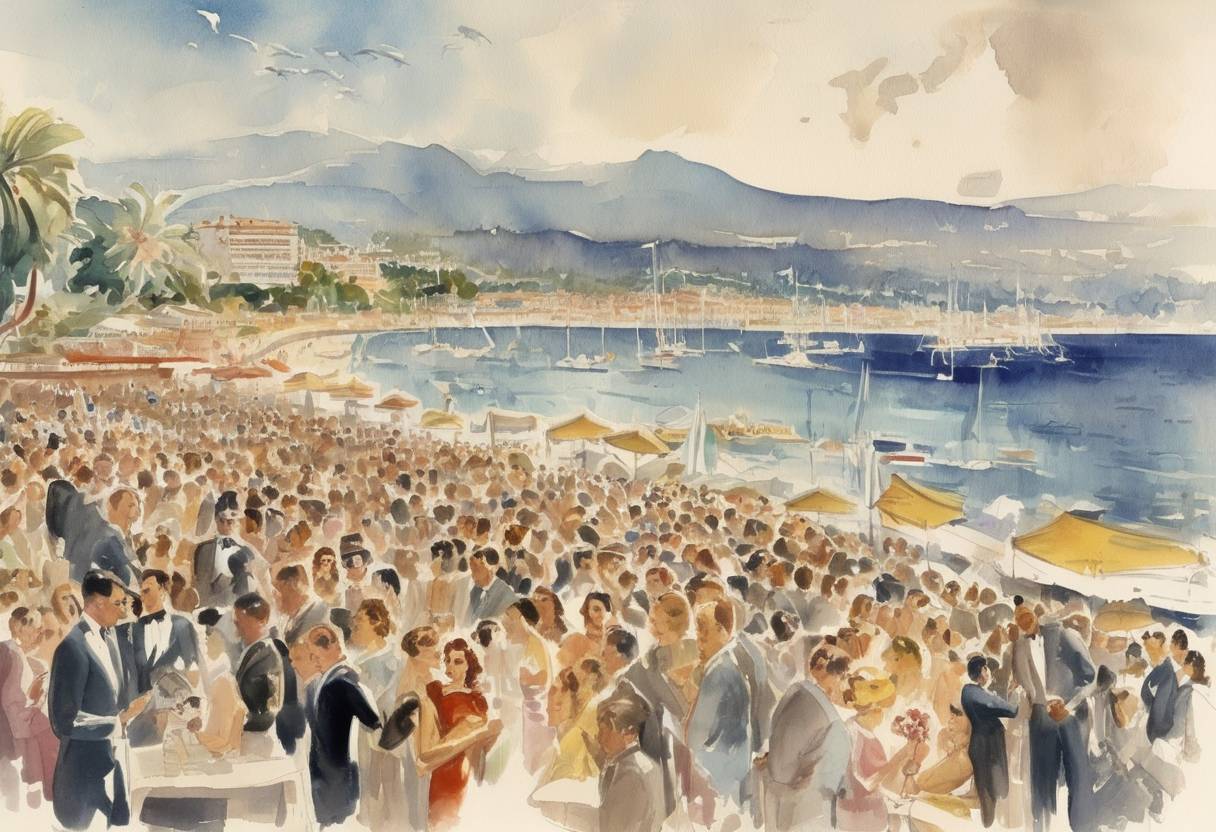
The First Cannes Film Festival: September 20, 1946
The Cannes Film Festival, one of the most prestigious and renowned film festivals in the world, had its inaugural event on September 20, 1946. Originally planned for 1939, the festival was delayed due to the outbreak of World War II. Here’s a detailed account of the festival’s origins, its first edition, and its significance in the world of cinema.
Origins and Delay
Initial Planning (1939): The idea for the Cannes Film Festival was conceived in the late 1930s as a response to the Venice Film Festival, which was perceived to be influenced by fascist governments. The French government, along with film industry professionals, sought to create an international film festival that celebrated artistic freedom and cultural exchange.
World War II Impact: The inaugural festival was scheduled to begin on September 1, 1939. However, the outbreak of World War II and the subsequent German invasion of Poland led to the cancellation of the event. The war significantly disrupted cultural events across Europe, delaying the festival’s debut by several years.
The 1946 Festival
Resumption Post-War: With the end of World War II in 1945, efforts to revive the festival gained momentum. The first Cannes Film Festival was finally held from September 20 to October 5, 1946, in the resort town of Cannes on the French Riviera.
Inaugural Event: The 1946 festival was a non-competitive event, showcasing films from 19 countries. It featured a diverse selection of films, highlighting the global nature of cinema and the spirit of international collaboration.
Notable Films and Directors: The festival included films such as “The Lost Weekend” by Billy Wilder, “Rome, Open City” by Roberto Rossellini, and “Brief Encounter” by David Lean. These films, among others, set a high standard for the artistic quality associated with Cannes.
Significance and Legacy
Cultural Impact: The Cannes Film Festival quickly established itself as a key event in the film industry, promoting not only mainstream cinema but also independent and avant-garde films. It became a platform for filmmakers to gain international recognition.
Awards and Recognition: Although the first festival did not have a competitive element, subsequent editions introduced awards such as the Palme d’Or, which has become one of the most coveted prizes in the film industry.
Ongoing Influence: Over the years, Cannes has grown in stature, influencing trends in global cinema and serving as a launching pad for many filmmakers’ careers. It remains a symbol of cinematic excellence and artistic achievement.
The Cannes Film Festival’s successful launch in 1946 marked the beginning of a new era in film, celebrating the art form’s ability to transcend cultural and national boundaries. Its enduring legacy continues to shape the landscape of international cinema today.