Pope Stephen I Begins His Papacy - May 12, 254
254 · Rome, Roman Empire
Pope Stephen I begins his papacy.
May 30, 0727
Pope Gregory II died, marking the end of his papacy, which was notable for his opposition to Byzantine iconoclasm and his support for missionary work in Germany.
Rome, Papal States (modern-day Italy) | Catholic Church
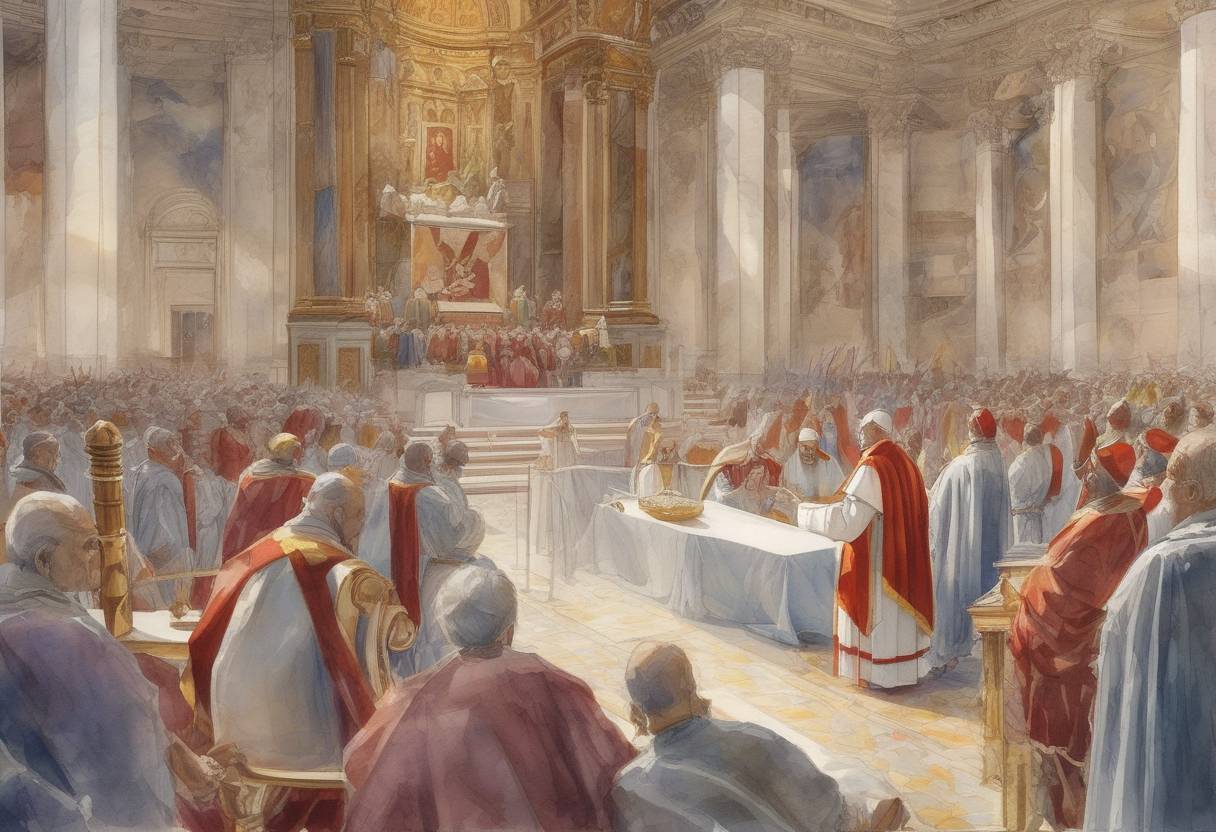
Pope Gregory II, who served as the head of the Roman Catholic Church from 715 until his death on May 30, 727, was a significant figure in early medieval history. His papacy is particularly noted for his staunch opposition to Byzantine iconoclasm and his support for missionary activities in Germany.
Byzantine Iconoclasm: During Gregory II’s papacy, the Byzantine Empire was embroiled in the controversy of iconoclasm, which involved the rejection and destruction of religious images and icons. This movement was initiated by Emperor Leo III in 726, who issued edicts against the veneration of icons, viewing them as idolatrous. Gregory II opposed these edicts, defending the use of icons in Christian worship and maintaining the traditional practices of the Western Church.
Missionary Work in Germany: Gregory II is also remembered for his support of missionary efforts, particularly in the Germanic regions. He played a crucial role in the evangelization of these areas by endorsing and supporting the work of missionaries like Saint Boniface, who is often referred to as the “Apostle of the Germans.” Gregory’s backing helped to establish a stronger Christian presence in these territories, which were crucial for the expansion of Christianity in Europe.
Conflict with Byzantium: Gregory II’s opposition to iconoclasm led to tensions with the Byzantine Empire. Despite the potential for conflict, Gregory managed to maintain the independence of the Roman Church from Byzantine influence, setting a precedent for the autonomy of the papacy.
Support for Monasticism and Reform: Gregory II was a proponent of monasticism and worked towards reforming the Church. He supported the establishment of monasteries and encouraged the spread of monastic ideals, which played a significant role in the spiritual and cultural life of medieval Europe.
Legacy of Resistance: Gregory II’s resistance to iconoclasm laid the groundwork for the eventual resolution of the controversy in favor of the veneration of icons. His actions helped to preserve the rich tradition of Christian art and iconography.
Strengthening of Papal Authority: By asserting the independence of the Roman Church and supporting missionary activities, Gregory II strengthened the authority and influence of the papacy in Western Europe. His efforts contributed to the shaping of the medieval Church and its role in European society.
Impact on Germanic Christianity: The support provided to missionaries like Boniface had a lasting impact on the Christianization of the Germanic peoples, which in turn influenced the cultural and political landscape of Europe for centuries to come.
Pope Gregory II’s papacy was marked by significant challenges and achievements, and his death on May 30, 727, marked the end of a pivotal era in the history of the Church. His legacy continued to influence the direction of Christianity and the role of the papacy in the centuries that followed.
Source: en.wikipedia.org