November 23, 2018

The Camp Fire, the deadliest and most destructive wildfire in California's history, was fully contained after burning for over two weeks.


Paradise, United States | California Department of Forestry and Fire Protection
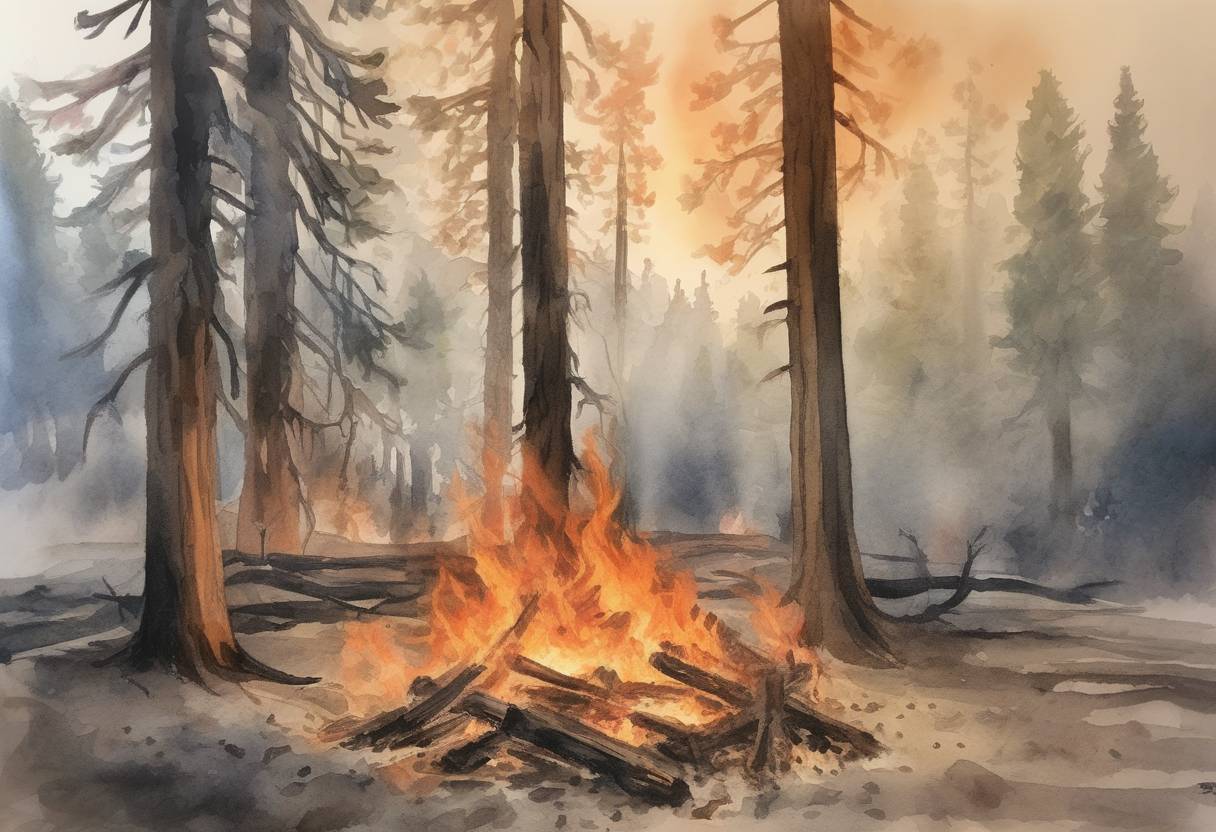
Watercolor painting based depiction of The Camp Fire, the deadliest and most destructive wildfire in California's history, was fully contained after burning for over two weeks. (2018)

The Camp Fire: California’s Deadliest Wildfire

Overview

The Camp Fire, which began on November 8, 2018, in Butte County, Northern California, stands as the deadliest and most destructive wildfire in California’s history. It was fully contained on November 25, 2018, after burning for over two weeks. The fire caused unprecedented devastation, resulting in significant loss of life and property.

Key Details

  • Start Date: November 8, 2018
  • Containment Date: November 25, 2018
  • Location: Butte County, California
  • Area Burned: Approximately 153,336 acres
  • Fatalities: 85 confirmed deaths
  • Structures Destroyed: Over 18,800 structures, including homes and businesses

Causes and Conditions

The Camp Fire was fueled by a combination of factors:

  • Weather Conditions: The region was experiencing dry conditions with low humidity and strong winds, which exacerbated the fire’s spread.
  • Vegetation: Accumulated dry vegetation provided ample fuel for the fire.
  • Ignition Source: Investigations later identified that electrical transmission lines owned by Pacific Gas and Electric Company (PG&E) were the likely cause of the fire.

Impact

  • Paradise, California: The town of Paradise was almost completely destroyed, with nearly all of its structures burned. The fire forced the evacuation of tens of thousands of residents.
  • Human Toll: In addition to the tragic loss of life, the fire displaced thousands of people, many of whom lost their homes and livelihoods.
  • Environmental Damage: The fire caused significant environmental damage, affecting local ecosystems and air quality across the region.

Aftermath and Consequences

  • Recovery Efforts: The recovery and rebuilding process in the affected areas has been long and challenging, with efforts to restore infrastructure and provide housing for displaced residents.
  • Legal and Financial Repercussions: PG&E faced numerous lawsuits and ultimately filed for bankruptcy in January 2019, citing liabilities from the Camp Fire and other wildfires.
  • Policy Changes: The disaster prompted discussions on wildfire management, emergency response, and the role of utility companies in fire prevention.

Historical Significance

The Camp Fire highlighted the increasing frequency and intensity of wildfires in California, attributed in part to climate change and human factors. It underscored the need for improved fire management strategies and infrastructure resilience to mitigate future disasters.

The Camp Fire remains a somber reminder of the devastating impact of wildfires and the importance of preparedness and prevention in safeguarding communities.