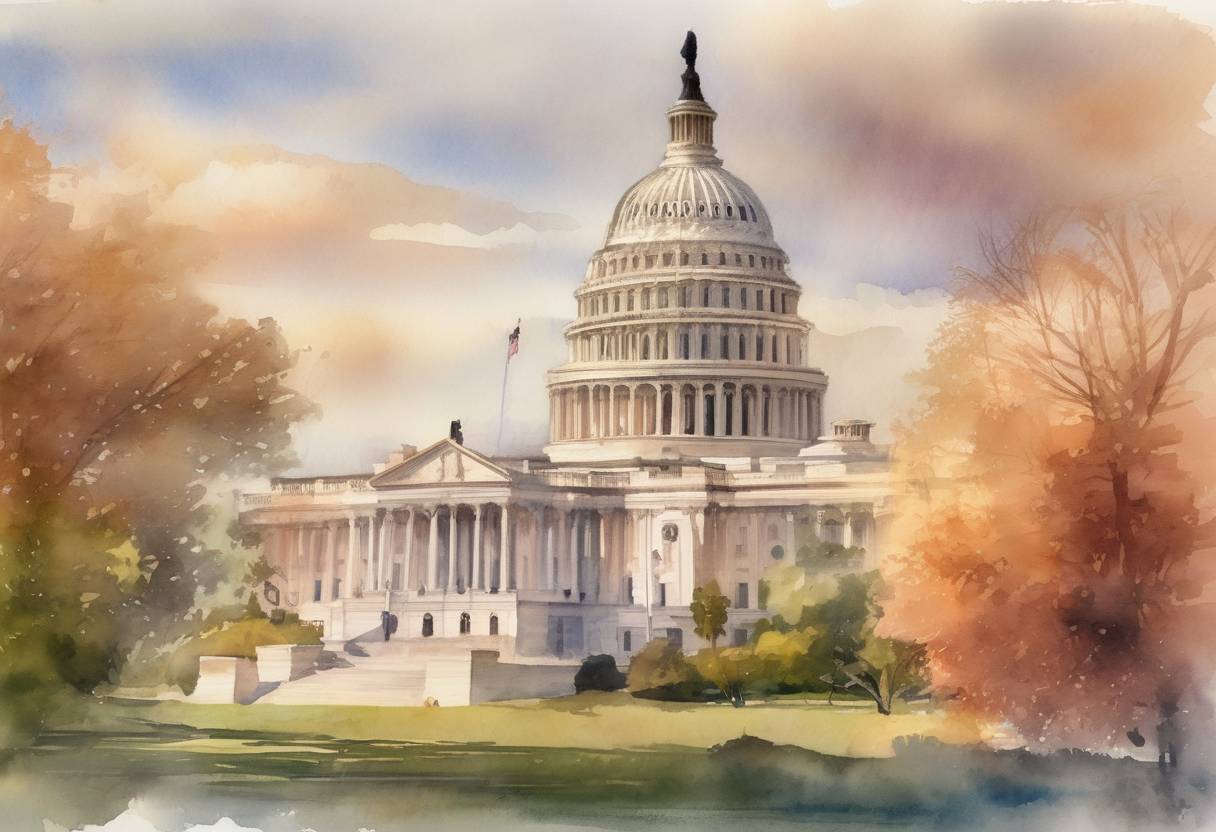
The Sunshine Protection Act: March 14, 2022
On March 14, 2022, the United States Senate passed a significant piece of legislation known as the Sunshine Protection Act. This bill aimed to make daylight saving time (DST) permanent across the country, effectively ending the biannual clock changes that have been a fixture in American life for decades.
Background
Daylight saving time was first implemented in the United States during World War I as a measure to conserve energy. It was standardized nationally with the Uniform Time Act of 1966, which established the practice of setting clocks forward one hour in the spring (“spring forward”) and back one hour in the fall (“fall back”). The rationale behind DST has traditionally been to make better use of daylight during the longer days of summer.
Key Provisions of the Act
The Sunshine Protection Act proposed to:
- Eliminate the need to change clocks twice a year by keeping the country on daylight saving time permanently.
- Allow for more daylight in the evening hours throughout the year, which proponents argue could lead to benefits such as reduced energy consumption, fewer traffic accidents, and improved mental health.
Legislative Journey
The bill was introduced by Senator Marco Rubio of Florida and garnered bipartisan support. It passed the Senate by unanimous consent, a procedure that allows for expedited consideration of legislation without a formal vote, indicating broad agreement among senators.
Broader Implications
The passage of the Sunshine Protection Act by the Senate was a significant step toward altering the longstanding practice of clock changes. However, for the bill to become law, it also needed to pass the House of Representatives and be signed by the President.
Potential Benefits
Proponents of the bill highlighted several potential advantages:
- Energy Savings: By extending daylight hours in the evening, the need for artificial lighting could be reduced.
- Public Health: More daylight in the evening could encourage outdoor activities, potentially improving physical and mental health.
- Economic Impact: Longer daylight hours could benefit retail and tourism industries by encouraging consumers to spend more time and money outside their homes.
Criticisms and Challenges
Despite its passage in the Senate, the bill faced criticism and challenges:
- Regional Differences: Some regions, particularly those in northern latitudes, might experience very late sunrises during winter months, which could affect morning routines.
- Historical Precedent: A similar experiment in the 1970s, during the energy crisis, was unpopular and eventually reversed due to concerns over dark winter mornings.
Conclusion
The Senate’s approval of the Sunshine Protection Act on March 14, 2022, marked a pivotal moment in the ongoing debate over daylight saving time in the United States. While the bill’s future depended on further legislative action, its passage reflected a growing interest in reevaluating and potentially modernizing timekeeping practices to better suit contemporary lifestyles and needs.