Al Gore Concedes the 2000 U.S. Presidential Election
2000 · Washington, D.C., United States
Al Gore conceded the U.S. presidential election to George W. Bush following a Supreme Court decision.
October 30, 2000
Justices of the Supreme Court of the United States heard preliminary arguments in the Bush v. Gore case, which would later determine the outcome of the 2000 presidential election.
Washington, D.C., United States | Supreme Court of the United States
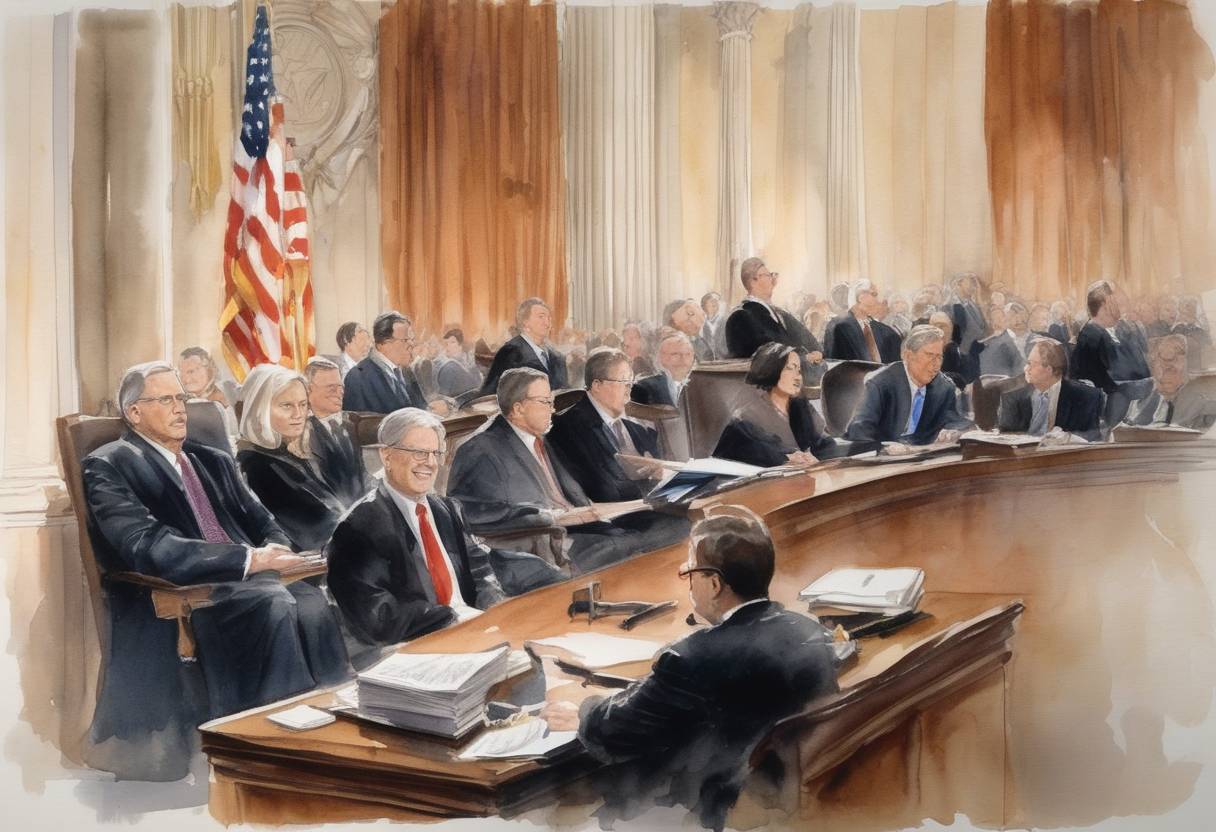
The preliminary arguments for the Bush v. Gore case, which played a pivotal role in determining the outcome of the United States presidential election of 2000, did not occur on October 30, 2000. The case actually arose after the contentious election held on November 7, 2000.
November 7, 2000: The presidential election takes place. The results in the state of Florida are exceedingly close, triggering a mandatory recount under state law.
November 26, 2000: The Florida Secretary of State certifies George W. Bush as the winner in Florida with a margin of 537 votes, out of approximately 6 million casts, prompting legal challenges from the Gore campaign.
Bush v. Palm Beach County Canvassing Board: On December 1, 2000, arguments in this related case are heard by the U.S. Supreme Court, setting the stage for the more decisive Bush v. Gore.
December 12, 2000: The United States Supreme Court delivers its decision in Bush v. Gore, effectively ending the recounts and thereby resolving the election in favor of George W. Bush.
Bush v. Gore was a landmark decision handed down on December 12, 2000. It was marked by the Supreme Court’s controversial 5-4 decision which effectively halted the statewide recounts ordered by the Florida Supreme Court. The issues mainly revolved around the interpretation of the Equal Protection Clause of the Fourteenth Amendment and the meeting of the “safe harbor” deadline dictated by federal law.
This marked a critical moment in American political and judicial history, as it directly influenced the outcome of the presidential election. The ruling had significant implications for the judicial branch’s role in elections and sparked extensive debate and discussion about future electoral processes and judicial impartiality.
The Bush v. Gore case is often cited as one of the most notable Supreme Court involvements in a presidential election, remembered for its far-reaching consequences on both electoral law and the public’s perception of the Court’s role in American democracy.
Source: www.oyez.org