Acquittal of Asia Bibi: October 31, 2018
2018 · Islamabad, Pakistan
The Supreme Court of Pakistan acquitted Asia Bibi, a Christian woman who had been on death row for blasphemy, sparking protests across the country.
April 5, 2022
Pakistan's Supreme Court began hearings to decide the legality surrounding Prime Minister Imran Khan's controversial decision to dissolve the National Assembly and call for early elections, following a political crisis where Khan faced a no-confidence vote.
Islamabad, Pakistan | Supreme Court of Pakistan
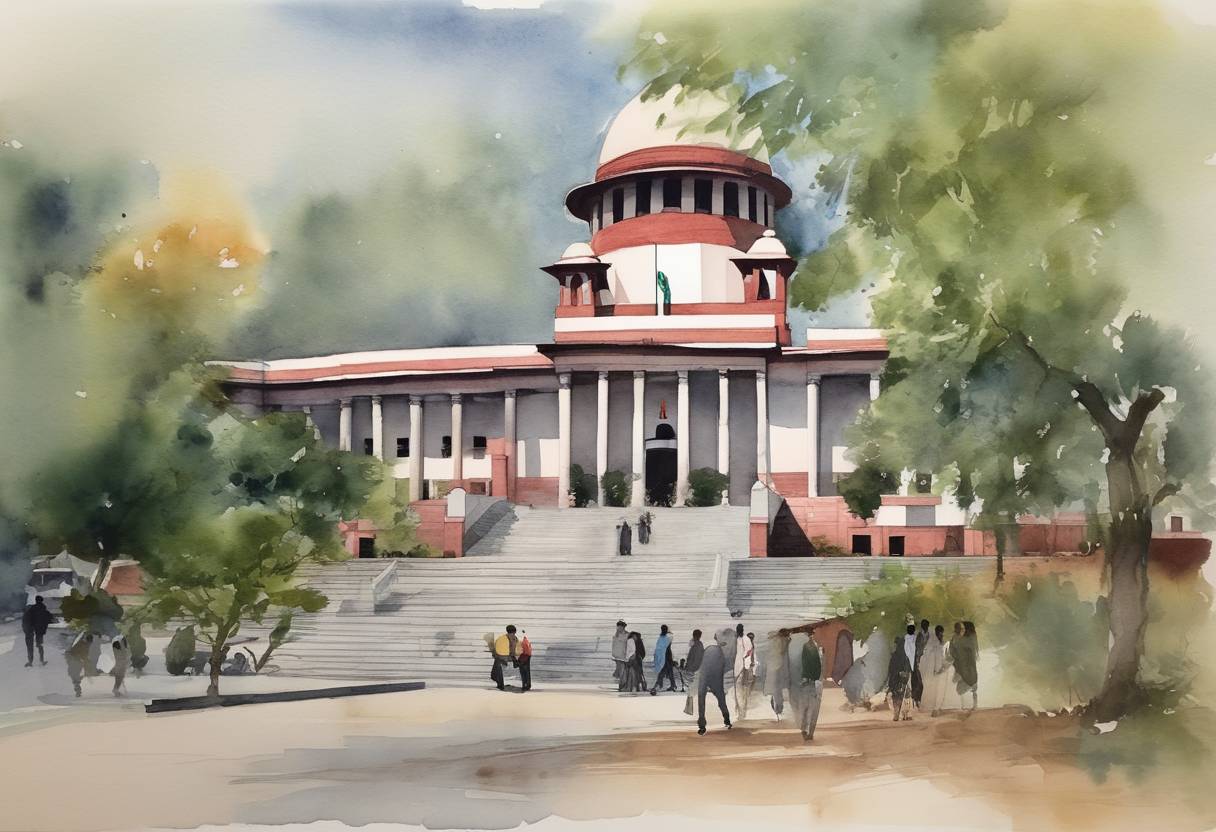
On April 5, 2022, Pakistan’s Supreme Court convened to deliberate over the legal implications of Prime Minister Imran Khan’s decision to dissolve the National Assembly. This move had precipitated a significant constitutional crisis in the country. The dissolution came amidst a political turmoil where Khan faced a no-confidence vote, which he seemed poised to lose as opposition parties rallied against him.
Prior to the Supreme Court’s involvement, Prime Minister Imran Khan had been navigating escalating political tensions. His leadership came under scrutiny due to economic challenges and allegations of mismanagement. In response to these challenges, opposition parties, including the Pakistan Muslim League (Nawaz) and the Pakistan People’s Party, initiated a no-confidence motion aimed at ousting him from office.
In a controversial maneuver, Khan’s government blocked the no-confidence vote on April 3, 2022, with the assistance of the Deputy Speaker of the National Assembly, who cited alleged foreign interference in Pakistan’s politics. Subsequently, Khan advised the President of Pakistan, Arif Alvi, to dissolve the National Assembly and call for early elections—a move seen by many critics as an unconstitutional circumvention of the parliamentary process.
The Supreme Court hearings that began on April 5 were pivotal, tasked with determining the constitutional legitimacy of the Prime Minister’s actions. The Chief Justice of Pakistan, Umar Ata Bandial, and a bench of judges listened to arguments from both government representatives and opposition parties.
Central to the legal debate was whether the Deputy Speaker’s decision to halt the no-confidence vote was constitutional. Additionally, questions were raised about whether the Prime Minister’s recommendations to dissolve the assembly and seek new elections violated democratic principles.
The Supreme Court’s decision held substantial implications for Pakistan’s democratic framework and the distribution of power within its government. It not only addressed the immediate political crisis but also set a precedent for the limits of executive authority, the role of parliamentary procedures, and the judiciary’s involvement in political matters.
The decision was highly anticipated both domestically and internationally, reflecting the delicate balance between democratic governance and constitutional order in Pakistan. The hearings underscored the judiciary’s critical role in maintaining the rule of law amidst political discord.
Source: www.aljazeera.com