End of the Ebola Outbreak in the Democratic Republic of the Congo - July 13, 2018
2018 · Kinshasa, Democratic Republic of the Congo
The World Health Organization declared the end of the Ebola outbreak in the Democratic Republic of the Congo.
January 7, 2019
The Democratic Republic of the Congo held its presidential election, with results announced on January 10, leading to the election of Félix Tshisekedi as President.
Kinshasa, Democratic Republic of the Congo | Independent National Electoral Commission
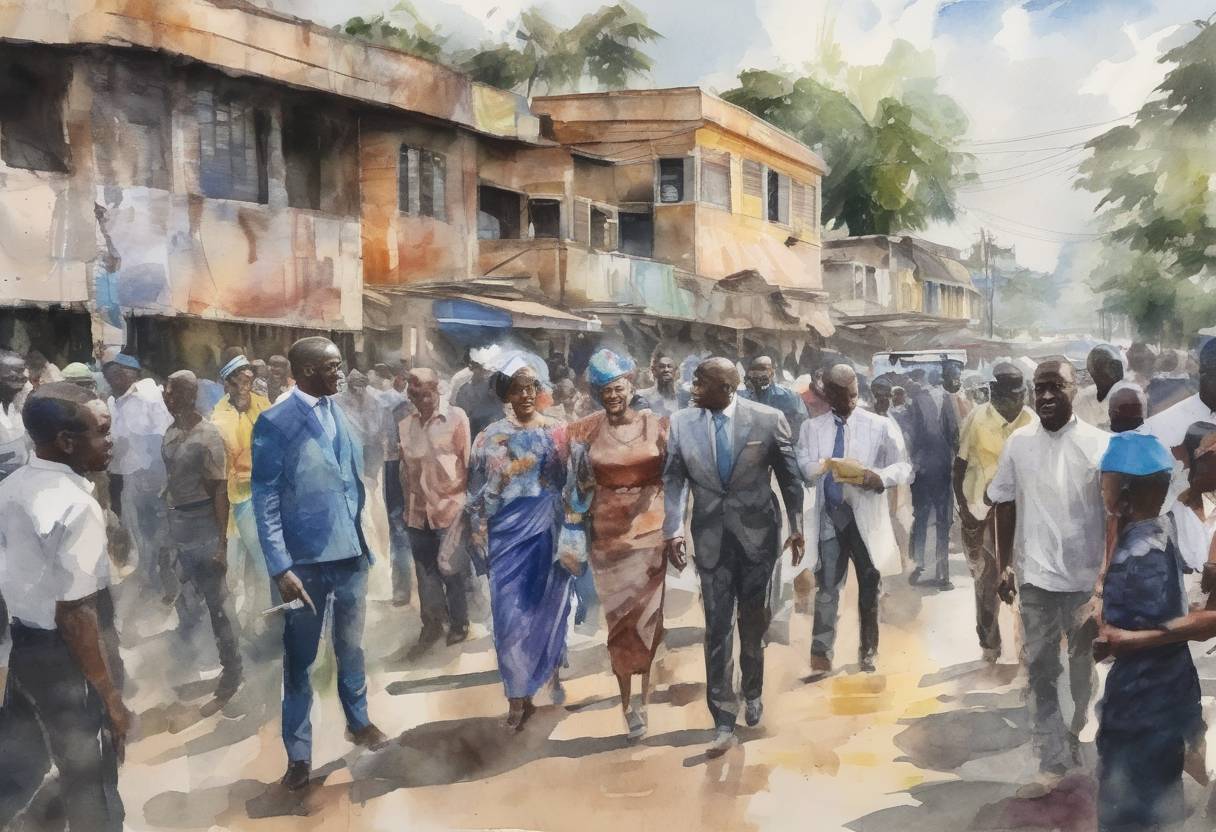
The Democratic Republic of the Congo (DRC) held its presidential election on December 30, 2018. This election was significant as it marked the first peaceful transfer of power in the DRC since its independence from Belgium in 1960. The election was originally scheduled for 2016 but was delayed multiple times, leading to political unrest and protests.
The election took place amid logistical challenges, including issues with voter registration and the use of electronic voting machines, which were controversial. Despite these challenges, the election proceeded, and the results were announced on January 10, 2019.
The announcement of Tshisekedi’s victory was met with mixed reactions:
Félix Tshisekedi’s election marked a historic moment for the DRC, as it was the first peaceful transition of power through an election. Despite controversies, it was a step towards democratic consolidation in a country with a history of political instability and conflict. Tshisekedi’s presidency began with promises of reform and national unity, setting a new course for the DRC’s future.
Source: en.wikipedia.org