The Treaty of Córdoba: Confirming Mexico's Independence
1821 · Córdoba, Mexico
The Treaty of Córdoba is signed, ratifying the Plan of Iguala and confirming Mexico's independence from Spain.
February 24, 1821
Agustín de Iturbide and Vicente Guerrero proclaimed the Plan of Iguala, which laid the foundation for Mexican independence from Spain, emphasizing the principles of religion, independence, and unity.
Iguala, Mexico | Mexican independence movement
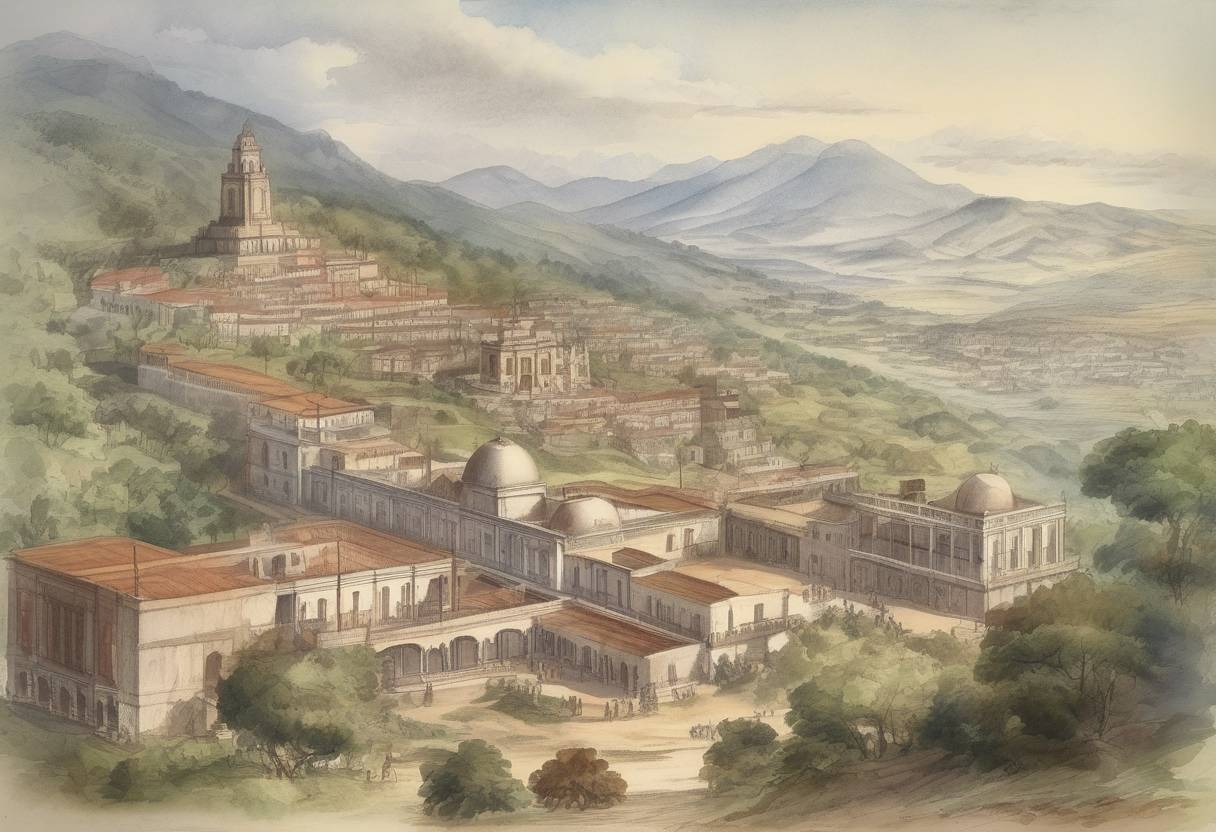
On February 24, 1821, Agustín de Iturbide and Vicente Guerrero proclaimed the Plan of Iguala, a pivotal document that laid the foundation for Mexico’s independence from Spanish rule. This plan was instrumental in unifying various factions within Mexico and setting the stage for the country’s eventual independence.
The early 19th century was a period of significant upheaval in Latin America, with many colonies seeking independence from European powers. In Mexico, the struggle for independence had been ongoing since 1810, marked by the initial uprising led by Miguel Hidalgo and later by José María Morelos. Despite these efforts, internal divisions and strong Spanish resistance had hindered the independence movement.
Agustín de Iturbide: A former royalist officer, Iturbide initially fought against the independence movement. However, recognizing the changing political landscape and the weakening of Spanish control, he shifted his allegiance and became a leading figure in the push for independence.
Vicente Guerrero: A prominent insurgent leader, Guerrero had been a steadfast advocate for Mexican independence. His collaboration with Iturbide was crucial in bridging the gap between royalists and insurgents.
The Plan of Iguala, also known as the “Plan of the Three Guarantees,” was a strategic blueprint for achieving Mexican independence. It was based on three core principles:
Religion: The plan called for the preservation of Roman Catholicism as the official religion of Mexico, reflecting the deep-rooted influence of the Church in Mexican society.
Independence: Iturbide and Guerrero advocated for the complete independence of Mexico from Spanish rule, establishing a sovereign nation.
Unity: The plan emphasized the importance of unity among all social and ethnic groups in Mexico, proposing equality between Spaniards and Creoles, as well as other racial groups.
The Plan of Iguala was a unifying force, bringing together disparate factions that had previously been at odds. It garnered widespread support and led to the formation of the Army of the Three Guarantees, which played a crucial role in the final push for independence.
The plan’s proclamation set off a chain of events that culminated in the signing of the Treaty of Córdoba on August 24, 1821, which officially recognized Mexican independence. Agustín de Iturbide briefly became Emperor of Mexico, although his reign was short-lived, and the country soon transitioned to a republic.
The Plan of Iguala was a landmark in the history of Mexico, symbolizing a successful compromise that brought together various social and political groups. It marked the beginning of a new era for Mexico, as it navigated the challenges of establishing a stable and independent nation.
The principles outlined in the plan—religion, independence, and unity—continued to influence Mexican politics and society in the years following independence, shaping the nation’s identity and its path forward.
Source: en.wikipedia.org