Iceland's Sovereignty: The Act of Union on December 1, 1918
1918 · Reykjavik, Iceland
Iceland became a sovereign state under the Danish crown with the signing of the Act of Union.
June 23, 0930
The Alþingi, the national parliament of Iceland, was established at Þingvellir. It is one of the oldest parliaments in the world.
Þingvellir, Iceland | Alþingi
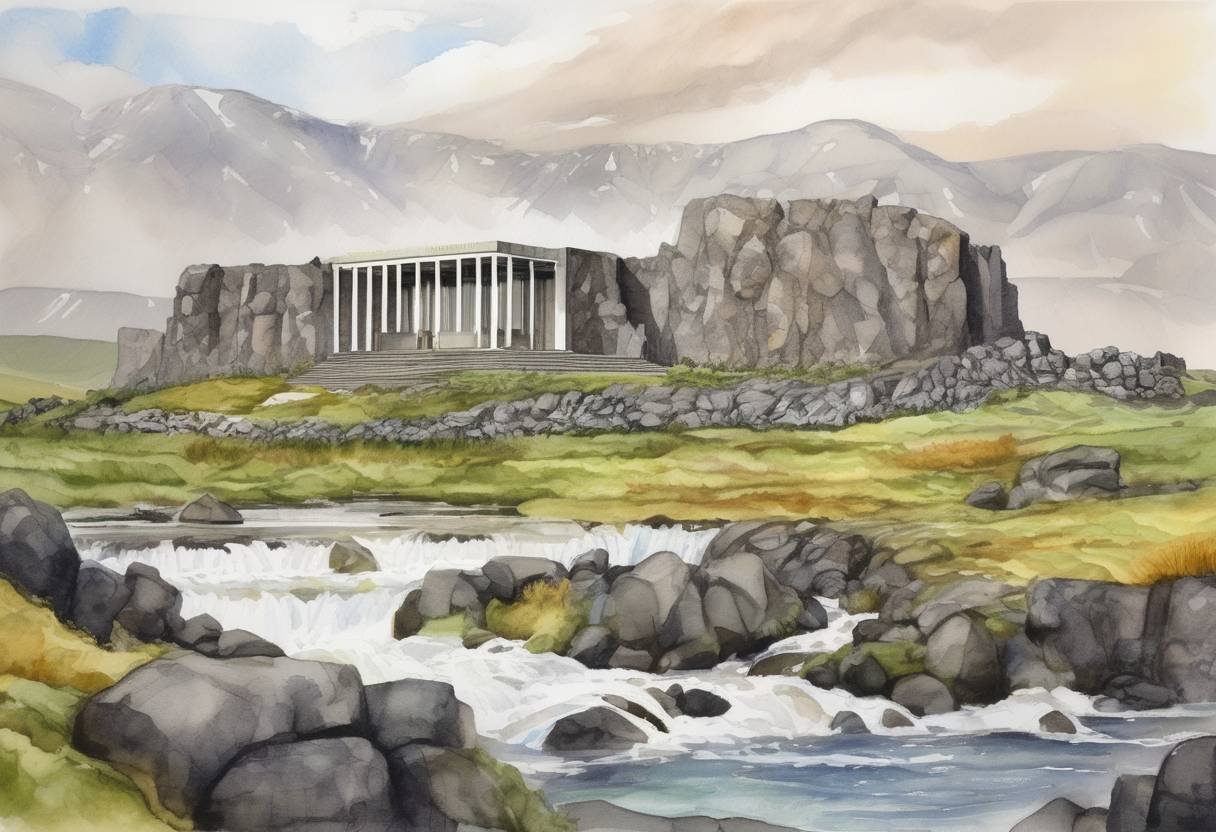
On June 23, 930, the Alþingi, the national parliament of Iceland, was established at Þingvellir. This event marked the creation of one of the oldest parliamentary institutions in the world, a significant milestone in the development of democratic governance.
The establishment of the Alþingi occurred during a period of settlement in Iceland, which began around 874 AD when Norse settlers, primarily from Norway, arrived on the island. By the early 10th century, the need for a unified legal and political framework became apparent as the population grew and disputes arose.
The Alþingi was founded as a general assembly, where chieftains and free men from across Iceland would gather annually. The location, Þingvellir, was chosen for its accessibility and natural amphitheater-like setting, which facilitated large gatherings. The assembly served multiple functions:
The Alþingi was composed of the Law Council (Lögrétta), which included chieftains known as goðar, and the Lawspeaker (lögsögumaður), who recited and interpreted the laws. The Alþingi operated as a form of direct democracy, where free men could participate in decision-making processes.
The Alþingi’s establishment is a testament to the early development of democratic principles in Iceland. It functioned continuously until 1799, when it was temporarily suspended, and was reestablished in 1845 in Reykjavík as a modern legislative body.
Today, the Alþingi is celebrated as a symbol of Icelandic national identity and democratic tradition. Its historical significance is recognized globally, and Þingvellir is a UNESCO World Heritage Site, reflecting its importance in world history.
The founding of the Alþingi at Þingvellir on June 23, 930, represents a pivotal moment in the history of governance. It laid the groundwork for parliamentary systems and continues to inspire democratic practices worldwide.
Source: en.wikipedia.org