Election of Pope Nicholas I on April 24, 858
858 · Rome, Italy
Pope Nicholas I is elected as the 105th pope of the Catholic Church.
February 11, 0824
Pope Paschal I, who served as the head of the Catholic Church from 817 to 824, passed away.
Rome, Italy | Catholic Church
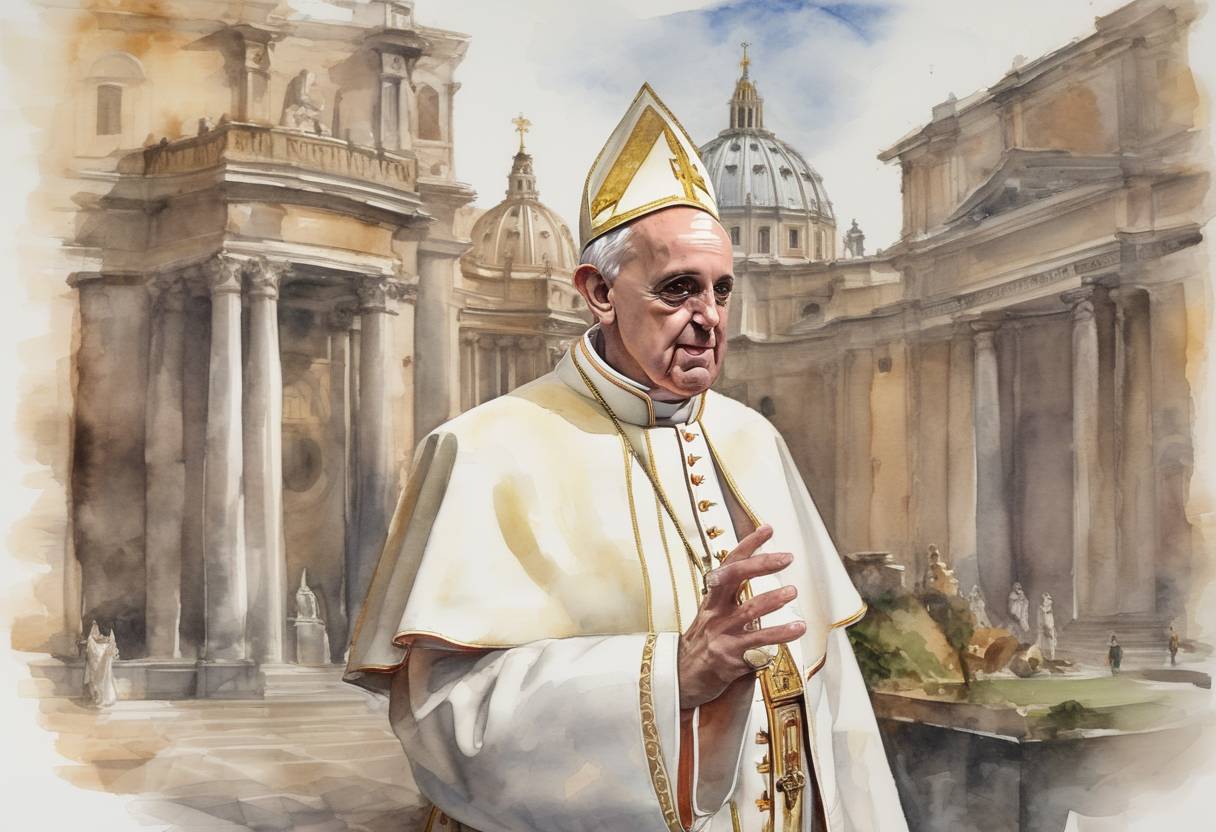
Pope Paschal I served as the head of the Catholic Church from 817 until his death on February 11, 824. His papacy occurred during a period marked by significant political and religious challenges, as well as cultural developments within the Carolingian Empire.
Paschal was born in Rome, although the exact date of his birth remains unclear. Before becoming pope, he served as a priest and was known for his dedication to the Church. He was elected pope on January 25, 817, succeeding Pope Stephen IV. His election was confirmed by the Roman clergy and nobility, reflecting the political dynamics of the time, which often involved the influence of the Carolingian rulers.
Paschal’s papacy was closely tied to the Carolingian Empire, particularly with Emperor Louis the Pious. The relationship between the papacy and the empire was crucial, as it involved mutual support and influence. Paschal sought to maintain the Church’s independence while navigating the political landscape dominated by the Carolingians.
Church Building and Renovation: Pope Paschal I is noted for his contributions to the architectural and artistic heritage of Rome. He initiated the construction and renovation of several churches, including the Basilica of Santa Prassede and the Basilica of Santa Cecilia in Trastevere. These projects were part of his efforts to revitalize the city and enhance its religious significance.
Promotion of Monasticism: Paschal was a proponent of monastic life and worked to strengthen monastic institutions. He supported the spread of the Benedictine rule, which played a crucial role in the spiritual and cultural life of medieval Europe.
Conflict with the Byzantine Empire: During his papacy, Paschal faced tensions with the Byzantine Empire, particularly over the issue of iconoclasm. The Byzantine Emperor Leo V had reinstated the policy of iconoclasm, which Paschal opposed, leading to strained relations between Rome and Constantinople.
Political Intrigues: Paschal’s papacy was not without controversy. He was accused of being involved in the execution of two Roman officials, Theodore and Leo, who were suspected of plotting against him. Although Paschal denied any involvement, the incident marred his reputation.
Pope Paschal I died on February 11, 824. He was buried in the Basilica of Santa Prassede, one of the churches he had restored. His papacy is remembered for its architectural contributions and the complex interplay between the papacy and the political powers of the time. Despite the controversies, Paschal’s efforts to enhance the religious and cultural life of Rome left a lasting impact on the city and the Church.
In summary, Pope Paschal I’s tenure was characterized by his dedication to the Church’s spiritual and cultural mission, his navigation of political challenges, and his enduring architectural legacy.