Vincent van Gogh's Posthumous Exhibition in Paris - March 17, 1901
1901 · Paris, France
A showing of 71 Vincent van Gogh paintings in Paris, 11 years after his death, created a sensation and established his reputation as a great artist.
August 21, 1911
The Mona Lisa is stolen from the Louvre by a museum employee.
Paris, France | Louvre Museum
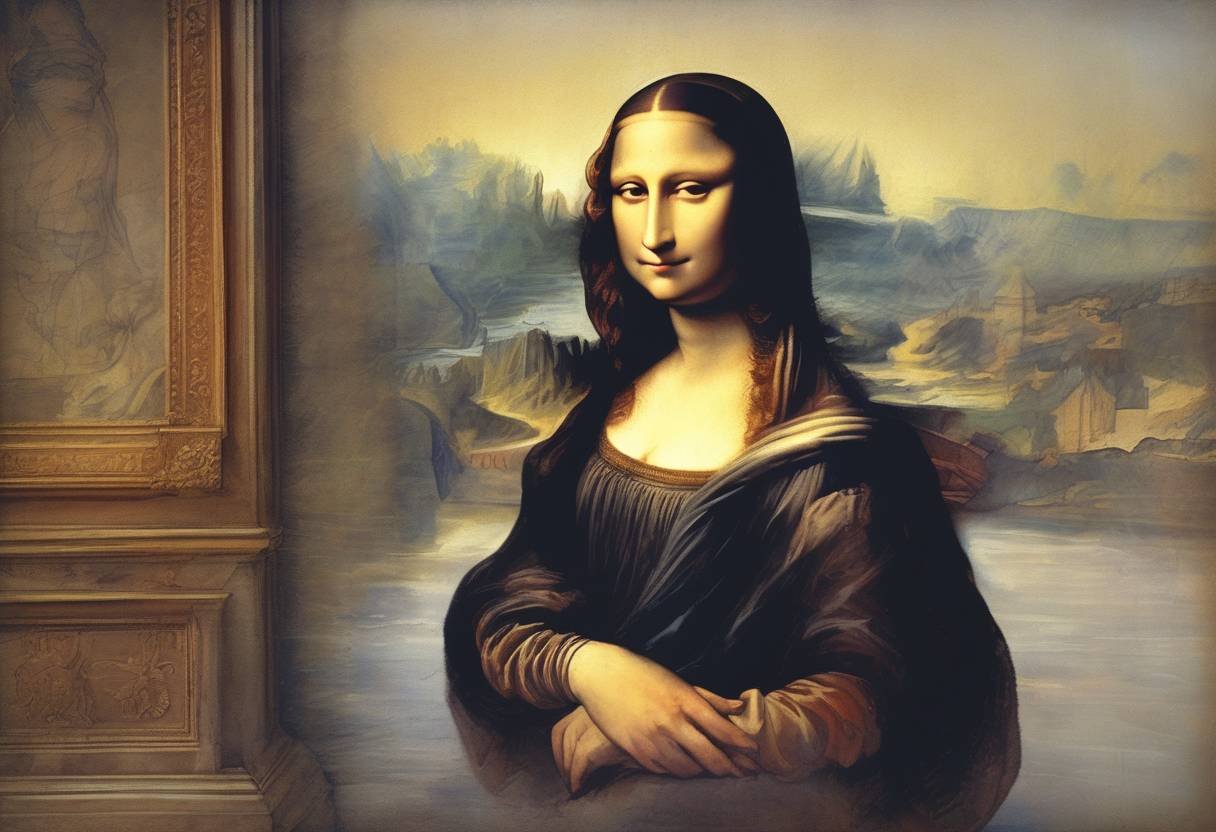
On August 21, 1911, one of the most audacious art heists in history occurred when the Mona Lisa, Leonardo da Vinci’s iconic masterpiece, was stolen from the Louvre Museum in Paris. This event not only shocked the art world but also captivated the public’s imagination, turning the painting into an international sensation.
The Mona Lisa, painted by Leonardo da Vinci in the early 16th century, had been part of the French royal collection since King Francis I acquired it. By the early 20th century, it was housed in the Louvre, where it was admired by visitors from around the world. Despite its fame, security measures at the museum were relatively lax by today’s standards.
The theft was orchestrated by Vincenzo Peruggia, an Italian handyman and painter who had previously worked at the Louvre. Peruggia believed that the painting belonged in Italy and should not be kept in France. On the morning of August 21, 1911, he entered the museum disguised as a worker, wearing a white smock similar to those worn by museum staff.
Taking advantage of the museum’s closure to the public on Mondays, Peruggia hid inside overnight. The following morning, he removed the painting from its frame and concealed it under his smock. He then exited the museum through a side door, remarkably without raising suspicion.
The theft was not discovered until the next day, when a painter visiting the gallery noticed the empty space on the wall. The Louvre was closed for a week as police conducted an investigation. The theft made headlines worldwide, and the Mona Lisa’s absence only increased its mystique and fame.
For over two years, the painting’s whereabouts remained unknown. In 1913, Peruggia attempted to sell the Mona Lisa to an art dealer in Florence, Italy. The dealer, suspicious of the offer, contacted the authorities, leading to Peruggia’s arrest. The painting was recovered and returned to the Louvre in January 1914.
The theft of the Mona Lisa had several lasting impacts:
Today, the Mona Lisa remains one of the most visited and recognized artworks in the world, its enigmatic smile continuing to draw millions of admirers each year. The story of its theft adds an intriguing chapter to its storied history.
Source: en.wikipedia.org