Grenfell Tower Fire - June 14, 2017
2017 · London, United Kingdom
A fire broke out in the Grenfell Tower, a residential high-rise building in North Kensington, London, resulting in 72 fatalities.
June 15, 2017
A fire in a high-rise apartment building in London, known as the Grenfell Tower fire, results in 72 deaths and prompts widespread scrutiny of building regulations and fire safety.
London, United Kingdom | London Fire Brigade
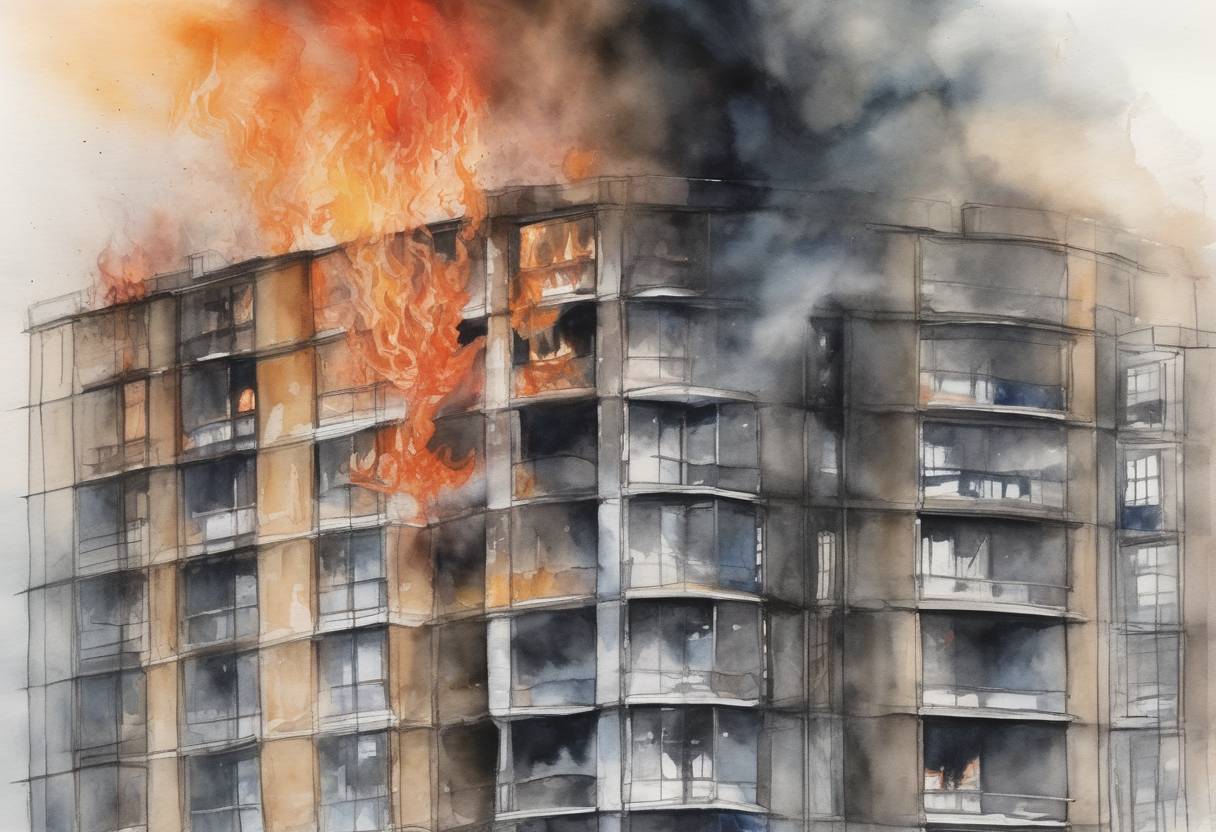
On June 14, 2017, a devastating fire broke out in Grenfell Tower, a 24-story residential high-rise in North Kensington, West London. The fire resulted in 72 fatalities and became one of the deadliest structural fires in the United Kingdom in decades. The tragedy unfolded in the early hours of the morning and quickly escalated, engulfing the building in flames.
Grenfell Tower was constructed in 1974 as part of the Lancaster West Estate. It contained 129 apartments and housed hundreds of residents. In 2016, the building underwent a refurbishment that included the installation of new cladding, which was later found to have contributed significantly to the rapid spread of the fire.
The fire started shortly before 1:00 AM on June 14, reportedly due to a malfunctioning refrigerator in a fourth-floor apartment. The flames quickly spread to the building’s exterior, fueled by the newly installed cladding and insulation materials, which were not adequately fire-resistant. The fire’s rapid progression trapped many residents inside their apartments, leading to a catastrophic loss of life.
The London Fire Brigade responded swiftly, with over 250 firefighters and 70 fire engines deployed to the scene. Despite their efforts, the fire continued to rage for over 24 hours before being brought under control. The building’s design, combined with the flammable cladding, posed significant challenges to the firefighting efforts.
The Grenfell Tower fire prompted widespread scrutiny of building regulations and fire safety standards in the UK. An inquiry was launched to investigate the causes of the fire and the factors that contributed to its severity. The inquiry revealed numerous failures in building safety regulations, including the use of combustible cladding and inadequate fire safety measures.
The tragedy also highlighted broader issues of social inequality and neglect of public housing residents. It led to a national conversation about the safety and quality of housing for low-income communities.
The Grenfell Tower fire had a profound impact on fire safety regulations in the UK and beyond. It prompted a review of building codes and led to changes in legislation to improve fire safety standards. The disaster served as a stark reminder of the importance of rigorous safety measures and the need for accountability in housing management.
In memory of the victims, the Grenfell Tower fire remains a symbol of the urgent need for reform in housing safety and social justice. The ongoing inquiry and legal proceedings continue to seek justice for the victims and their families, ensuring that such a tragedy is never repeated.
Source: www.bbc.com