The Atomic Bombing of Hiroshima: August 6, 1945
1945 · Hiroshima, Japan
The United States dropped an atomic bomb on Hiroshima, Japan, during World War II, marking the first use of nuclear weapons in warfare.
May 27, 2016
President Barack Obama becomes the first sitting U.S. president to visit Hiroshima, Japan, where he calls for a world without nuclear weapons.
Hiroshima, Japan | United States government
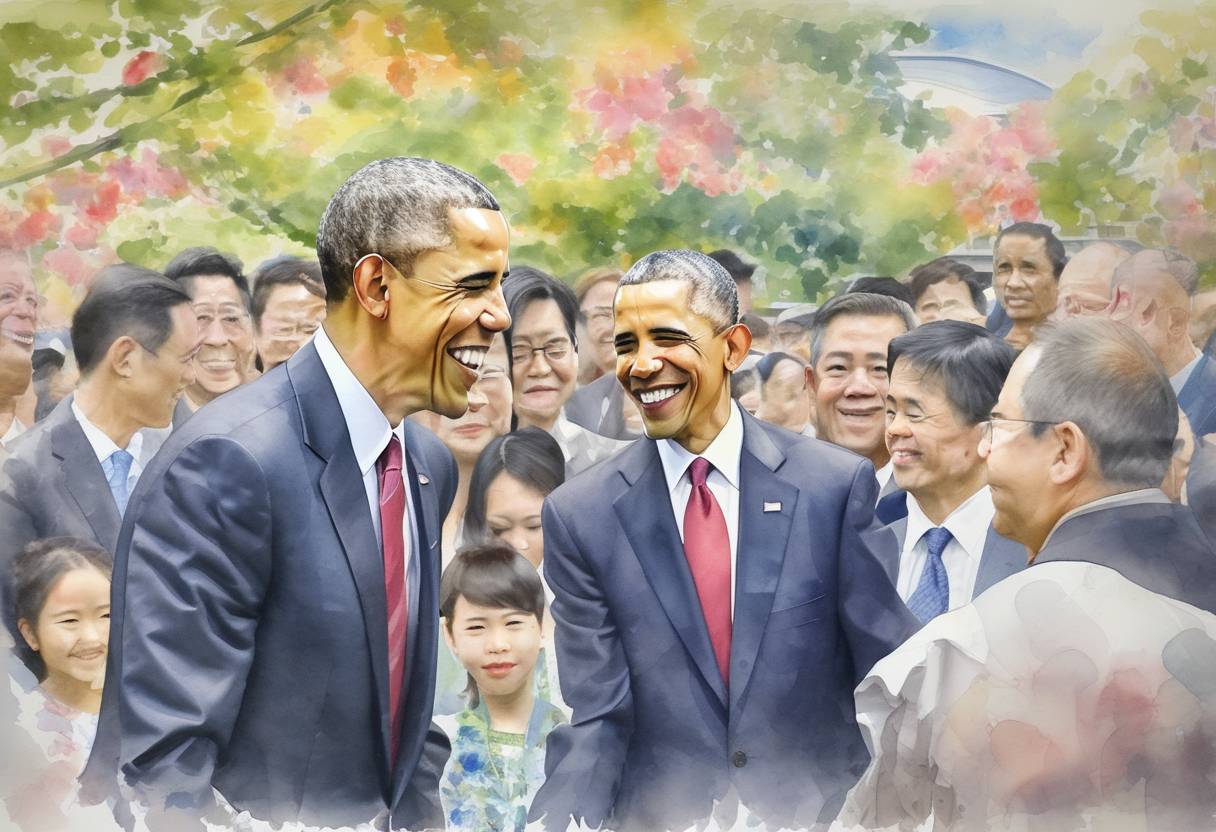
On May 27, 2016, President Barack Obama made history as the first sitting U.S. president to visit Hiroshima, Japan. This visit marked a significant moment in U.S.-Japan relations and global nuclear disarmament efforts.
Hiroshima’s Historical Significance: On August 6, 1945, during World War II, the United States dropped an atomic bomb on Hiroshima, resulting in the deaths of approximately 140,000 people by the end of that year. This event, along with the bombing of Nagasaki three days later, played a crucial role in Japan’s surrender and the end of World War II.
U.S.-Japan Relations: Since the end of World War II, the United States and Japan have developed a strong alliance. However, the legacy of the atomic bombings has remained a sensitive topic.
Purpose: President Obama’s visit to Hiroshima was part of a broader effort to promote nuclear disarmament and reflect on the consequences of nuclear warfare. It followed his 2009 Prague speech, where he outlined his vision for a world without nuclear weapons.
The Ceremony: During the visit, President Obama participated in a solemn ceremony at the Hiroshima Peace Memorial Park. He laid a wreath at the cenotaph, which honors the victims of the atomic bombing.
Obama’s Speech: In his address, President Obama called for a world without nuclear weapons, emphasizing the need for humanity to learn from the past and strive for peace. He acknowledged the suffering caused by the bombing and highlighted the shared responsibility of nations to prevent such tragedies in the future.
Diplomatic Impact: The visit was seen as a gesture of reconciliation and a reaffirmation of the strong ties between the U.S. and Japan. It was well-received by many in Japan and around the world, although some critics noted the absence of an apology for the bombings.
Nuclear Disarmament: Obama’s visit underscored his administration’s commitment to nuclear non-proliferation and disarmament, although progress in these areas faced significant challenges during and after his presidency.
Legacy: The visit to Hiroshima remains a symbolic moment in the ongoing dialogue about nuclear weapons and their role in international security. It highlighted the importance of historical reflection in shaping future policies and international relations.
In summary, President Obama’s visit to Hiroshima on May 27, 2016, was a momentous occasion that reinforced the call for nuclear disarmament and strengthened the bond between the United States and Japan. It served as a poignant reminder of the devastating impact of nuclear warfare and the enduring quest for global peace.
Source: www.bbc.com