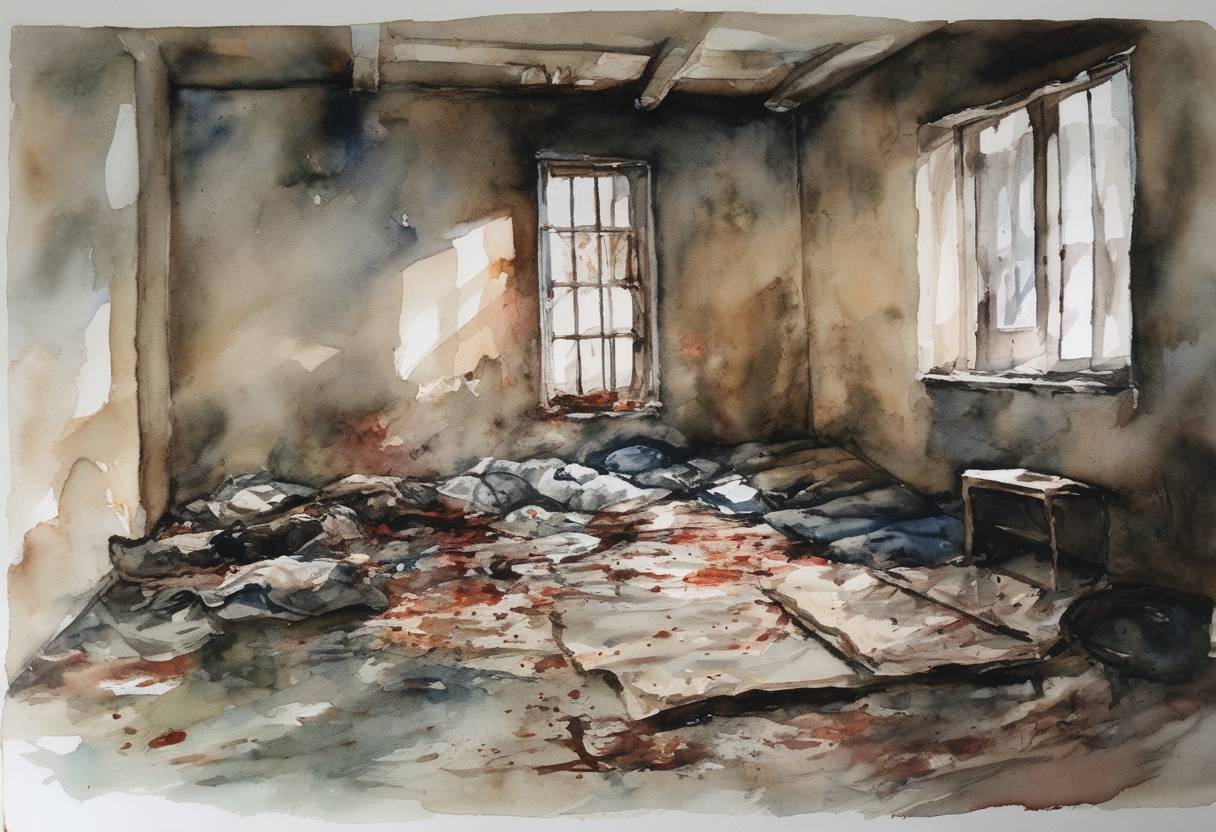
Beslan School Hostage Crisis: Second Day - September 2, 2004
The Beslan school hostage crisis, which began on September 1, 2004, tragically extended into its second day on September 2. This pivotal day was marked by escalating tensions and a continued standoff between Russian security forces and the hostage-takers, in an event that would significantly influence Russia’s future counter-terrorism strategies.
Background
The crisis commenced when a group of armed terrorists, demanding the independence of Chechnya, stormed School No. 1 in Beslan, North Ossetia-Alania (Russia). Over 1,100 hostages, including children, parents, and staff, were held captive in the school’s gymnasium, which was heavily fortified with explosive devices by the hostage-takers. The assailants were motivated by the broader conflicts involving Chechen separatists and the Russian government.
Key Events on September 2, 2004
- Continued Standoff: Negotiations between the Russian authorities and the captors took place, but little progress was made. The crisis remained at a stalemate throughout the day.
- Humanitarian Conditions: Inside the school, conditions rapidly deteriorated. Hostages were reported to be suffering from dehydration and hunger, as food and water were largely prohibited by the hostage-takers. The captors allowed only minimal humanitarian aid but refused any substantial deliveries of necessities.
- Negotiations and Tensions: Sporadic attempts to negotiate continued, including talks involving prominent Russian figures and regional leaders. However, the demands of the assailants — which included the withdrawal of Russian troops from Chechnya — were unmet, contributing to the fraught situation.
- Psychological Warfare: The hostage-takers used psychological tactics to instill fear, such as shooting into the ceiling to instill a sense of urgency and threat among the captives and negotiators.
Broader Context
The crisis was embedded in the ongoing Chechen conflict, which had seen a resurgence of hostilities in the early 2000s. Russia had been dealing with an upswing in domestic terrorism linked to separatist movements, challenging its security forces and political policies.
Aftermath and Impact
The events of September 2 set the stage for the tragic outcome the following day when the stalemate broke into chaos. The Beslan crisis prompted a reevaluation of Russia’s counter-terrorism approaches, leading to increased centralization of anti-terror efforts under the Russian government. Furthermore, it triggered significant changes in school security protocols and national emergency response strategies across Russia, aiming to prevent similar tragedies.
The Beslan tragedy highlighted the devastating impact of terrorism on civilians, particularly children, and remains a somber reminder of the complex interplay between militant insurgencies and state responses.