Renaming of Petrograd to Leningrad
1924 · Leningrad, Soviet Union
The Russian city of Petrograd was renamed Leningrad in honor of Lenin.
October 7, 1952
Vladimir Putin, the future President of Russia, was born.
Leningrad, Soviet Union
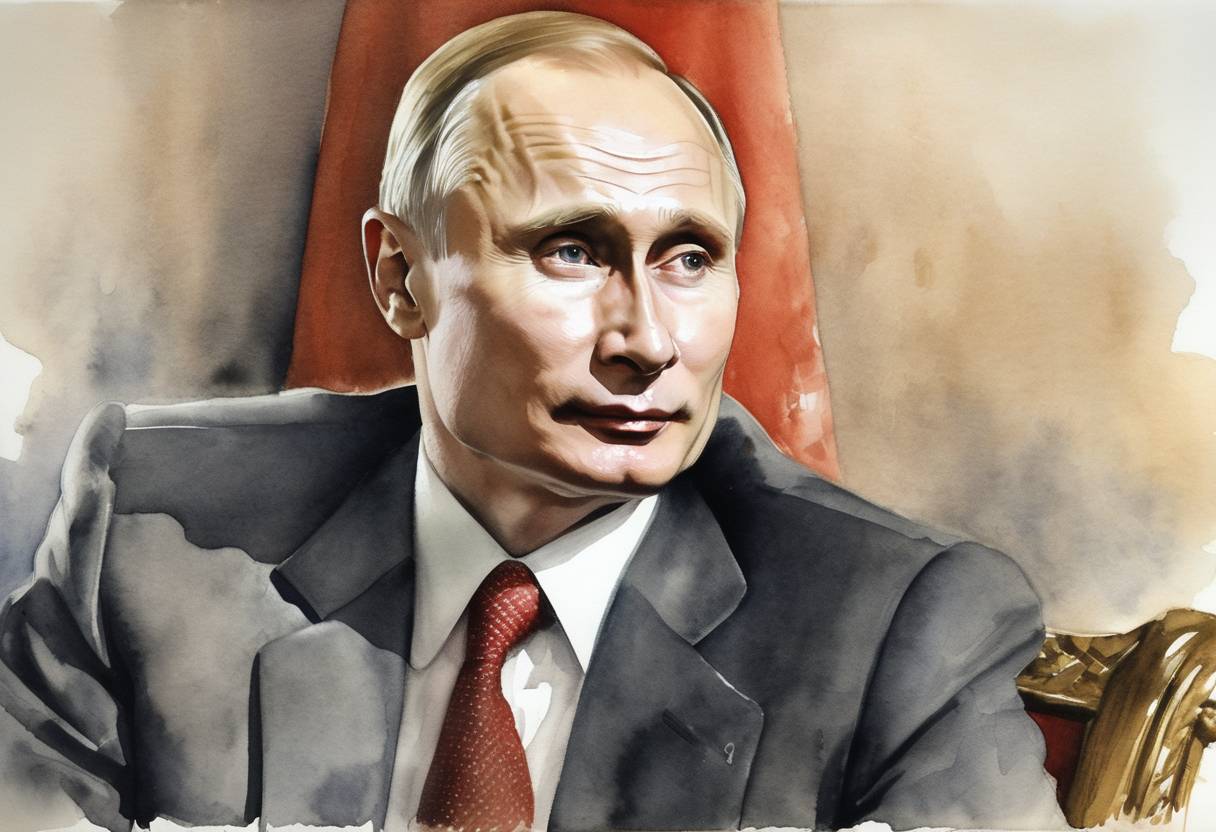
Vladimir Vladimirovich Putin, who would later become a prominent figure in global politics as the President of Russia, was born on October 7, 1952, in Leningrad, Soviet Union, modern-day Saint Petersburg, Russia. Born to a working-class family, his father, Vladimir Spiridonovich Putin, was a conscript in the Soviet Navy and participated in the Second World War. His mother, Maria Ivanovna Putina, worked in a factory and survived the Siege of Leningrad during the war.
Leningrad, Putin’s birthplace, was a city deeply marked by the catastrophic events of the Second World War, particularly the prolonged siege by Nazi Germany. The city played a significant role in the Soviet Union’s wartime defense efforts and later emerged as a vital industrial, scientific, and cultural hub in post-war USSR. Vladimir Putin’s early years were shaped by the legacy of resilience and recovery in this environment.
Putin’s birth in 1952 places it within the broader context of the Soviet Union’s post-war recovery and the epoch of the Cold War. Growing up during this time, Putin would eventually enter the political and intelligence spheres of a country navigating the complex dynamics of a world divided by ideological conflict.
As an adult, Putin joined the KGB, the main security agency for the Soviet Union, and served until the collapse of the USSR. His subsequent rise through the political ranks led to his eventual appointment as Prime Minister and later President of Russia, playing a pivotal role in the post-Soviet transformation of Russia’s political landscape.
Vladimir Putin’s policies and leadership have profoundly influenced Russia’s trajectory in the 21st century, including efforts to restore its status as a global power, economic reforms, and controversial domestic and international strategies that have impacted global geopolitics. Understanding his early life and the environment he was born into offers valuable insights into the factors that shaped his leadership style and political outlook.
Putin’s birth and eventual evolution into a central figure in international diplomacy and Russian governance highlight the intricate intertwining of personal history and broad historical currents. His life and career remain subjects of extensive analysis and debate among historians, political scientists, and international relations experts today.
Source: en.wikipedia.org