1799 · Paris, France
Napoleon Bonaparte leads the Coup of 18 Brumaire which ultimately results in the overthrow of the French Directory and the establishment of the French Consulate.
November 8, 1793
The Louvre Museum in Paris opened to the public for the first time as a museum, showcasing a collection of 537 paintings.
Paris, France | French government
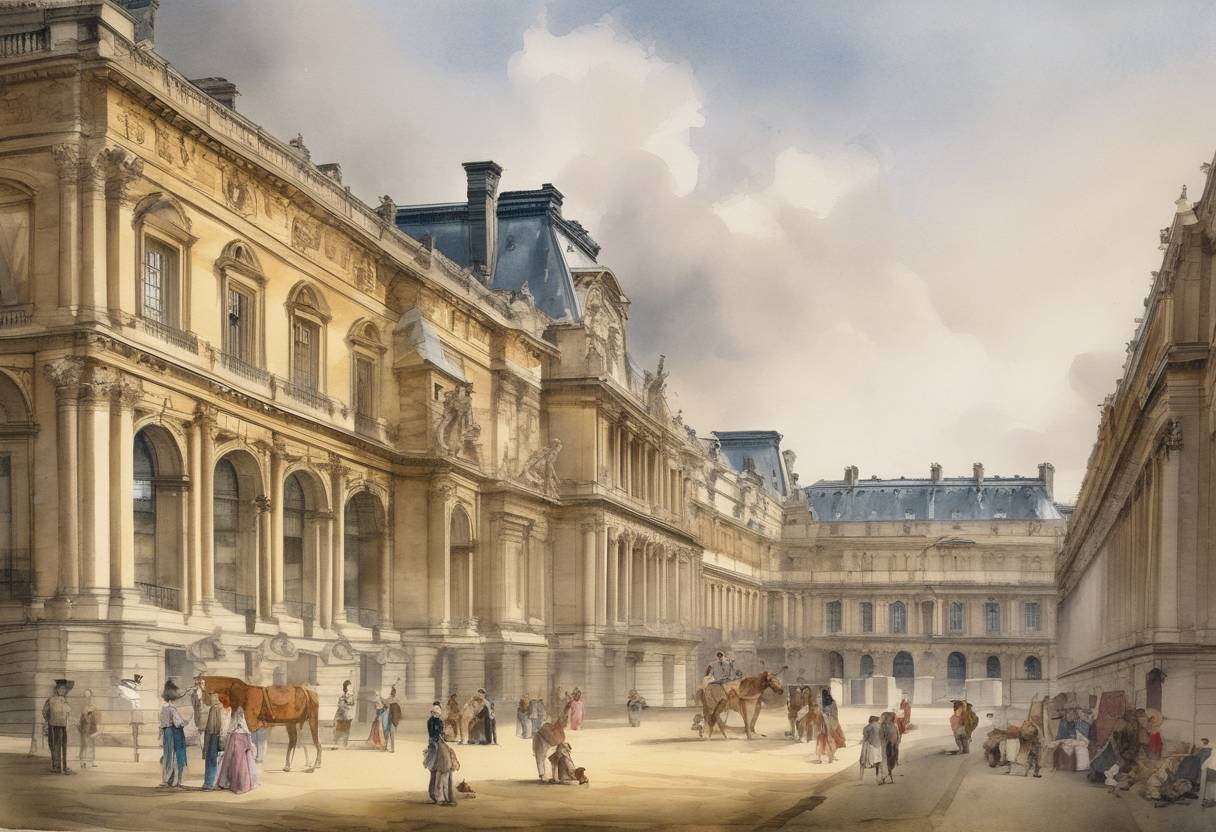
On November 8, 1793, the Louvre Museum in Paris opened its doors to the public for the first time as a museum. This marked a significant transformation from its origins as a royal palace to a public institution dedicated to art and culture. The opening of the Louvre as a museum was a pivotal moment in the democratization of art, making it accessible to the general public rather than being confined to the aristocracy and royalty.
Origins as a Royal Palace: The Louvre was originally constructed as a fortress in the late 12th century under King Philip II. It was later transformed into a royal residence by King Francis I in the 16th century. Over the centuries, it underwent numerous renovations and expansions, becoming a symbol of royal power and prestige.
French Revolution: The transformation of the Louvre into a public museum was largely influenced by the French Revolution, which began in 1789. The revolutionaries sought to repurpose royal and church properties for the benefit of the nation. The idea was to create a “museum for the people,” reflecting the revolutionary ideals of liberty, equality, and fraternity.
Initial Collection: When the Louvre opened as a museum, it showcased a collection of 537 paintings. These works were primarily sourced from the royal collections, which included masterpieces by renowned artists such as Leonardo da Vinci, Raphael, and Titian.
Public Access: The opening of the Louvre to the public was a radical departure from its previous status as a private royal collection. It allowed ordinary citizens to view and appreciate art, fostering a greater appreciation for cultural heritage and artistic achievement.
Cultural Impact: The Louvre’s transition to a public museum set a precedent for other museums around the world. It became a model for how art could be used to educate and inspire the public, rather than serve as a symbol of exclusivity and privilege.
Expansion and Growth: Over the years, the Louvre’s collection has grown exponentially, becoming one of the largest and most visited museums in the world. It now houses over 380,000 objects, including iconic works such as the “Mona Lisa” and the “Venus de Milo.”
Symbol of National Pride: The Louvre has become a symbol of French cultural pride and a testament to the enduring power of art to transcend social and political boundaries.
The opening of the Louvre Museum in 1793 was not just a significant event in the history of art but also a reflection of the broader social and political changes occurring in France at the time. It remains a beacon of cultural heritage and continues to attract millions of visitors from around the globe each year.
Source: www.louvre.fr