New Mexico's Admission as the 47th U.S. State
1912 · Santa Fe, United States
New Mexico was admitted as the 47th U.S. state.
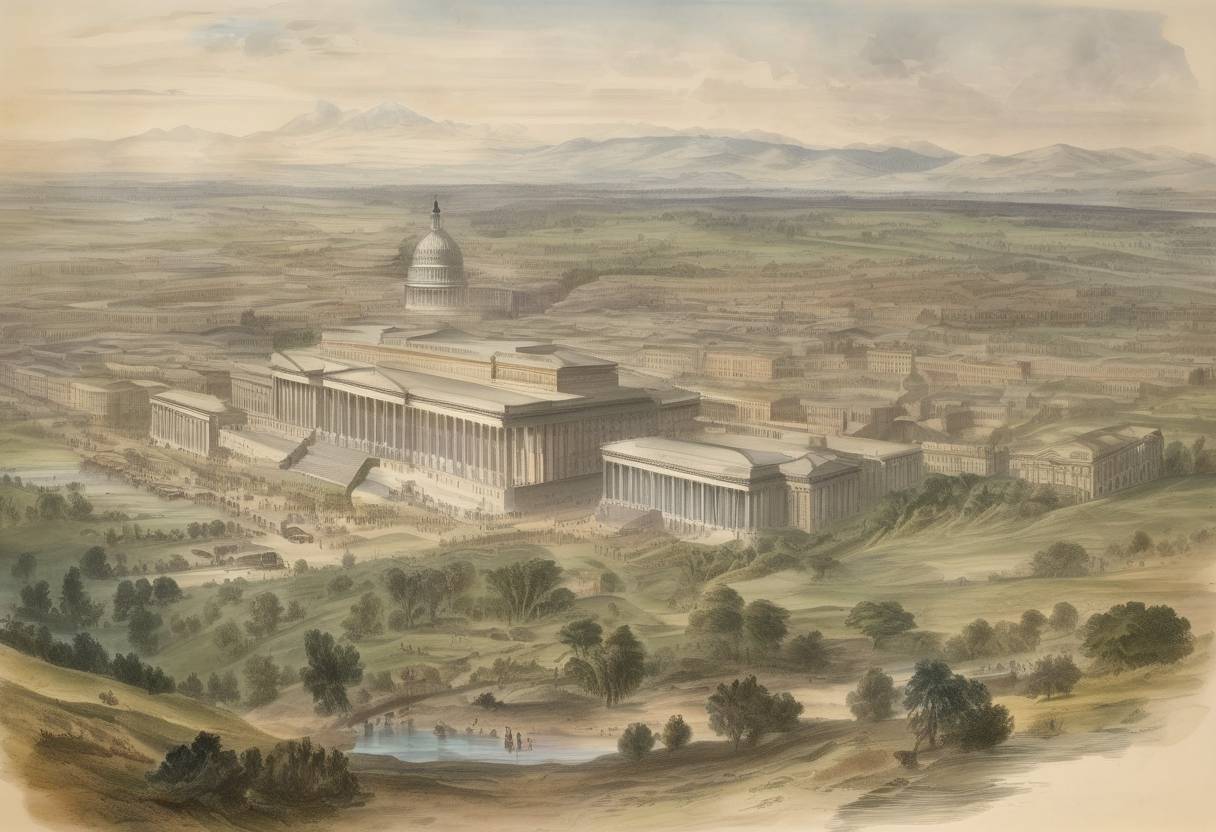
On September 9, 1850, California was admitted to the United States as the 31st state, a pivotal moment in American history that was part of the larger legislative package known as the Compromise of 1850. This event marked a significant development in the nation’s expansion and was deeply intertwined with the complex issues surrounding slavery and territorial governance.
The Mexican-American War (1846-1848): The war concluded with the Treaty of Guadalupe Hidalgo, which resulted in the U.S. acquiring vast territories, including present-day California.
The California Gold Rush (1848-1855): The discovery of gold at Sutter’s Mill in 1848 spurred a massive influx of settlers, dramatically increasing California’s population and economic importance.
The Question of Slavery: As new territories were acquired, the balance between free and slave states became a contentious issue. California’s potential admission as a free state threatened to upset this balance.
The Compromise of 1850 was a series of five legislative acts aimed at resolving the tensions between free and slave states. Key components included:
California’s Admission as a Free State: California was admitted to the Union as a free state, tipping the balance in favor of free states.
Territorial Status and Popular Sovereignty: The territories of New Mexico and Utah were organized with the question of slavery to be decided by popular sovereignty.
The Fugitive Slave Act: This act was strengthened, requiring citizens to assist in the recovery of fugitive slaves and denying alleged fugitives the right to a jury trial.
Abolition of the Slave Trade in Washington D.C.: The compromise included the abolition of the slave trade (but not slavery itself) in the nation’s capital.
Texas Boundary and Debt: Texas relinquished claims to parts of New Mexico in exchange for federal assumption of its debt.
Political Balance: California’s admission as a free state was a victory for abolitionists and those opposing the expansion of slavery, but it also intensified sectional tensions.
Prelude to Civil War: While the Compromise of 1850 temporarily eased tensions, it did not resolve the underlying conflicts over slavery, setting the stage for future confrontations leading to the Civil War.
Economic Growth: California’s statehood accelerated its economic development, driven by its burgeoning population and the wealth generated from the Gold Rush.
California’s admission to the Union was a landmark event that highlighted the nation’s growing pains as it expanded westward. It underscored the deep divisions over slavery and foreshadowed the turbulent decades to come.
Source: www.britannica.com