1693 · Sicily, Italy
A powerful earthquake struck Sicily, causing widespread destruction and loss of life.
March 9, 1976
The deadliest cable car accident in history occurred in Cavalese, Italy, when a cable car fell, killing 42 people.
Cavalese, Italy | N/A
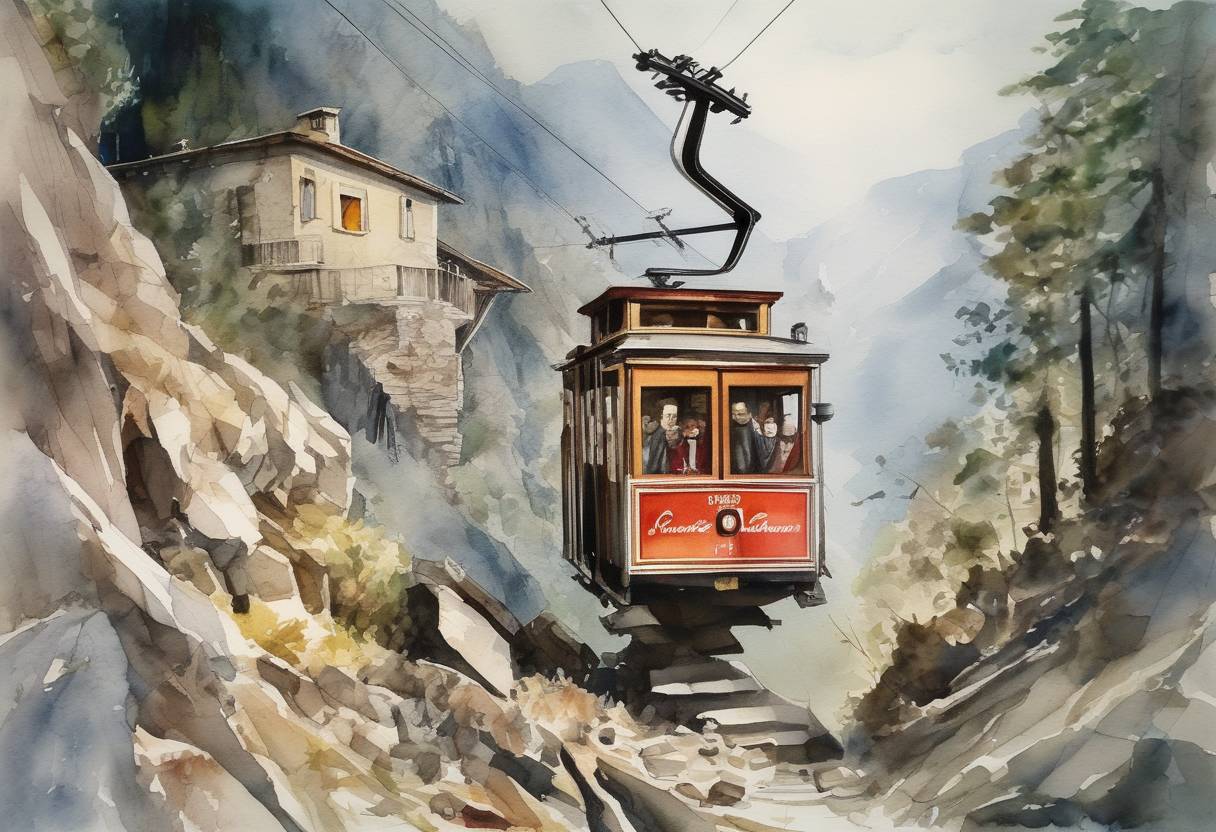
On March 9, 1976, a tragic accident occurred in Cavalese, a small town in the Dolomites of northern Italy, marking the deadliest cable car disaster in history. This catastrophic event resulted in the loss of 42 lives and left a profound impact on the region and the field of cable car safety.
Cavalese is a popular tourist destination, known for its picturesque landscapes and ski resorts. The cable car system, which was part of the local infrastructure, was designed to transport tourists and locals between the valley and the ski areas. The system was considered a vital part of the area’s tourism industry.
On that fateful day, a cable car carrying 43 passengers was ascending Mount Cermis. At approximately 4:30 PM, the cable car detached from its supporting cable and plummeted about 200 meters (approximately 650 feet) to the ground. The impact was devastating, resulting in the immediate death of 42 passengers. Only one person survived, albeit with serious injuries.
The investigation into the accident revealed that the disaster was caused by a combination of mechanical failure and human error. The main cable had snapped, and the emergency brake system, which should have prevented the car from falling, failed to engage. Maintenance issues and inadequate safety checks were cited as contributing factors.
The Cavalese cable car disaster led to widespread shock and mourning in Italy and beyond. It prompted a thorough review of cable car safety standards and regulations. The Italian government and international bodies took steps to enhance the safety protocols for cable car systems worldwide, including more rigorous maintenance schedules and improved emergency systems.
The disaster underscored the importance of stringent safety measures in public transportation systems, particularly those in challenging terrains like mountainous regions. It also highlighted the need for regular inspections and updates to infrastructure to prevent similar tragedies.
The Cavalese cable car disaster remains a somber reminder of the potential risks associated with cable car transportation. It serves as a case study in the importance of safety in engineering and the need for constant vigilance in the maintenance and operation of public transport systems. The lessons learned from this tragedy have contributed to safer cable car operations globally, ensuring that such a disaster is less likely to occur in the future.
Source: en.wikipedia.org