The 1932 Summer Olympics in Los Angeles
1932 · Los Angeles, California, USA
The 1932 Summer Olympics open in Los Angeles, California, marking the first time the Olympic Games are held in Los Angeles.
January 25, 1924
The first Winter Olympics, the I Olympic Winter Games, are inaugurated in Chamonix, France.
Chamonix, France | International Olympic Committee
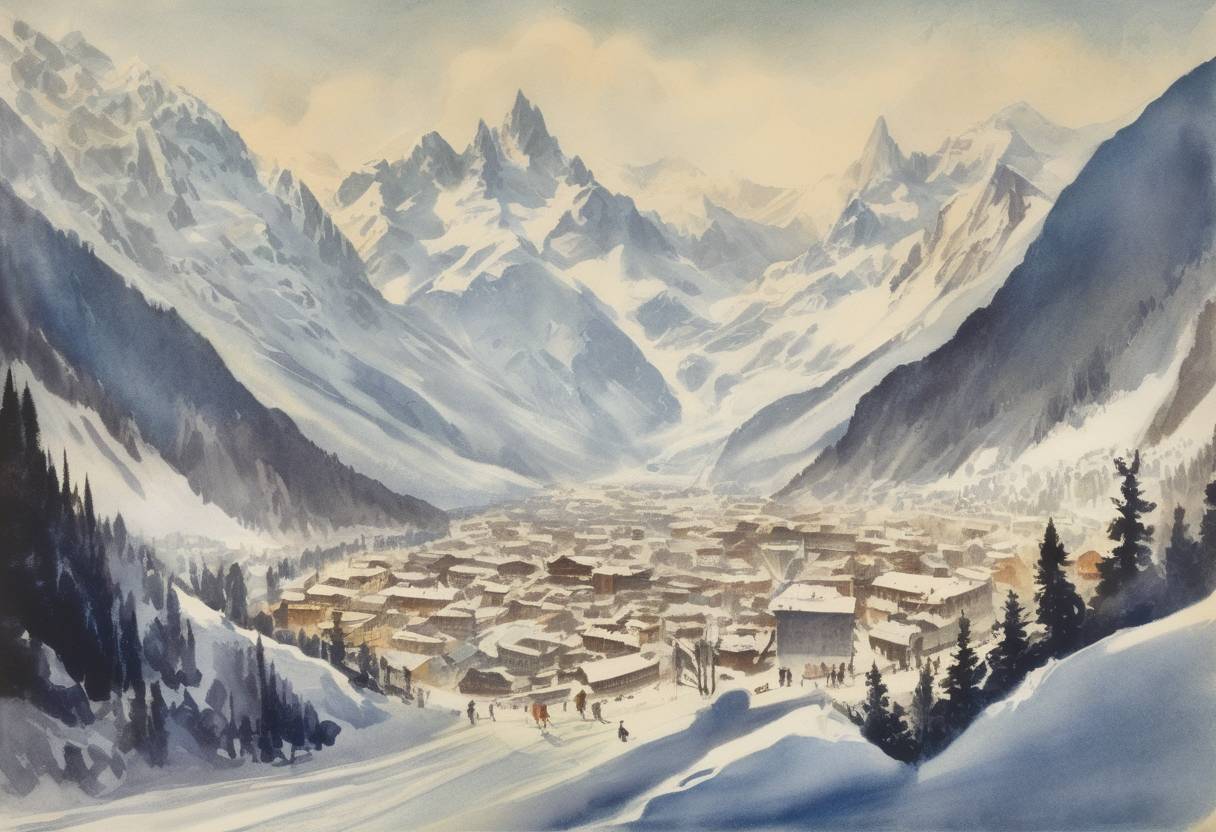
On January 25, 1924, the I Olympic Winter Games were inaugurated in Chamonix, France, marking a significant milestone in the history of international sports. This event laid the foundation for what would become a celebrated global tradition, showcasing winter sports and athletes from around the world.
The Olympic Movement: The modern Olympic Games, revived by Pierre de Coubertin in 1896, initially focused on summer sports. However, the growing popularity of winter sports in the early 20th century led to the consideration of a separate event dedicated to these disciplines.
Preceding Events: Prior to 1924, winter sports were included in the Summer Olympics. For instance, figure skating was part of the 1908 and 1920 Games. The success of these events highlighted the potential for a dedicated winter sports competition.
Decision and Organization: The International Olympic Committee (IOC) decided in 1921 to organize an “International Winter Sports Week” in Chamonix, under the patronage of the IOC. This event was later retroactively designated as the first Winter Olympics.
Location: Chamonix, a picturesque town in the French Alps, was chosen for its ideal winter sports conditions and facilities, making it a fitting host for the inaugural games.
Duration: The games were held from January 25 to February 5, 1924.
Participating Nations: A total of 16 nations participated, with approximately 258 athletes competing.
Sports and Events: The inaugural games featured six sports, comprising 16 events. These included:
Notable Achievements:
Legacy: The success of the Chamonix Games established the Winter Olympics as a permanent fixture in the Olympic movement, with subsequent games held every four years (except during World War II).
Cultural Impact: The Winter Olympics provided a platform for winter sports to gain international recognition and popularity, encouraging the development of winter sports infrastructure and training programs worldwide.
Evolution: Over the decades, the Winter Olympics have evolved, expanding in size and scope, with new sports and events added to reflect the changing landscape of winter sports.
The inauguration of the Winter Olympics in Chamonix in 1924 was a pivotal moment in sports history, celebrating the spirit of competition and international camaraderie in the realm of winter sports.
Source: en.wikipedia.org