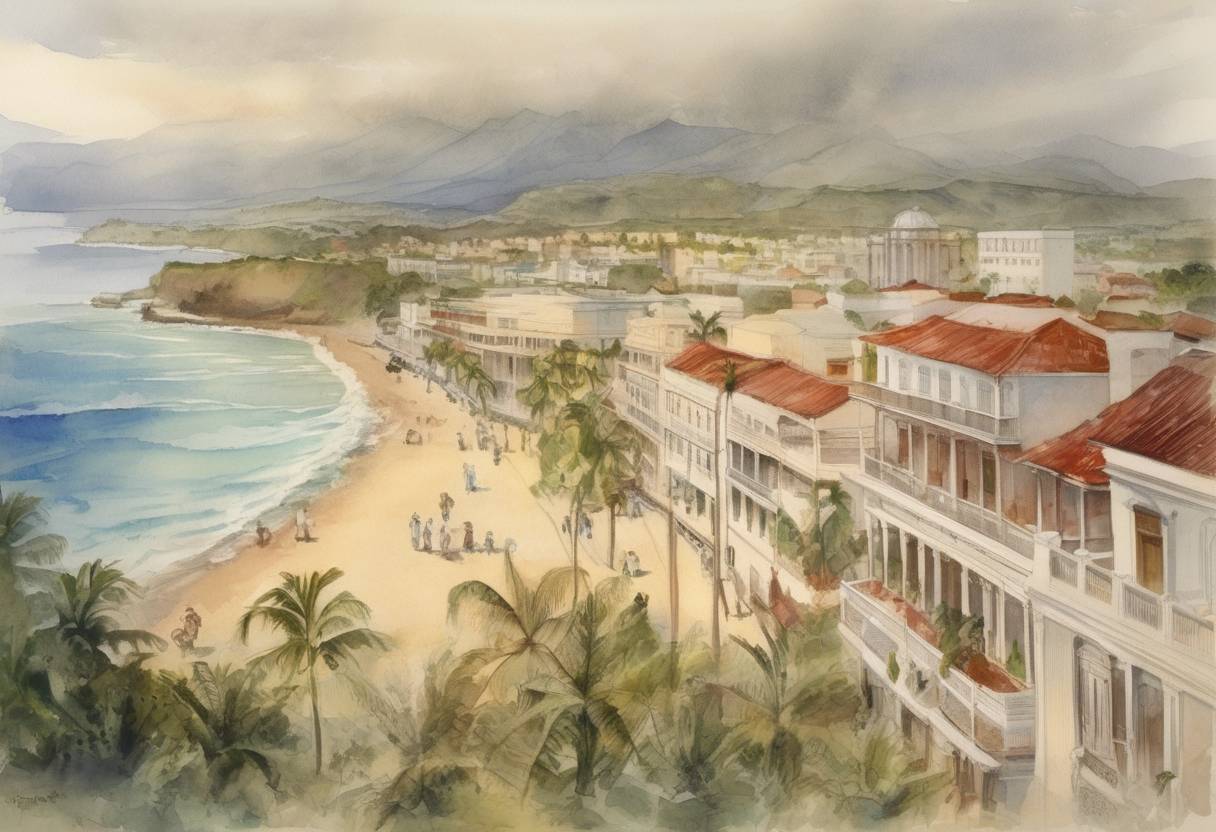
The United States Takes Possession of Puerto Rico: October 18, 1898
On October 18, 1898, the United States formally took possession of Puerto Rico from Spain, marking a significant moment in the aftermath of the Spanish-American War. This transfer of control was part of the broader Treaty of Paris, which was signed on December 10, 1898, and officially ended the conflict between the United States and Spain.
Context and Background
The Spanish-American War, which lasted from April to August 1898, was primarily fought over the issue of Cuban independence from Spain. However, the conflict quickly expanded to include other Spanish territories, including Puerto Rico, the Philippines, and Guam. The war was fueled by a combination of American support for Cuban independence, sensationalist journalism (often referred to as “yellow journalism”), and the mysterious explosion of the USS Maine in Havana Harbor.
Key Events Leading to the Transfer
Military Campaigns: During the war, the United States launched a military campaign in Puerto Rico. American forces, led by General Nelson A. Miles, landed on the island on July 25, 1898, encountering relatively little resistance from Spanish troops.
Armistice and Treaty Negotiations: An armistice was signed on August 12, 1898, effectively ending hostilities. The subsequent Treaty of Paris negotiations led to Spain relinquishing its claims to Cuba and ceding Puerto Rico, Guam, and the Philippines to the United States.
The Transfer of Power
On October 18, 1898, the formal transfer of power took place in the capital city of San Juan. American troops raised the United States flag over the island, symbolizing the change in sovereignty. This event marked the beginning of Puerto Rico’s status as a territory of the United States.
Aftermath and Consequences
Political Status: Puerto Rico’s political status has been a subject of ongoing debate and evolution. Initially, the island was governed by military rule, but the Foraker Act of 1900 established a civilian government. Puerto Ricans were granted U.S. citizenship in 1917 through the Jones-Shafroth Act.
Cultural and Economic Impact: The change in sovereignty brought significant cultural and economic shifts. The United States invested in infrastructure and education, but the island also faced challenges, including economic dependency and debates over cultural identity.
Modern Implications: Puerto Rico remains an unincorporated territory of the United States, with discussions about its future status—whether statehood, independence, or maintaining the current territorial arrangement—continuing to this day.
The transfer of Puerto Rico to the United States on October 18, 1898, was a pivotal moment in the island’s history, setting the stage for its complex relationship with the United States that continues to evolve over a century later.