1831 · Tuscaloosa, United States
The University of Alabama was founded, becoming the state's first public college and one of the oldest public universities in the United States.
April 15, 1817
The first American school for the deaf, the American School for the Deaf, was founded by Thomas Hopkins Gallaudet, Dr. Mason Cogswell, and Laurent Clerc in Hartford, Connecticut.
Hartford, United States | American School for the Deaf
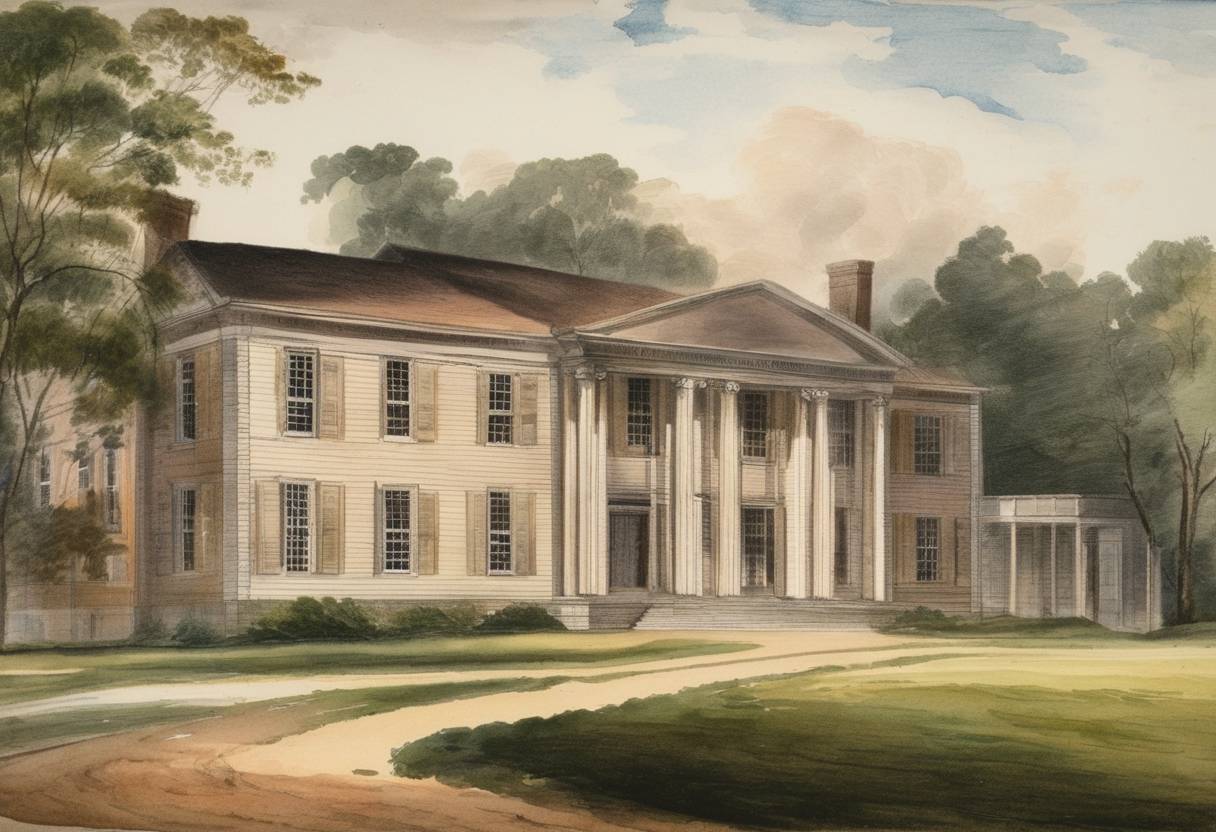
On April 15, 1817, the American School for the Deaf was established in Hartford, Connecticut, marking a pivotal moment in the history of education for the deaf in the United States. This institution holds the distinction of being the first permanent school for the deaf in the country.
The school was founded through the collaborative efforts of Thomas Hopkins Gallaudet, Dr. Mason Cogswell, and Laurent Clerc. Each of these individuals brought crucial contributions to the establishment and success of the school:
Thomas Hopkins Gallaudet: An educator from Connecticut who was inspired to establish the school after meeting Alice Cogswell, a young deaf girl and the daughter of Dr. Mason Cogswell. Gallaudet traveled to Europe to learn about deaf education systems before returning to the U.S. to co-found the school.
Dr. Mason Cogswell: A prominent Hartford physician whose daughter Alice was deaf. Motivated by a personal commitment to her education, Dr. Cogswell was a key figure in rallying community support and resources for the creation of the school.
Laurent Clerc: A French deaf educator and accomplished sign language teacher who accompanied Gallaudet back to the U.S. from Paris. Clerc played a critical role in teaching and developing the school’s curriculum, introducing French Sign Language, which heavily influenced American Sign Language (ASL).
The founding of the American School for the Deaf was a groundbreaking development in the field of special education. It served as a model for subsequent schools for the deaf throughout the United States, spreading awareness about the educational needs and potential of deaf individuals.
Curriculum and Methodology: The school utilized a combination of manual communication methods, drawing heavily from French Sign Language. This approach fostered an inclusive environment and laid the foundation for the development of ASL.
Social and Educational Reform: The establishment of the school spearheaded a broader movement towards improving education for people with disabilities, emphasizing the importance of accessibility and tailored educational techniques.
The school continues to operate today, maintaining its pivotal role in the community and the broader context of deaf education in the United States, and commemorating the legacy of its founders.
Source: en.wikipedia.org