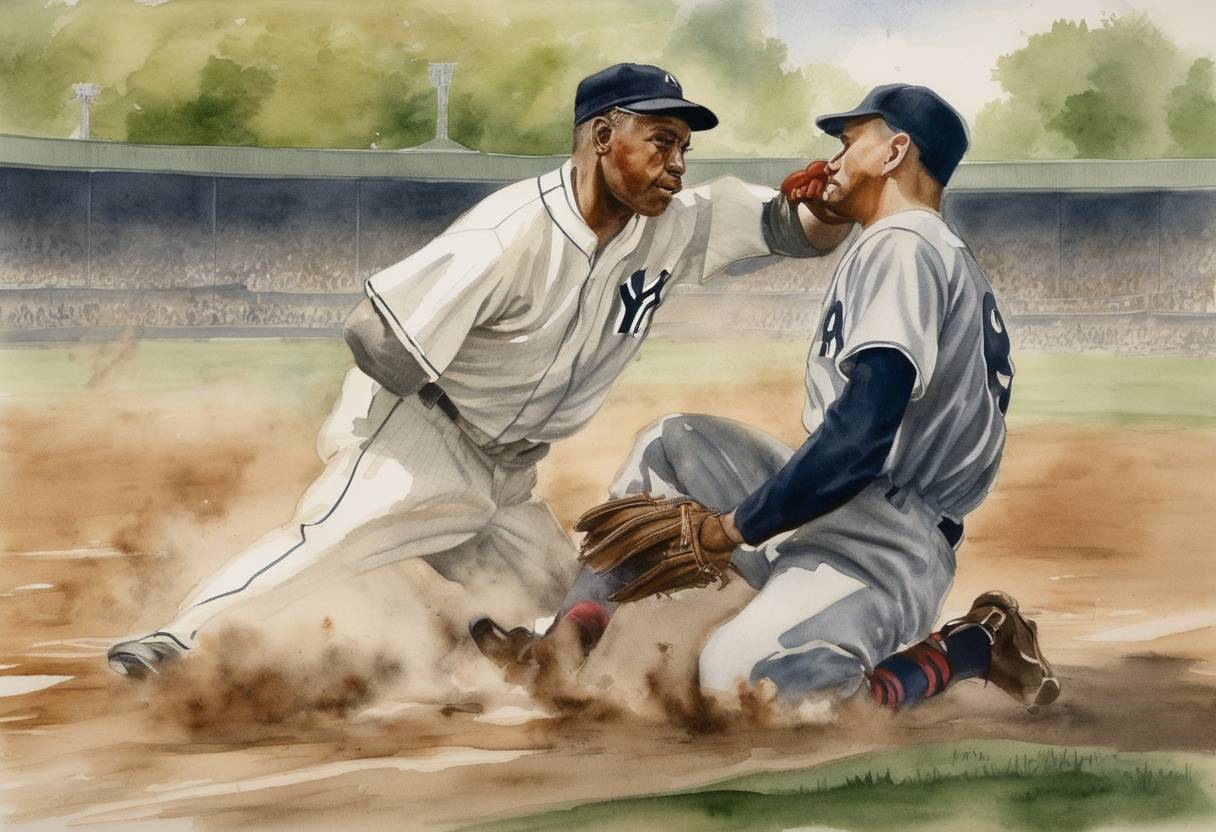
The Ray Chapman Incident: August 16, 1920
On August 16, 1920, Ray Chapman, a shortstop for the Cleveland Indians, sustained a fatal injury that remains the only death directly resulting from an on-field incident in Major League Baseball history. This tragic event occurred during a game against the New York Yankees at the Polo Grounds in New York City.
The Incident
Ray Chapman was facing Yankees pitcher Carl Mays, known for his submarine pitching style. During the fifth inning, Mays delivered a pitch that struck Chapman in the temple. At the time, baseballs were often used until they became dirty and difficult to see, especially in evening games without adequate lighting. Chapman’s inability to avoid the pitch was attributed partly to these conditions. Additionally, Mays’ unorthodox delivery made the ball’s trajectory particularly difficult for batters to predict.
Following the impact, Chapman collapsed at home plate but managed to walk off the field with assistance. He was taken to the hospital, where surgeons determined that the impact had fractured his skull. Despite surgical efforts, Chapman’s condition deteriorated, and he passed away early the next day, August 17, 1920.
Broader Historical Context and Consequences
The death of Ray Chapman profoundly impacted the baseball community. It led to increased scrutiny of pitcher behavior and triggered discussions about player safety.
Changes in the Game
- Rule Modifications: In response to the tragedy, Major League Baseball introduced rules requiring the replacement of dirty or damaged balls with cleaner versions during gameplay. This practice evolved into today’s standards where balls are frequently replaced.
- Introduction of Helmets: While protective batting helmets were not immediately introduced, Chapman’s death eventually contributed to their adoption over subsequent decades, as concerns over player safety mounted.
Legacy
Ray Chapman’s death highlighted the inherent dangers of baseball and the need for advancements in player safety. His death is a reminder of the vulnerabilities athletes face and serves as a pivotal moment influencing key protective measures in the sport. His legacy persists through annual commemorations by the Cleveland franchise, ensuring his story remains a significant part of baseball history.