Prince Philip, Duke of Edinburgh, Passes Away at 99
2021 · Windsor, United Kingdom
Prince Philip, Duke of Edinburgh, passed away at the age of 99.
April 10, 2021
The burial of Prince Philip, Duke of Edinburgh, took place following his death on April 9th. Due to the COVID-19 pandemic, the ceremony was small, attended by close family members and adhering to health guidelines. The Duke of Edinburgh was interred in the Royal Vault of St George's Chapel at Windsor Castle.
Windsor, United Kingdom | British Royal Family
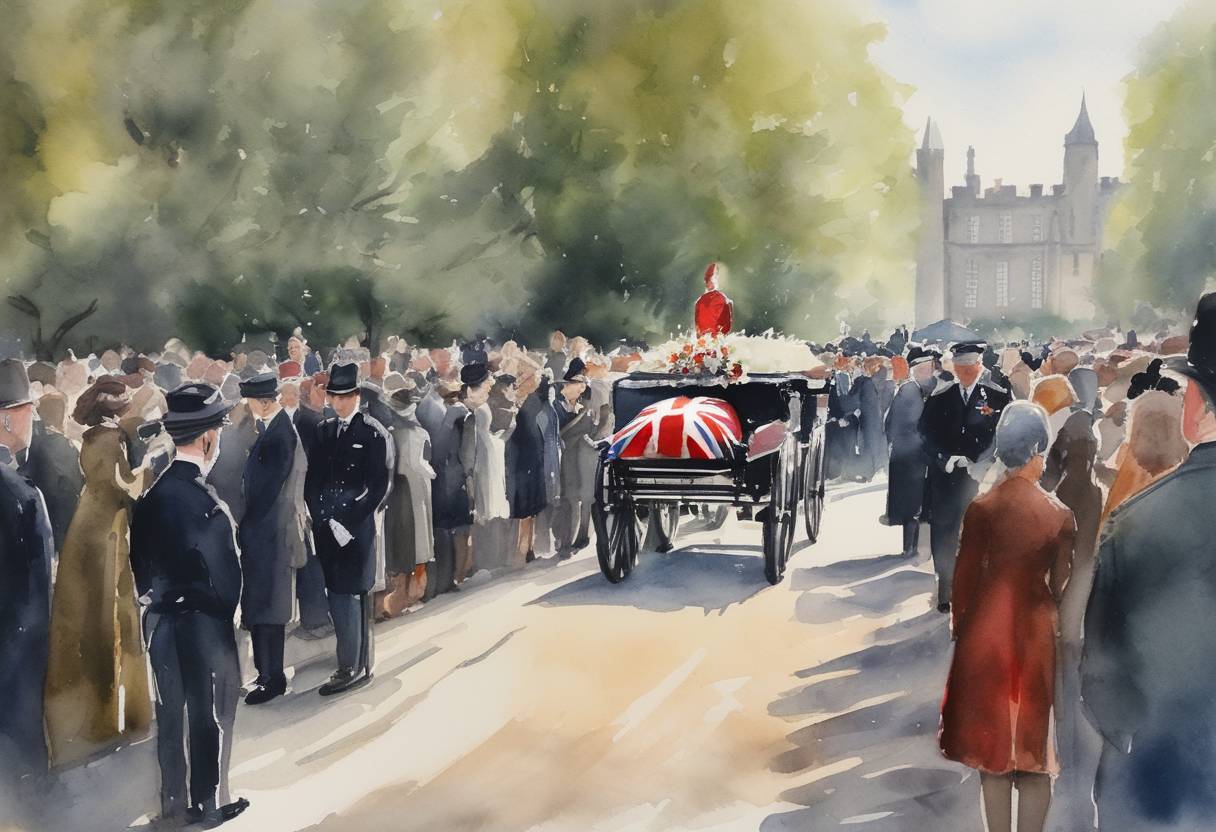
Prince Philip, Duke of Edinburgh, husband of Queen Elizabeth II, passed away on April 9, 2021, at the age of 99. His long service to the British monarchy and significant contributions to various charitable causes made him a well-regarded public figure.
The funeral for Prince Philip was conducted in accordance with his wishes. It was a ceremonial royal funeral rather than a state funeral, consistent with custom for consorts of the sovereign.
The ceremony was significantly influenced by the ongoing COVID-19 pandemic. Health and safety guidelines mandated:
Prince Philip was interred in the Royal Vault of St George’s Chapel. This marked a temporary resting place until he is moved to rest beside Queen Elizabeth II following her passing.
The funeral was a historic event, reflecting Prince Philip’s military service, his role as consort, and his influence on British public life. Despite the restrictions, it highlighted his contributions and the royal family’s public service ethos.
Source: www.bbc.com