Gulf of Tonkin Resolution Passed by U.S. Congress
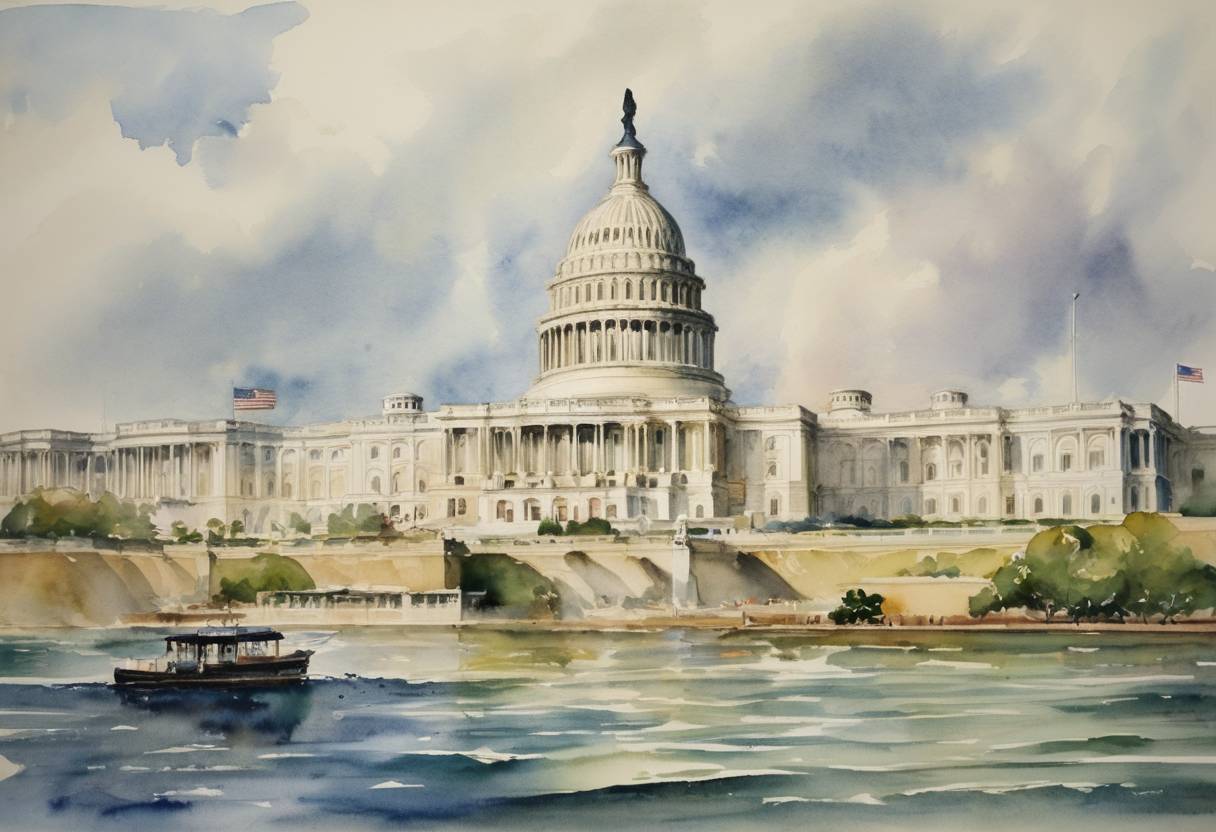
On August 7, 1964, the United States Congress passed the Gulf of Tonkin Resolution, a significant legislative action that marked a pivotal escalation in U.S. involvement in the Vietnam War. This resolution granted President Lyndon B. Johnson broad military powers in Southeast Asia without an official declaration of war.
Background
The context for the resolution was an alleged attack on two U.S. naval destroyers, the USS Maddox and the USS Turner Joy, by North Vietnamese forces in the Gulf of Tonkin on August 2 and August 4, 1964. These incidents were reported as unprovoked attacks while the destroyers conducted electronic intelligence-gathering missions in international waters.
Key Provisions
The resolution, formally titled “Joint Resolution to Promote the Maintenance of International Peace and Security in Southeast Asia,” authorized the President “to take all necessary measures to repel any armed attack against the forces of the United States and to prevent further aggression.” This essentially permitted the escalation of military presence and actions in Vietnam.
Congressional Action
Presented swiftly in the context of national security concerns, the resolution received overwhelming support in Congress, passing unanimously in the House of Representatives (416-0) and with only two dissenting votes in the Senate (88-2).
Consequences
The resolution provided the legal basis for the United States’ expanded military engagement in Vietnam, leading to the deployment of large numbers of U.S. troops and extensive bombing campaigns. It effectively allowed President Johnson to conduct military operations without a formal declaration of war, significantly altering the course of the Vietnam conflict.
Historical Impact
The Gulf of Tonkin Resolution exemplified the broad war-making powers Congress could grant the President, raising concerns over executive authority and its implications for democratic processes. The resolution’s impacts remained significant as U.S. casualties mounted and public opinion increasingly turned against the war, prompting debates over its legitimacy and the executive’s military powers. The resolution was eventually repealed in 1971 amidst growing anti-war sentiment and skepticism about the initial incidents that spurred its passage.