State of Emergency in Pakistan - November 3, 2007
2007 · Islamabad, Pakistan
Pervez Musharraf, the President of Pakistan, declared a state of emergency, suspending the constitution and dismissing the Chief Justice of the Supreme Court.
March 22, 1956
Pakistan became the first Islamic republic. The country declared itself the Islamic Republic of Pakistan and adopted a new constitution, proclaiming itself a federal parliamentary republic.
Rawalpindi, Pakistan | Government of Pakistan
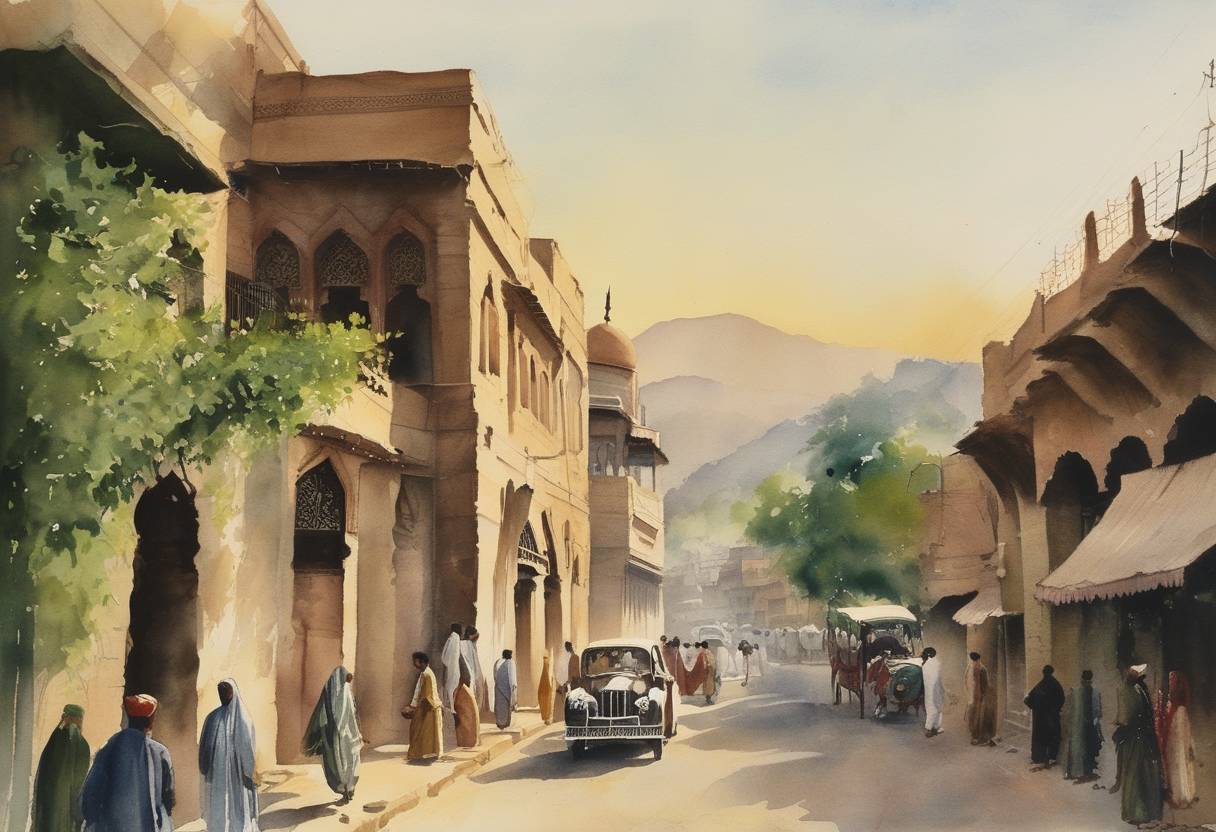
On March 23, 1956, Pakistan became the first nation in the world to declare itself an Islamic republic. This momentous occasion marked a significant transition in the country’s political and constitutional framework, highlighting the intertwining of Islam with governance.
Prior to becoming an Islamic republic, Pakistan had functioned as a dominion within the British Commonwealth since gaining independence from British rule on August 14, 1947. The country was created to serve as a separate homeland for Muslims in the Indian subcontinent, following the partition of India.
Following independence, the need to draft a new constitution that reflected Islamic principles became increasingly evident. Until a new constitution was adopted, Pakistan operated under the Government of India Act 1935, adapted as the Provisional Constitution.
The Constitution promulgated on March 23, 1956, declared Pakistan a federal parliamentary republic. Key characteristics included:
The adoption of the 1956 Constitution was a pivotal step in solidifying Pakistan’s identity as an Islamic state and attempting to balance democratic governance with religious principles. Despite its ambitions, the constitution faced challenges, including political instability, leading to its abrogation in 1958.
The designation of Pakistan as an Islamic republic set a precedent for other Muslim-majority nations considering similar alignments of religious identity with political and legal frameworks. This decision remains a defining characteristic of Pakistan’s national identity and continues to influence its legal and social policies.
Source: www.britannica.com